
Onderwijs
Khanmigo
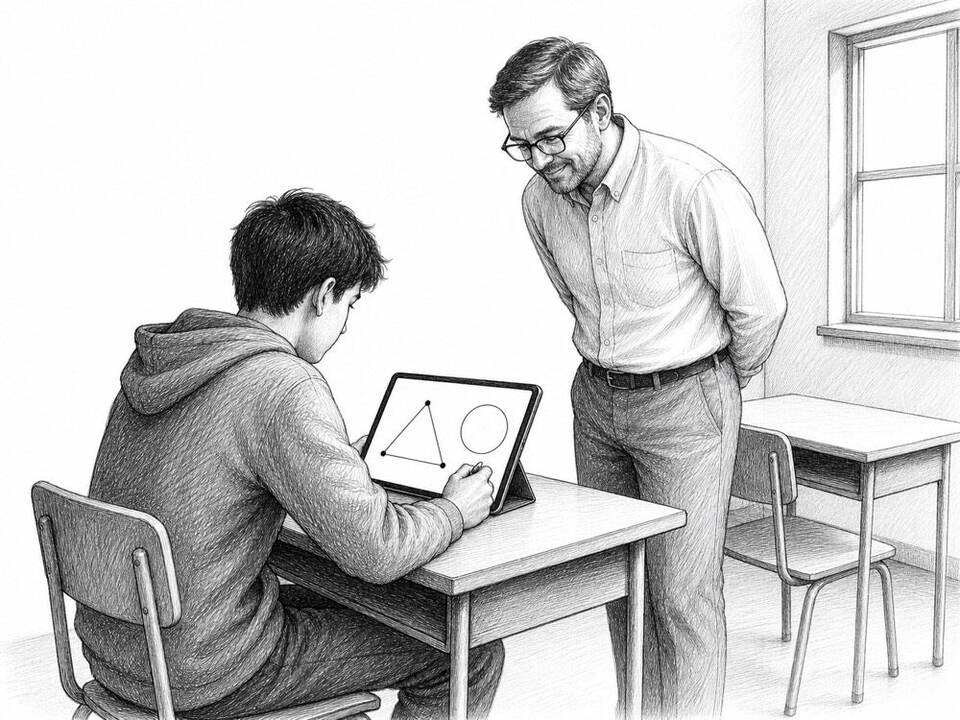
AI tutor within Khan Academy that guides students through problems with questions and intermediate steps.
Source: AI For Good
Idea box
Explore AI-for-good cases from AI For Good. Browse freely — sign in only when you start from a case.
157 cases
AI tutor within Khan Academy that guides students through problems with questions and intermediate steps.
Source: AI For Good
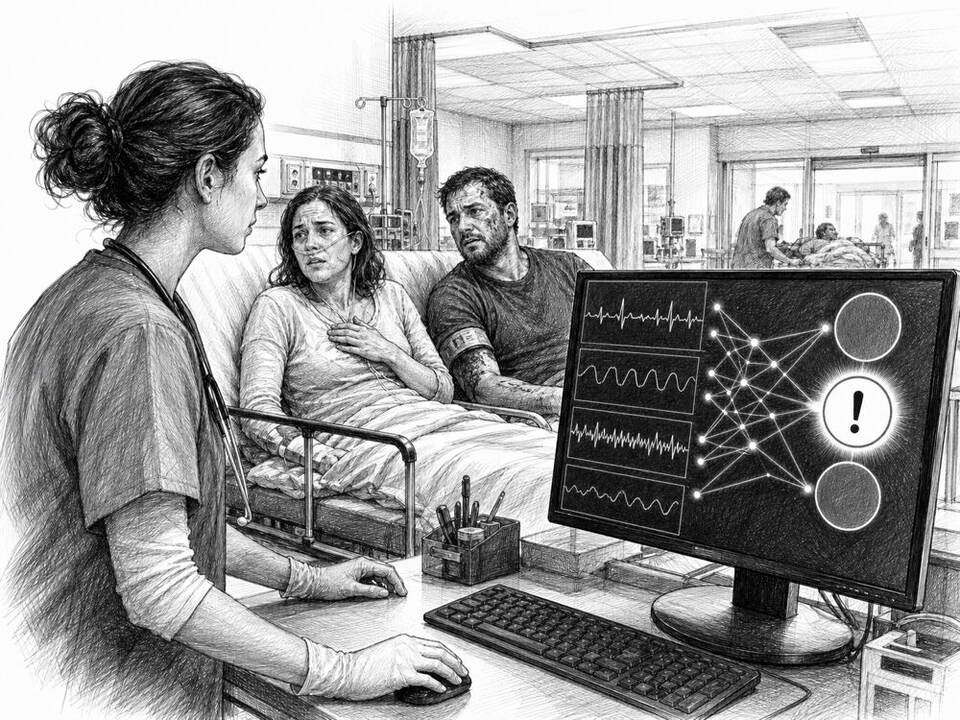
Decision support that analyzes data in the emergency department and warns nurses of possible under- or over-triage.
Source: AI For Good
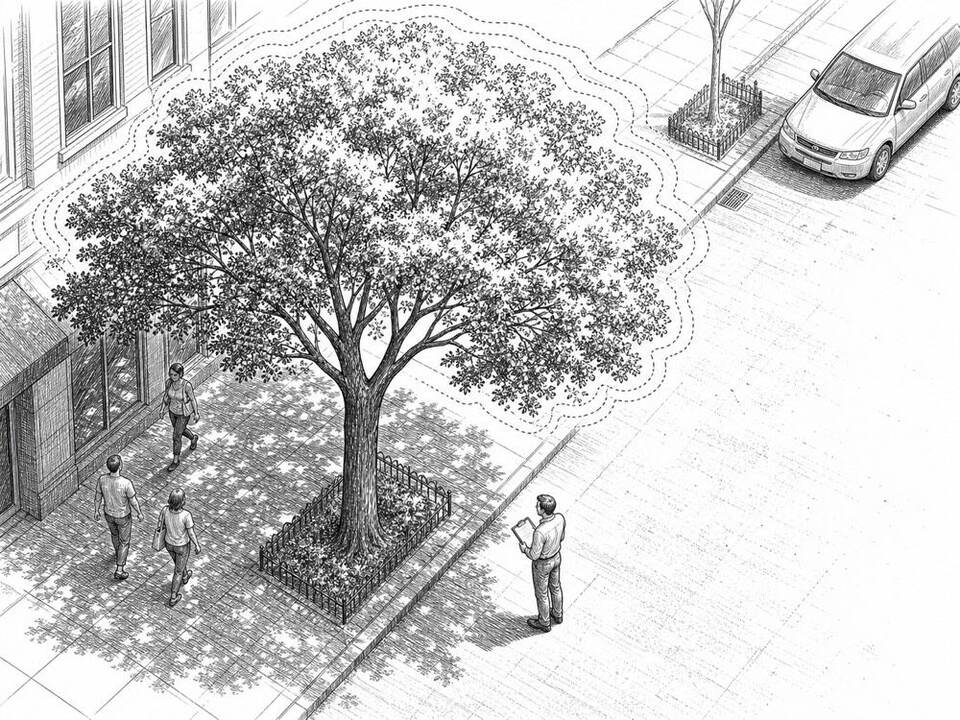
AI maps tree canopy from aerial imagery so cities can target greening in neighborhoods with little shade.
Source: AI For Good
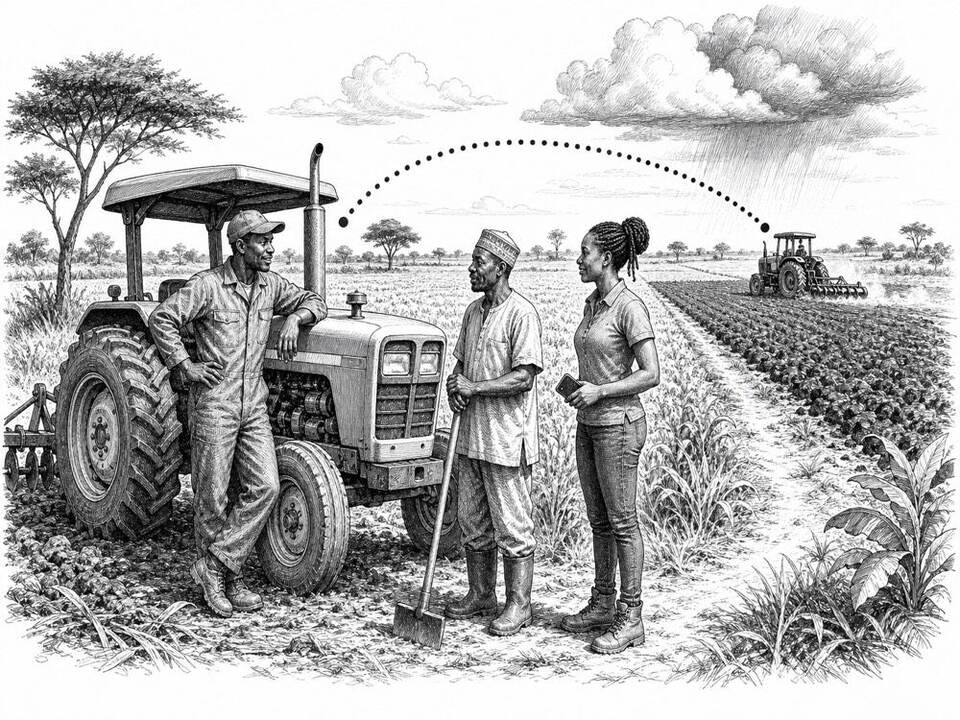
A platform that connects smallholder farmers in Africa with available tractors and uses data to deploy machinery more effectively.
Source: AI For Good
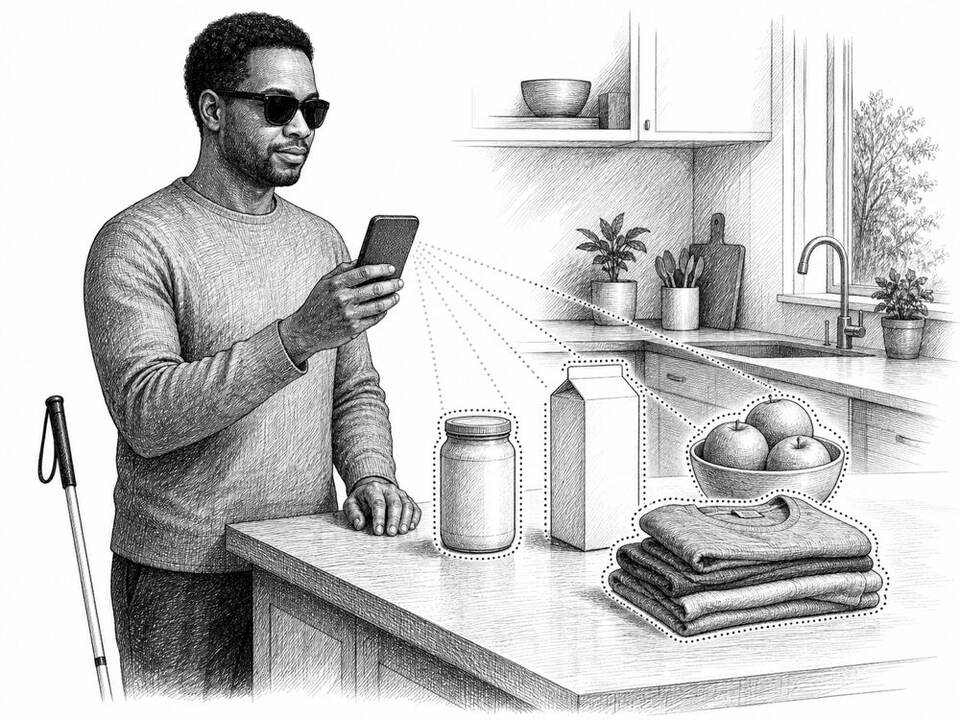
A visual AI assistant that helps blind and visually impaired people understand photos and ask follow-up questions.
Source: AI For Good
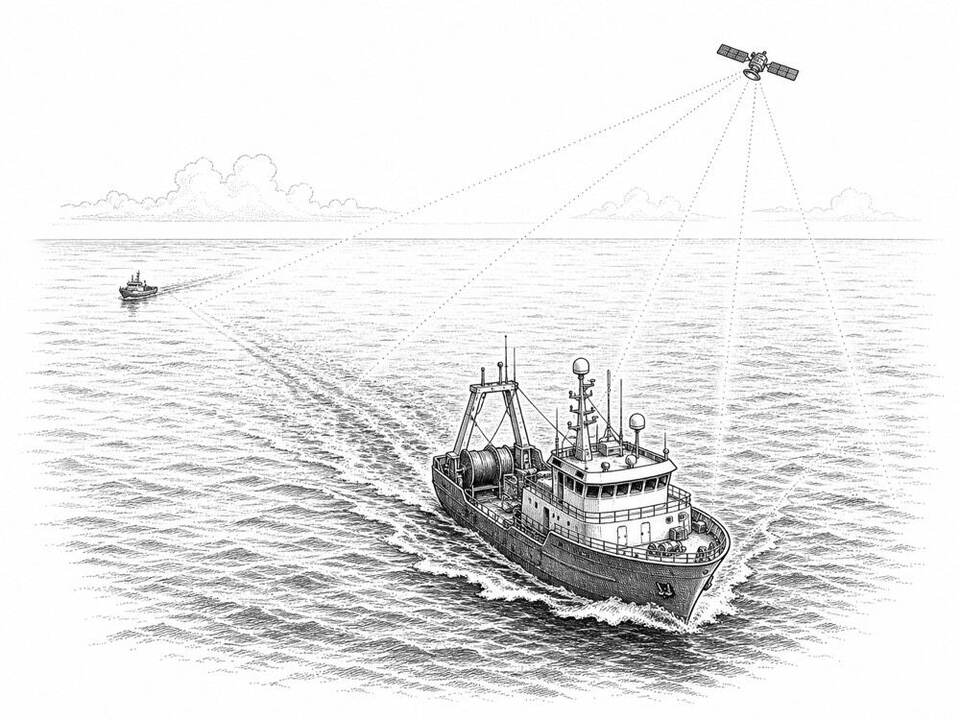
A public platform that converts satellite and ship data with machine learning into a world map of human activity at sea.
Source: AI For Good
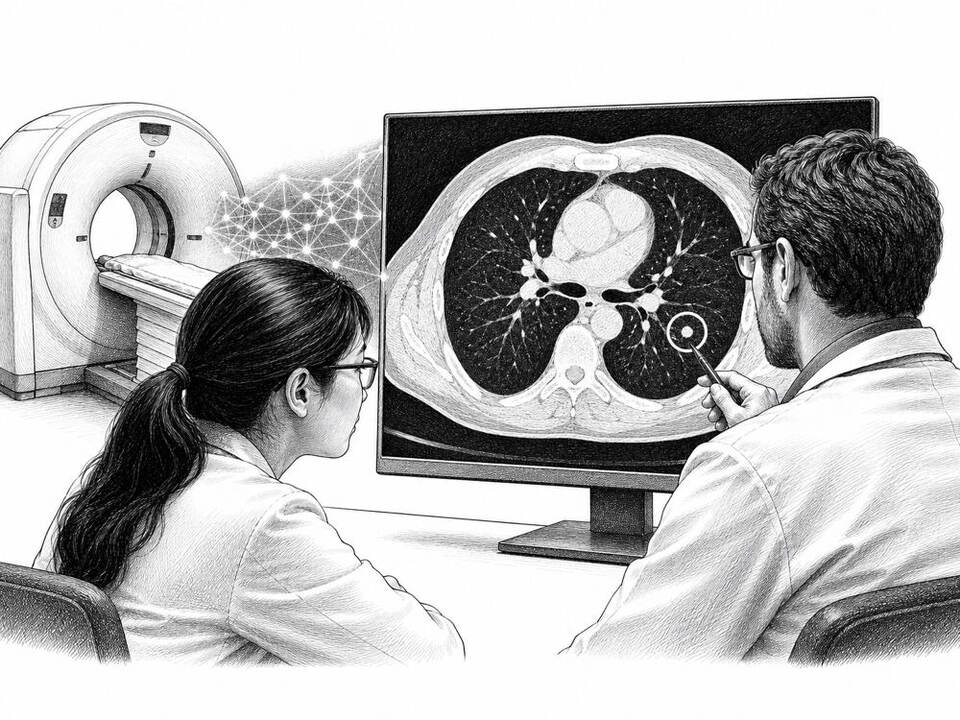
AI that analyses CT scans of the lungs and flags suspicious lung nodules for the radiologist.
Source: AI For Good
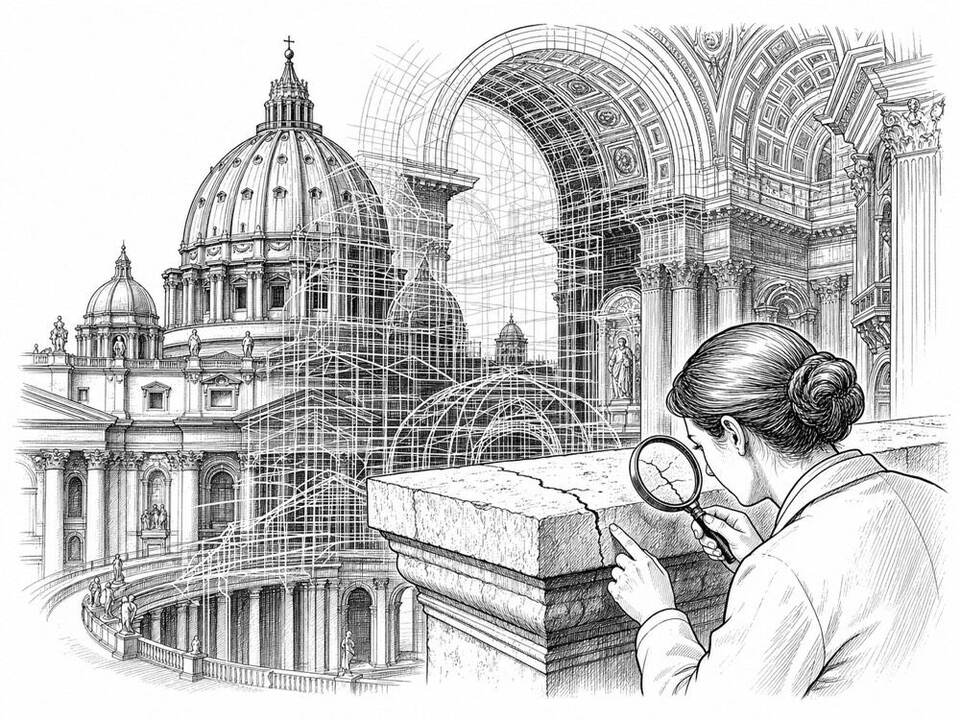
AI helped build a precise digital twin of the St. Peter's Basilica and map areas of damage.
Source: AI For Good
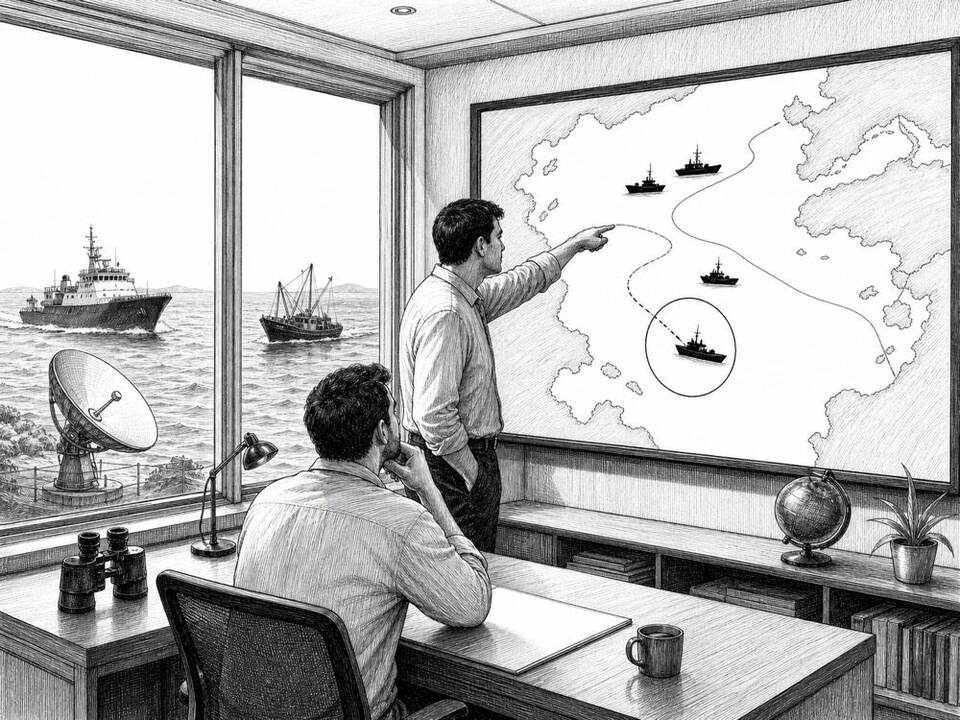
Analysis platform that uses satellite and ship data to alert regulators about possible illegal or unreported fishing.
Source: AI For Good
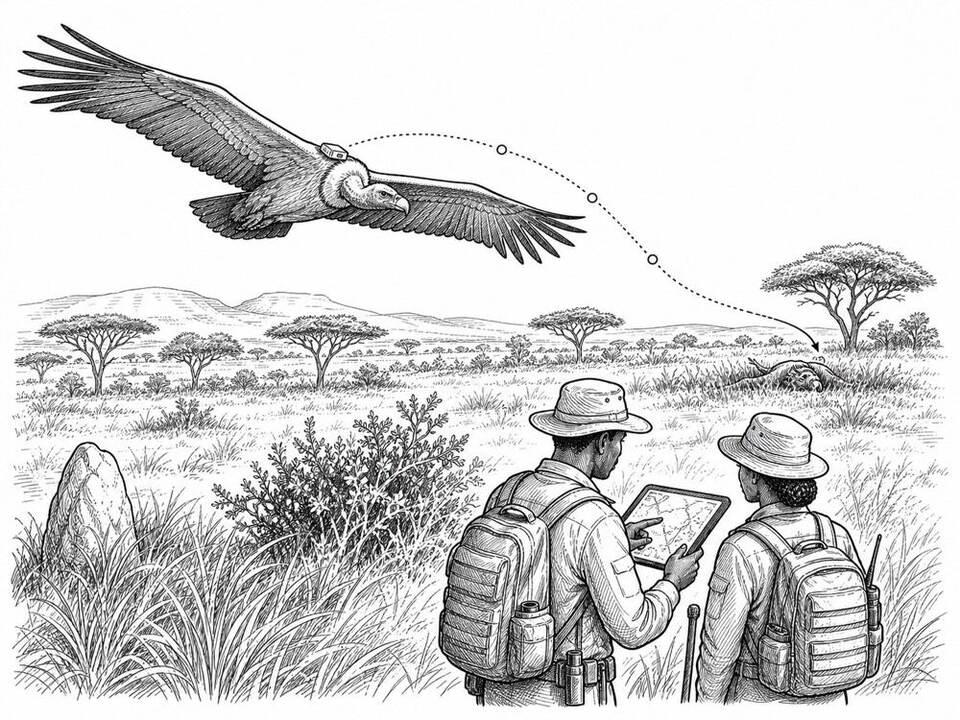
Vultures equipped with lightweight transmitters and machine learning help locate animal carcasses and possible poisoning incidents early.
Source: AI For Good
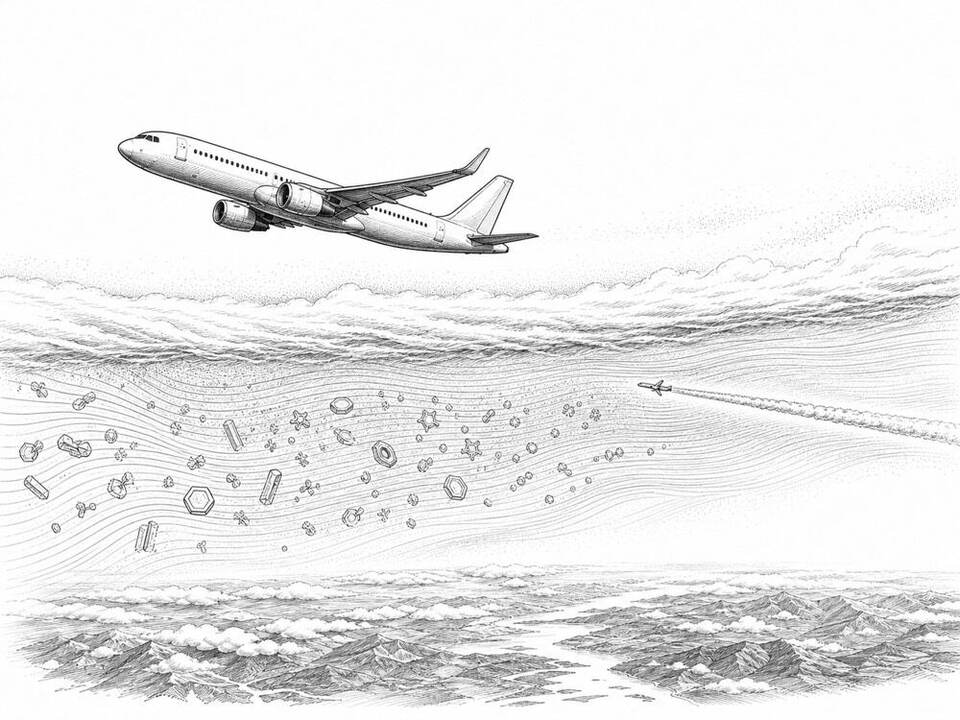
AI-driven route advice that helps pilots avoid climate-warming contrails through small altitude adjustments.
Source: AI For Good
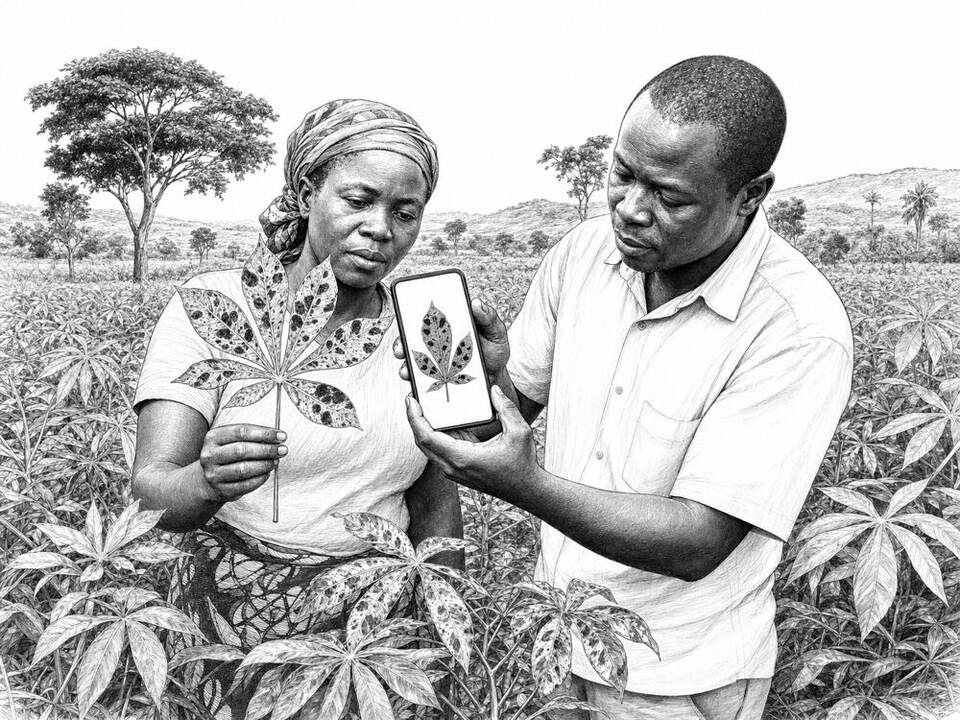
A free smartphone app that uses image recognition to identify crop diseases and pests, even without an internet connection.
Source: AI For Good
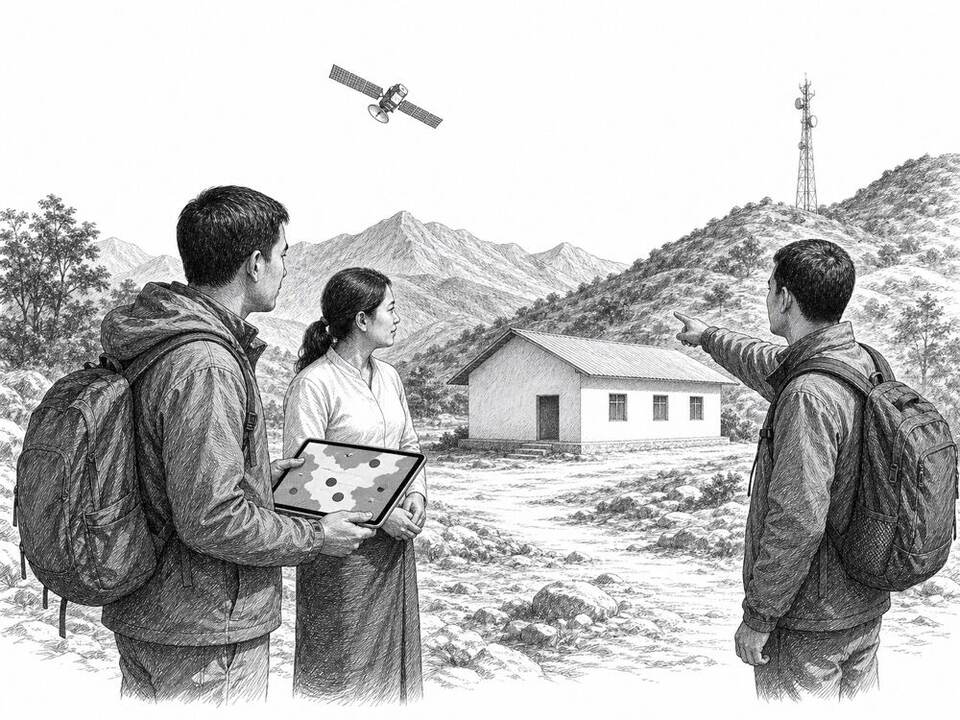
A UNICEF and ITU initiative that maps schools and helps connect them to the internet.
Source: AI For Good
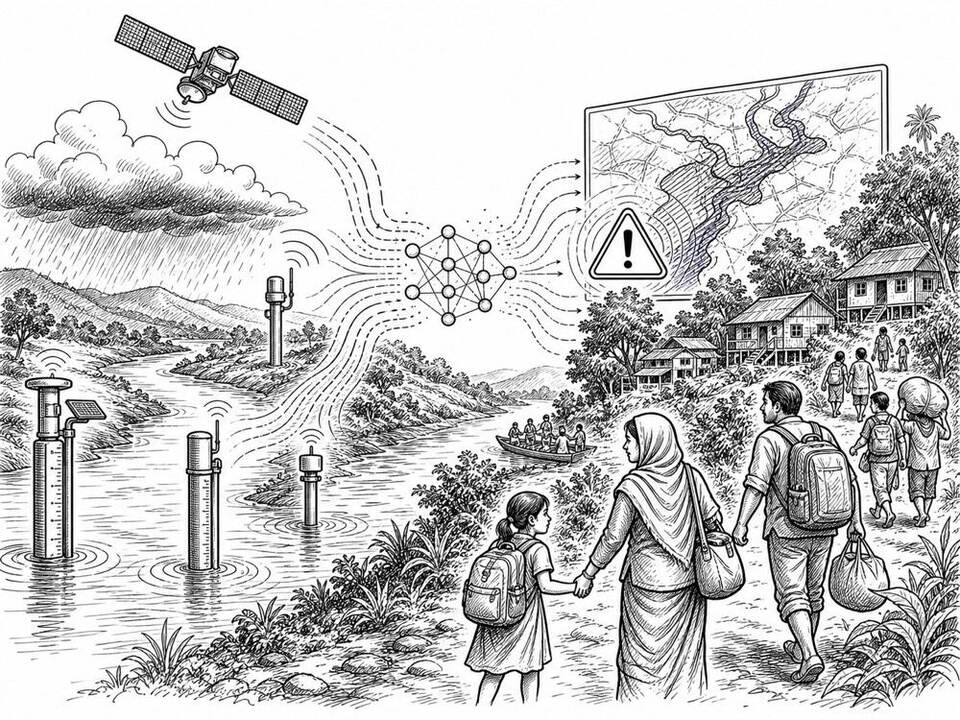
A public warning platform that uses AI to predict river flooding up to days in advance, even in many areas with little monitoring infrastructure.
Source: AI For Good
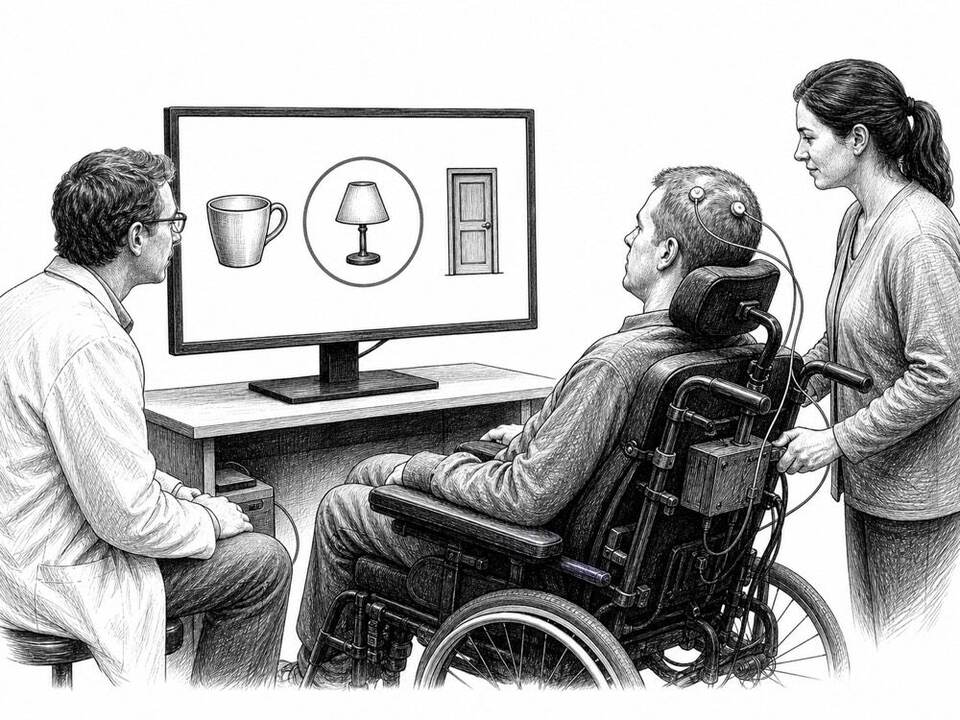
An experimental brain implant designed to help people with severe paralysis operate a computer and communicate.
Source: AI For Good
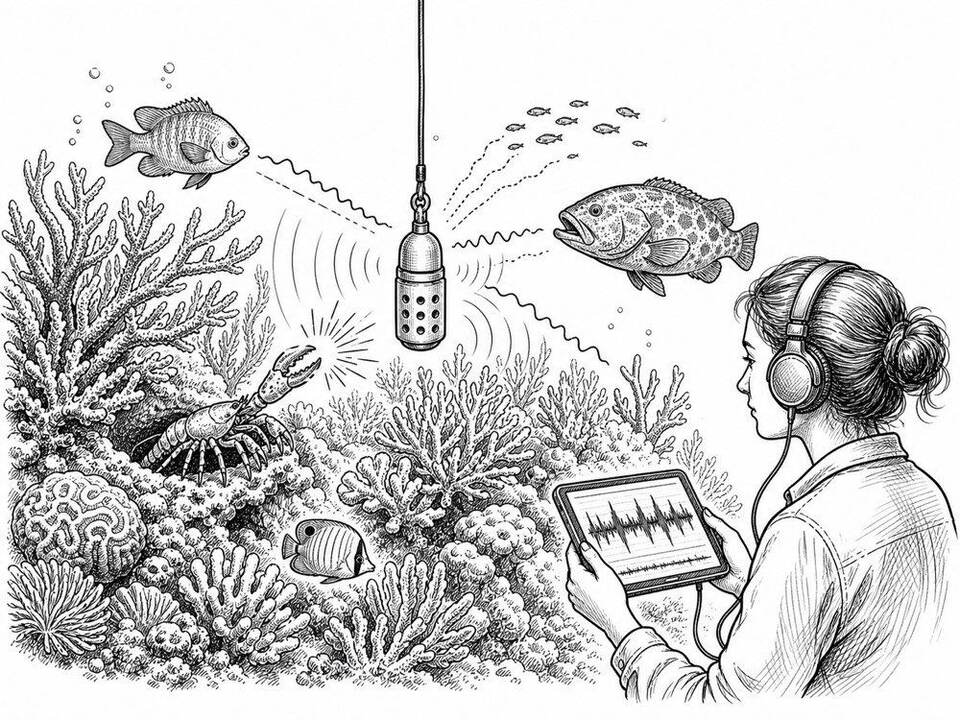
An audio model makes thousands of hours of coral reef sound searchable faster for ecological research.
Source: AI For Good
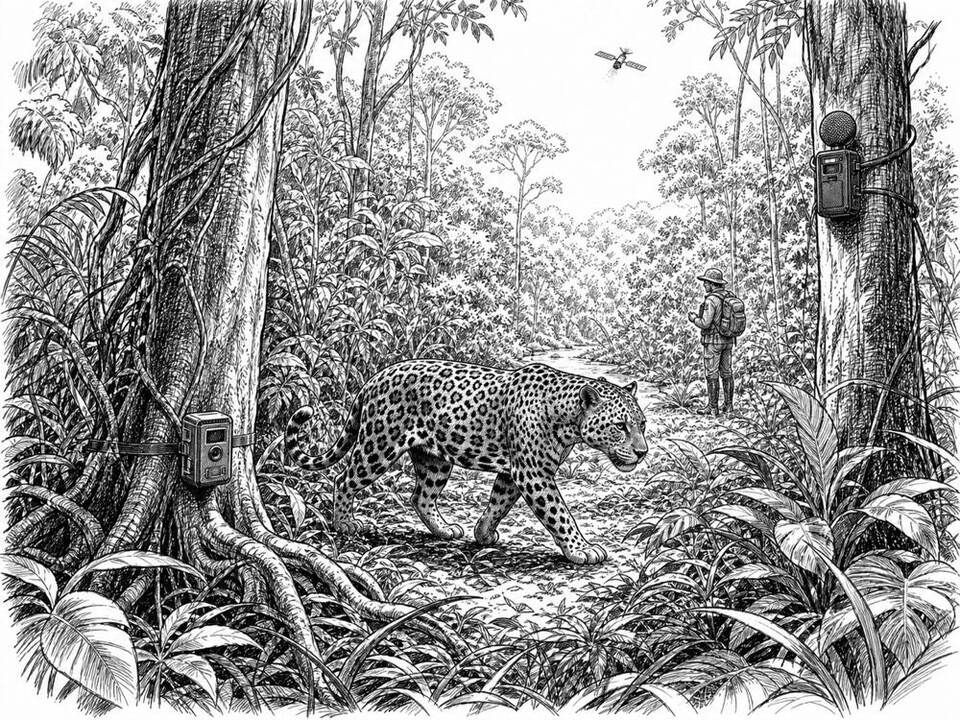
AI analyses satellite imagery, camera trap footage and rainforest sound to make changes in Colombia's Amazon faster visible.
Source: AI For Good
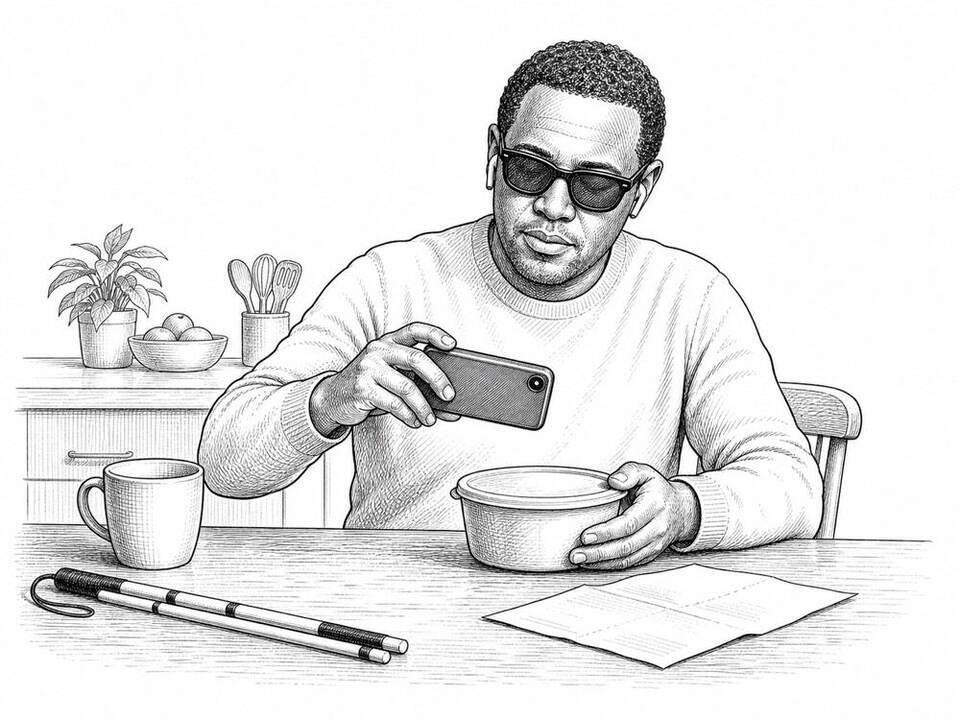
A free camera app reads text and describes objects and scenes for blind and low-vision users.
Source: AI For Good
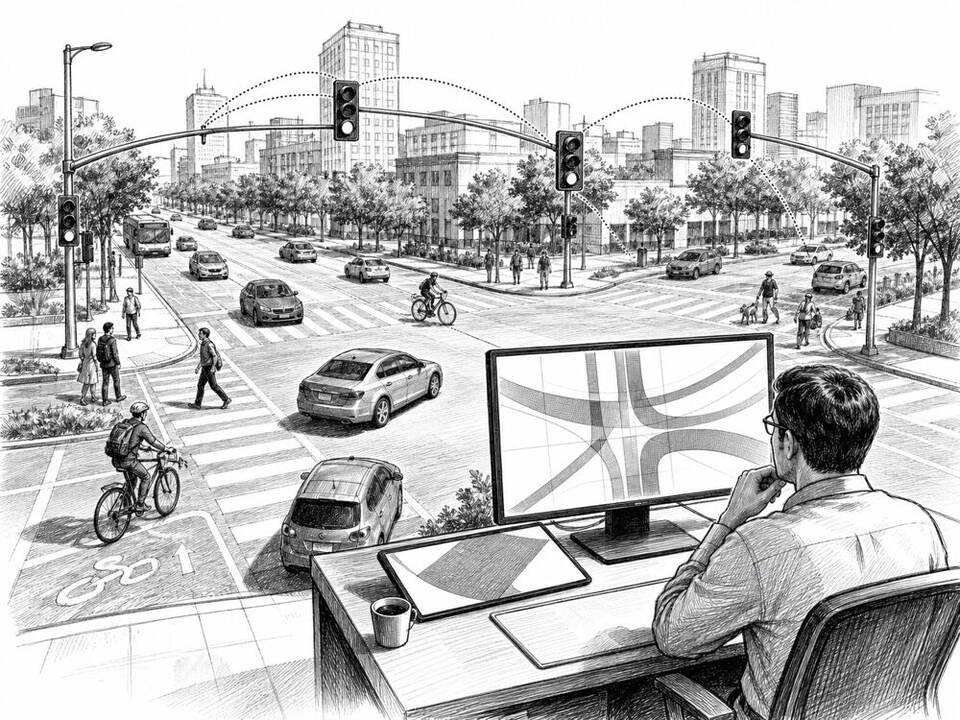
AI that analyzes traffic flows and proposes timing for traffic lights.
Source: AI For Good
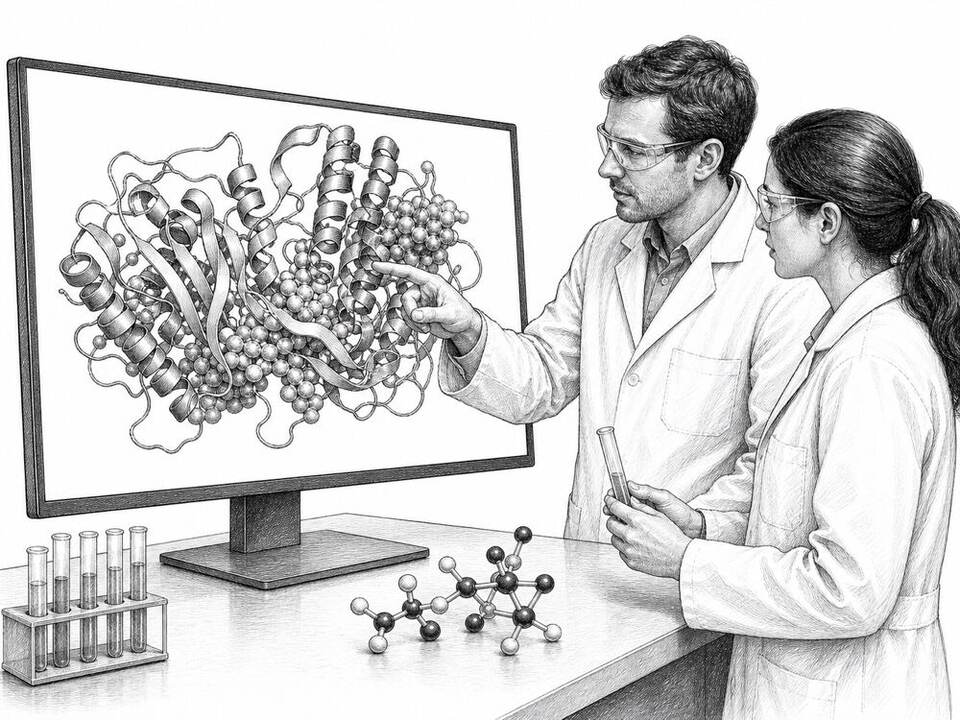
An AI model that predicts the structure and interactions of proteins, DNA, RNA, drug-like molecules, and ions.
Source: AI For Good
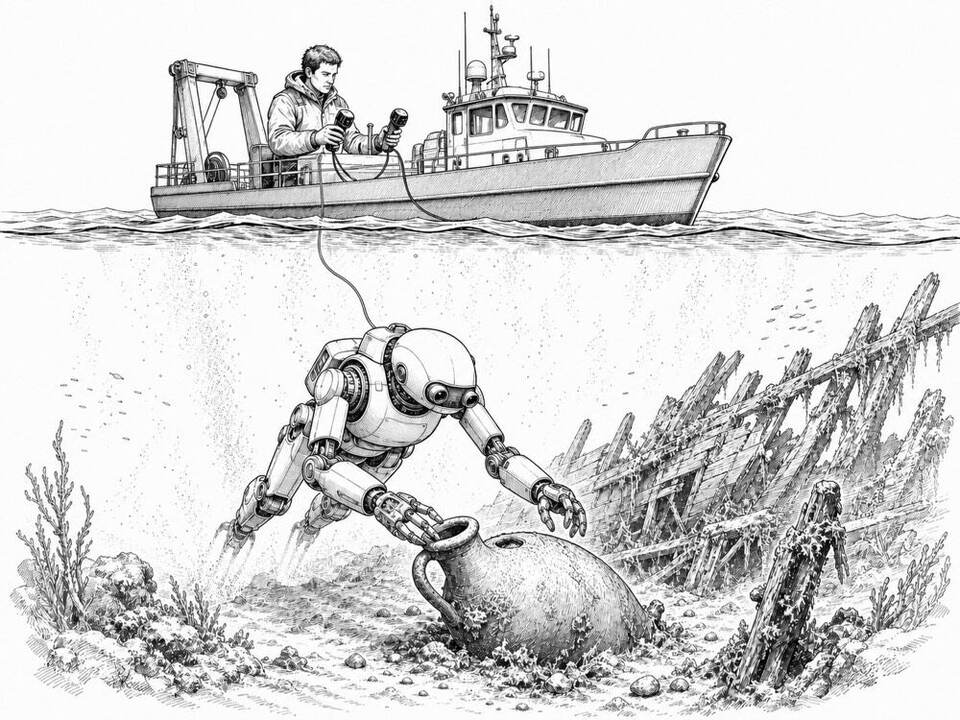
Deep-sea robot that lets researchers explore fragile sites at great depth via cameras, haptic arms, and shared autonomy.
Source: AI For Good
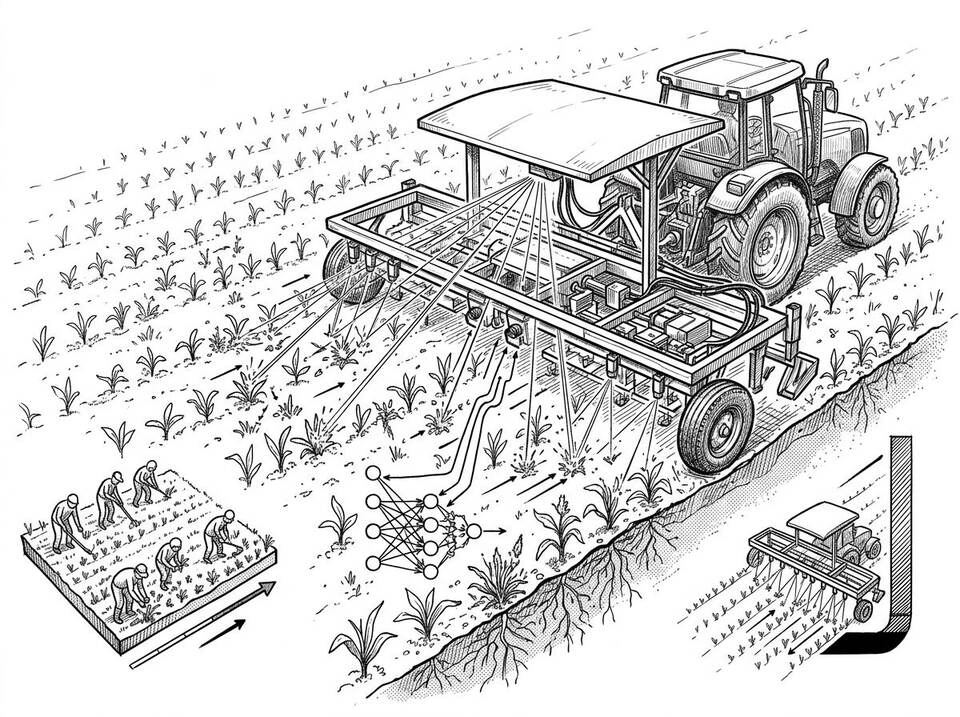
An agricultural machine that identifies weeds through image recognition and eliminates them with lasers without spraying herbicide on the crop.
Source: AI For Good
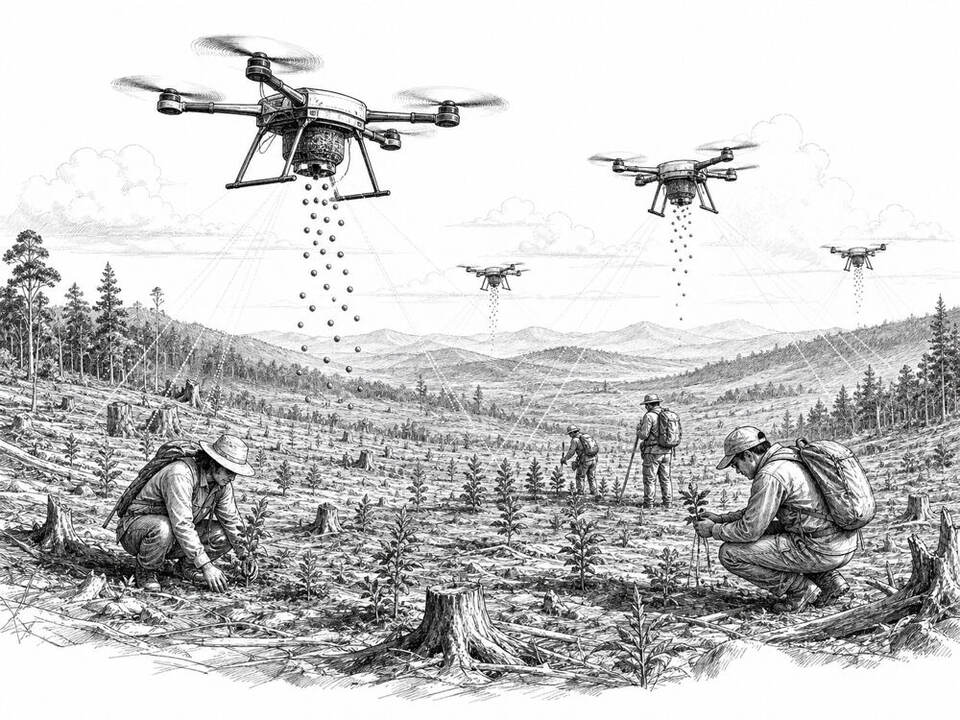
A reforestation company that combines terrain modeling, drones, and seed capsules to carry out and track restoration projects faster.
Source: AI For Good
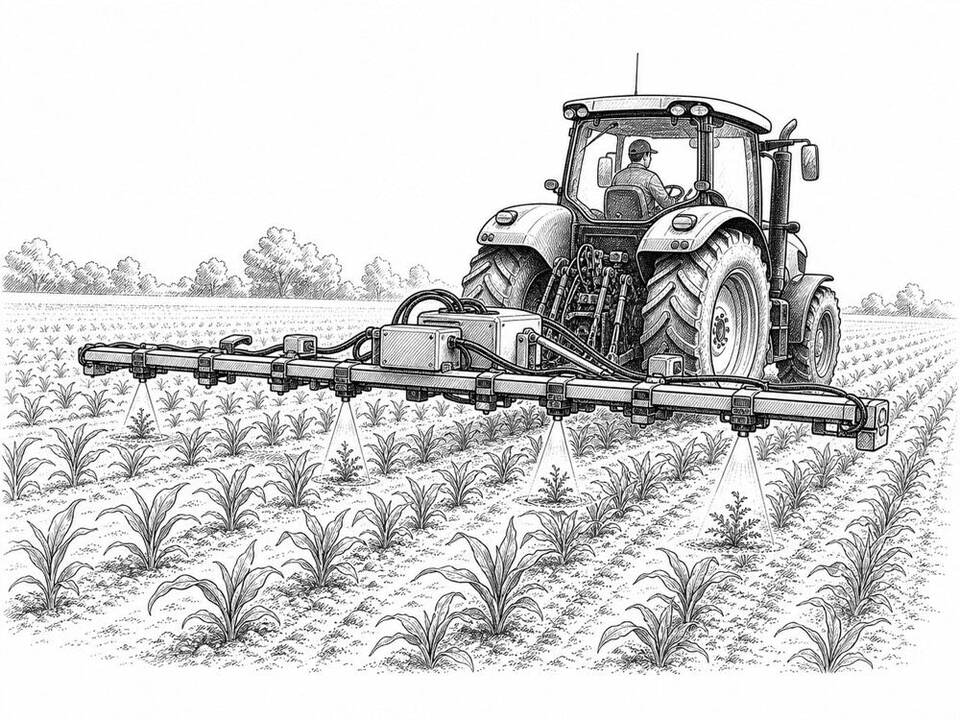
A precision sprayer that uses cameras to identify individual plants and applies treatment only to the selected targets.
Source: AI For Good
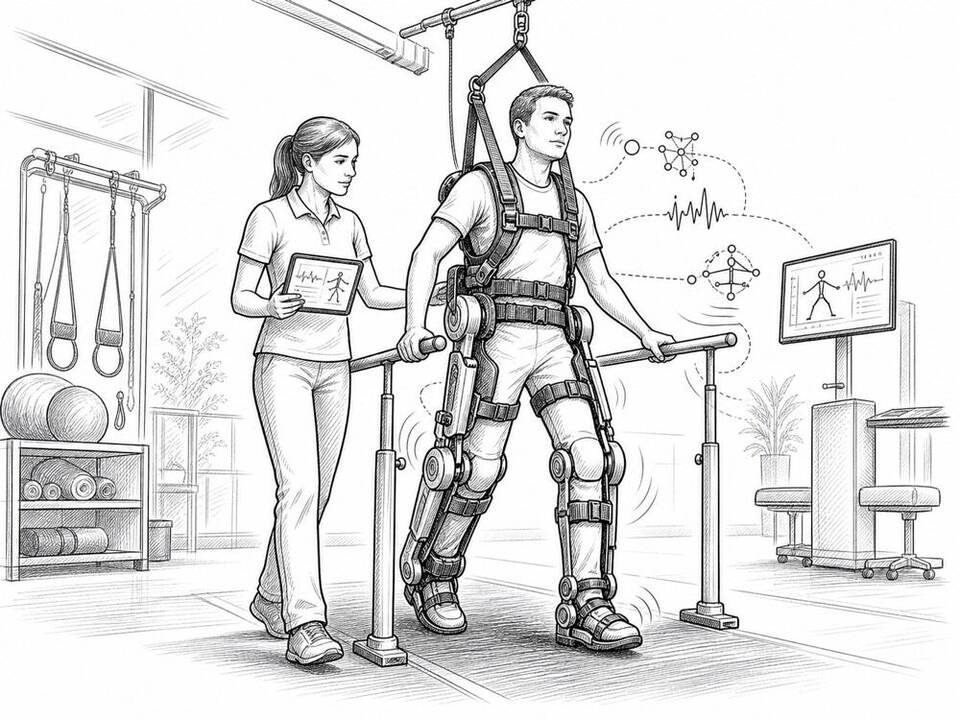
A self-balancing rehabilitation exoskeleton that supports gait training under the supervision of care professionals. Researchers tested whether a learning software could help an older Atalante model recover from a push.
Source: AI For Good
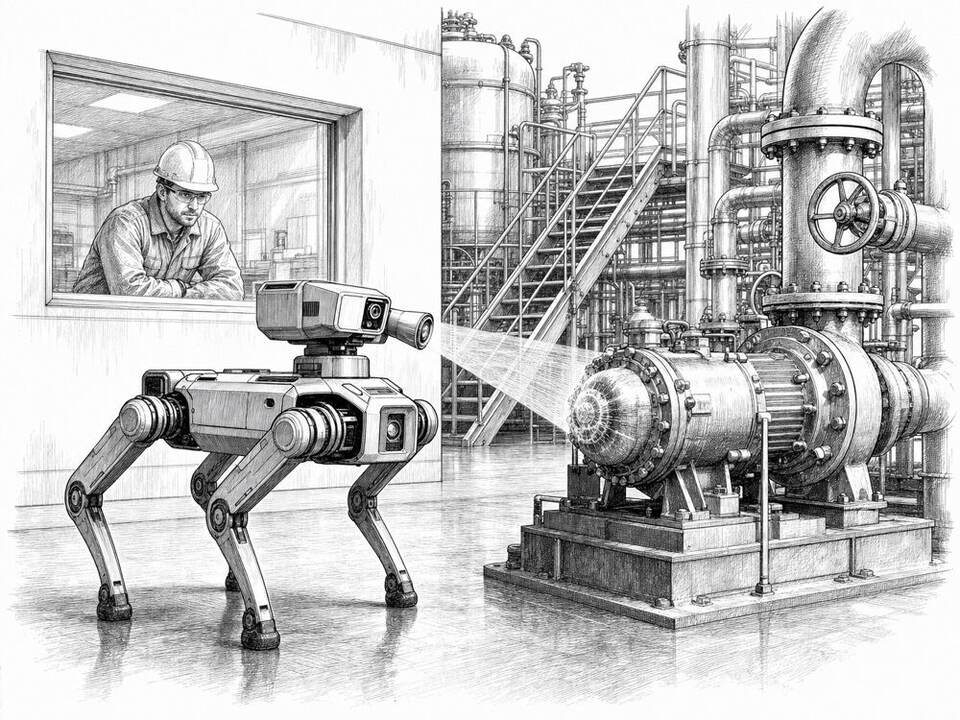
A quadruped robot that autonomously inspects hazardous industrial facilities.
Source: AI For Good
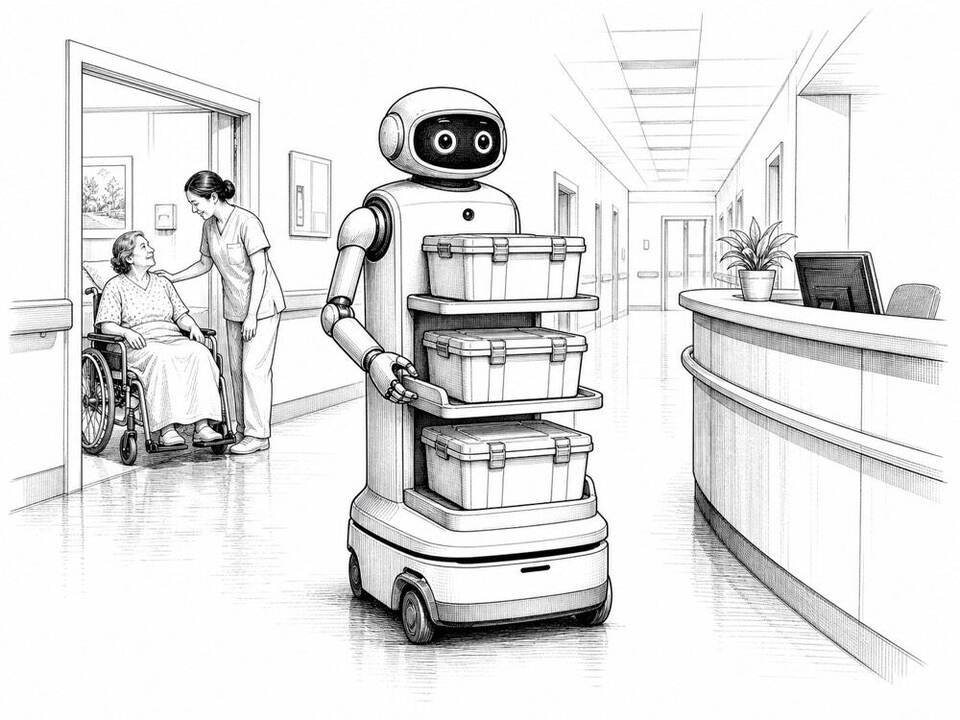
A hospital robot that transports medication, samples, and supplies, freeing care staff from time spent on errands.
Source: AI For Good
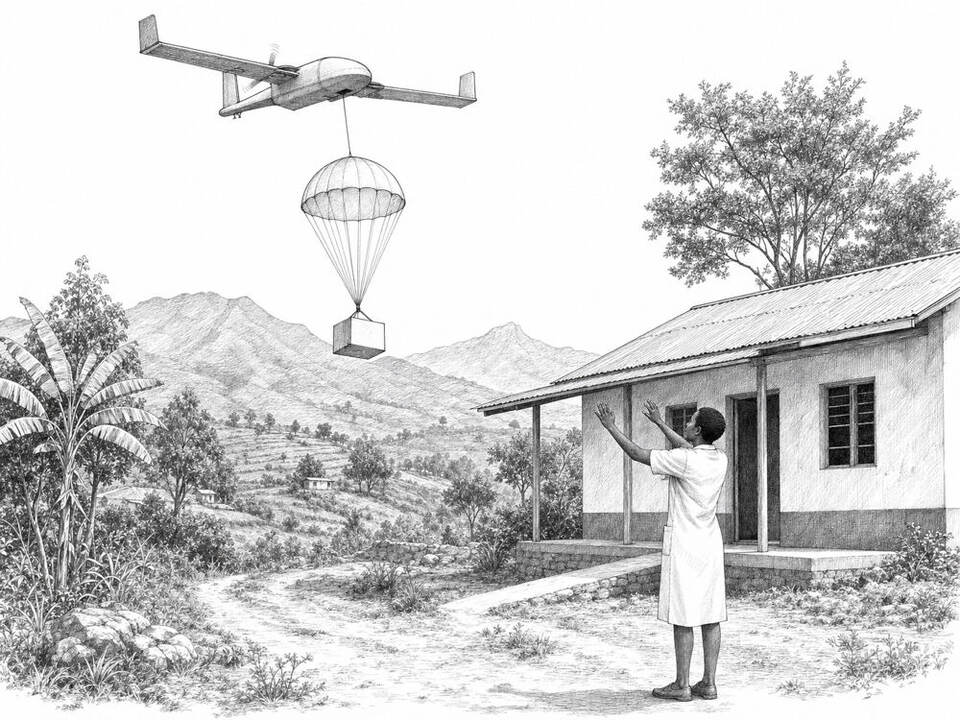
Autonomous drones deliver blood, vaccines and medicines; Platform 2 brings precise delivery to urban areas.
Source: AI For Good
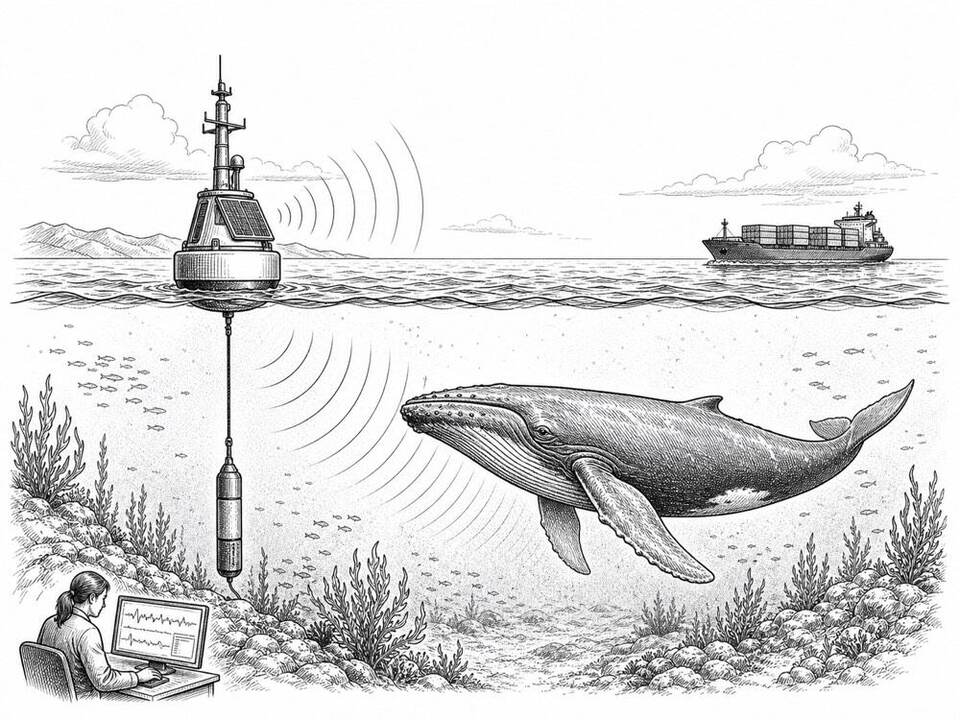
AI recognizes whale calls and combines them with observations and ship data to make collision risks visible.
Source: AI For Good
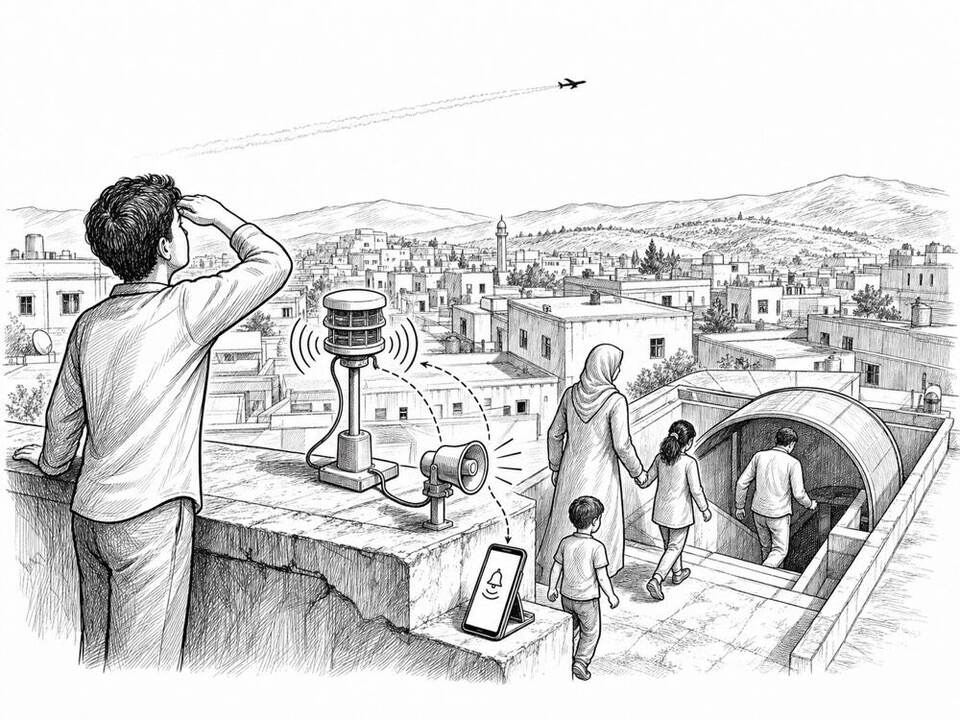
An alert system that warned people in Syria earlier that an airstrike was on its way.
Source: AI For Good
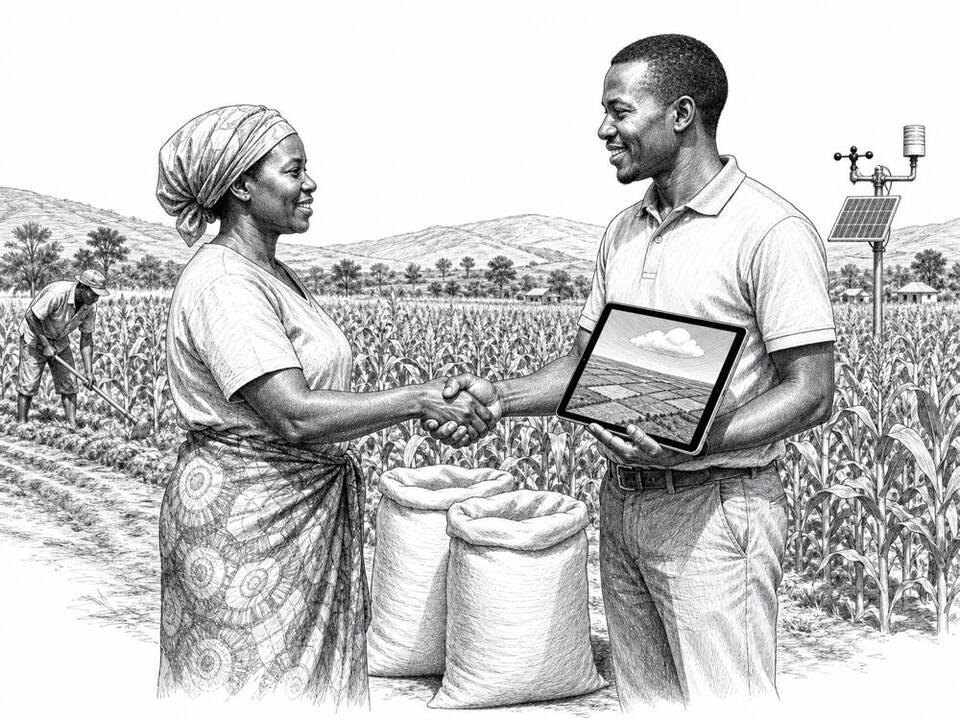
Data models that give smallholder farmers in Kenya and Zambia access to credit, insurance, and agricultural advice.
Source: AI For Good
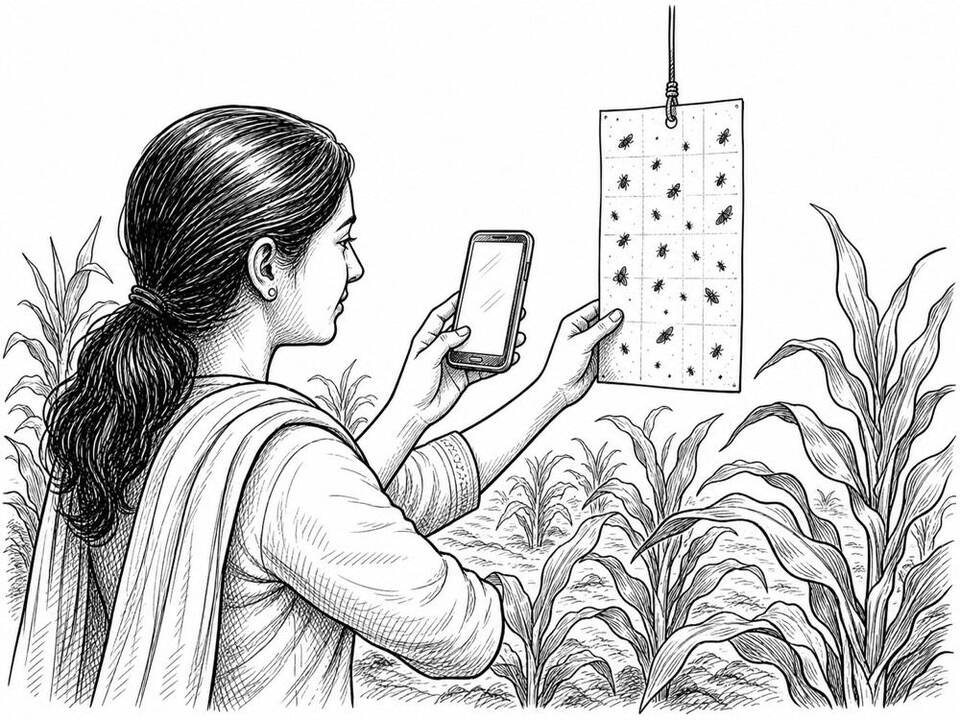
Image recognition counts harmful insects on photos of traps and helps agricultural services warn faster.
Source: AI For Good
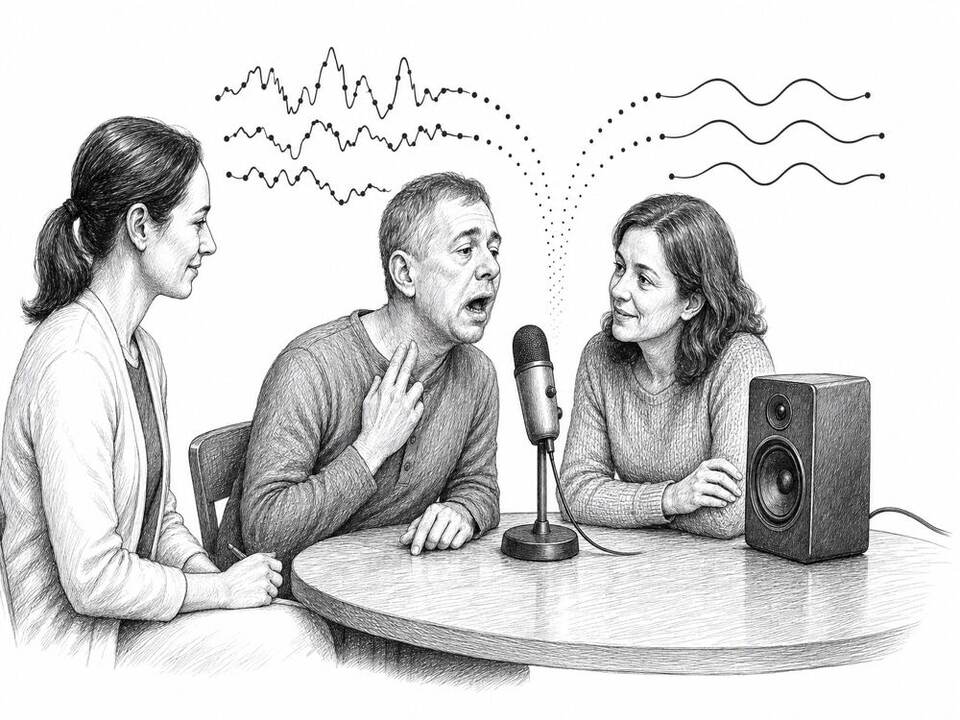
Speech recognition learns one user's non-standard speech and converts it into text or a comprehensible computer voice.
Source: AI For Good
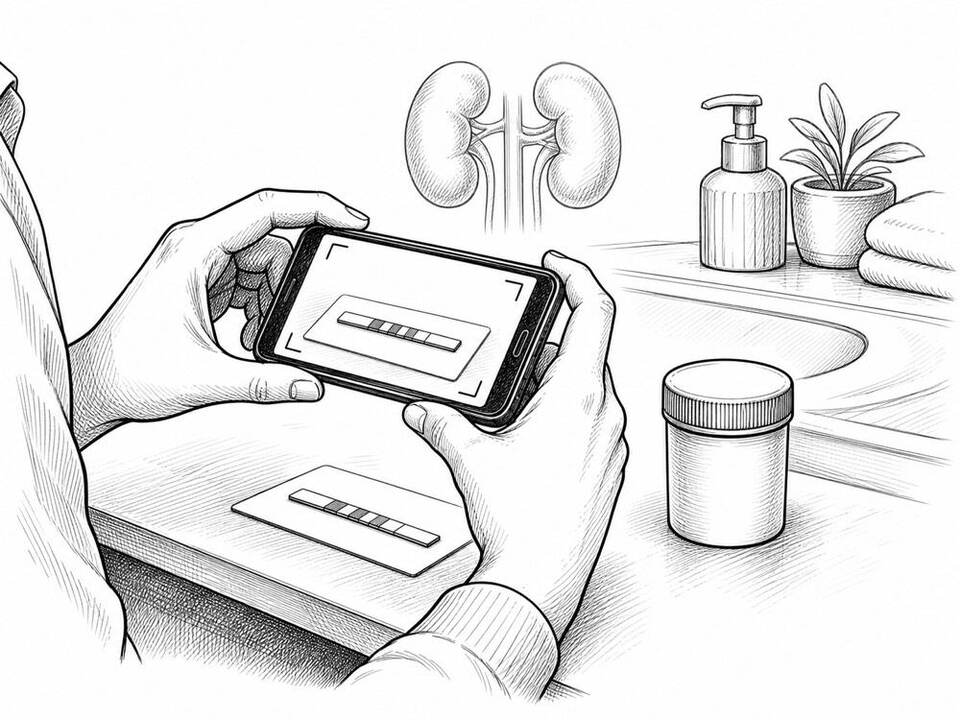
A home test using a smartphone camera and image recognition to make urine testing for chronic kidney disease more accessible.
Source: AI For Good
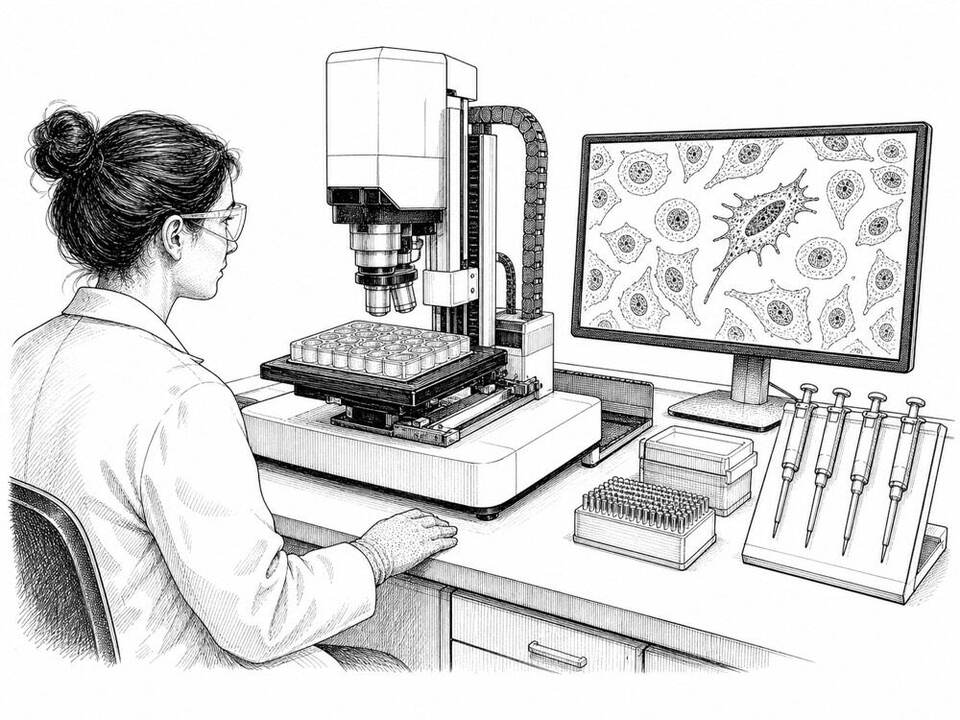
Recursion combines automated cell assays with image recognition to find patterns that can yield new drug candidates.
Source: AI For Good
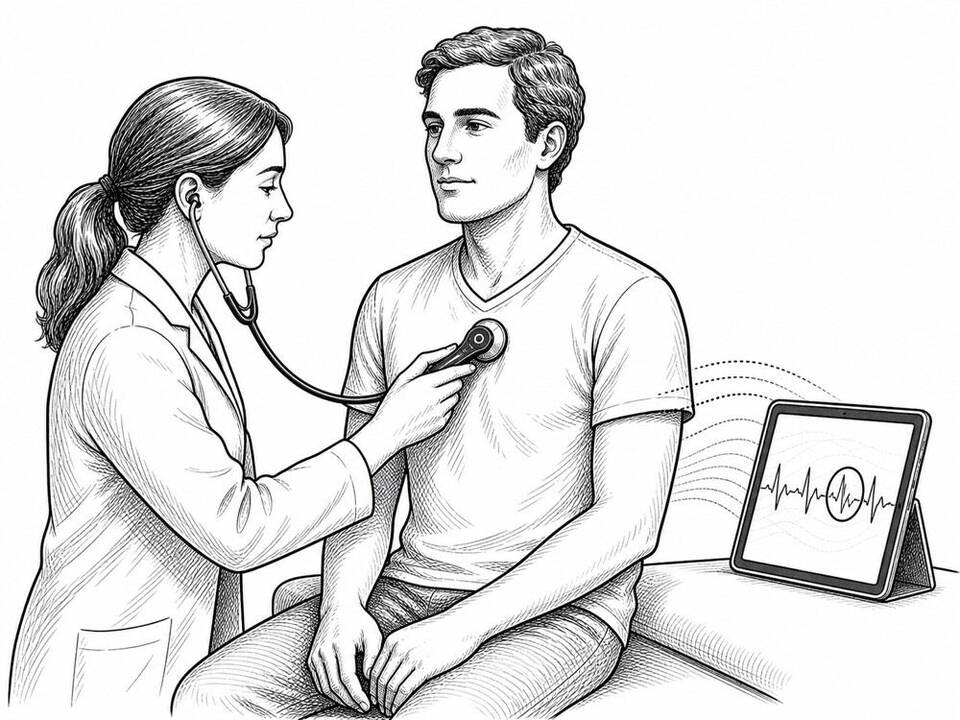
A digital stethoscope with AI that helps caregivers detect conditions such as heart arrhythmia, atrial fibrillation, and low pump function.
Source: AI For Good
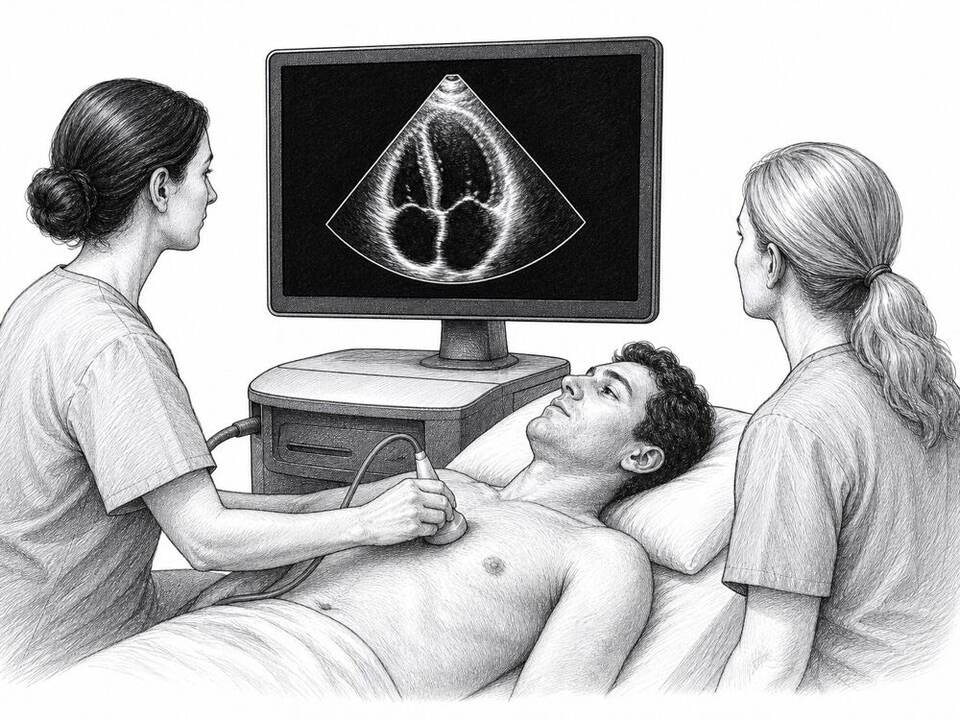
AI guidance that helps care providers capture heart echo images that are diagnostically usable.
Source: AI For Good
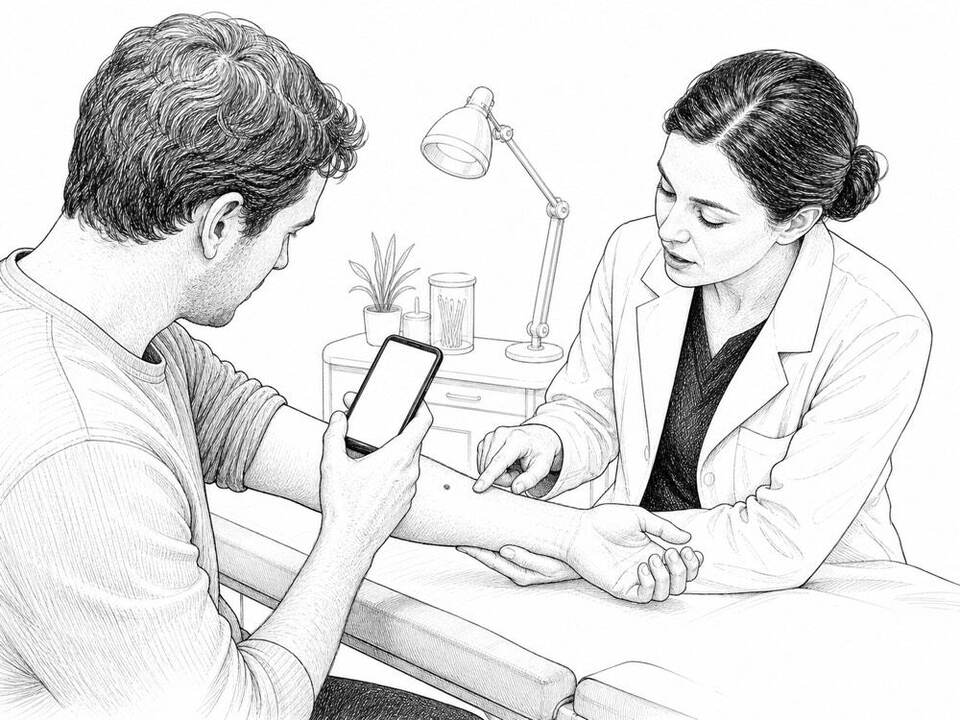
AI assesses photos of skin spots for elevated risk and advises when medical review is needed.
Source: AI For Good
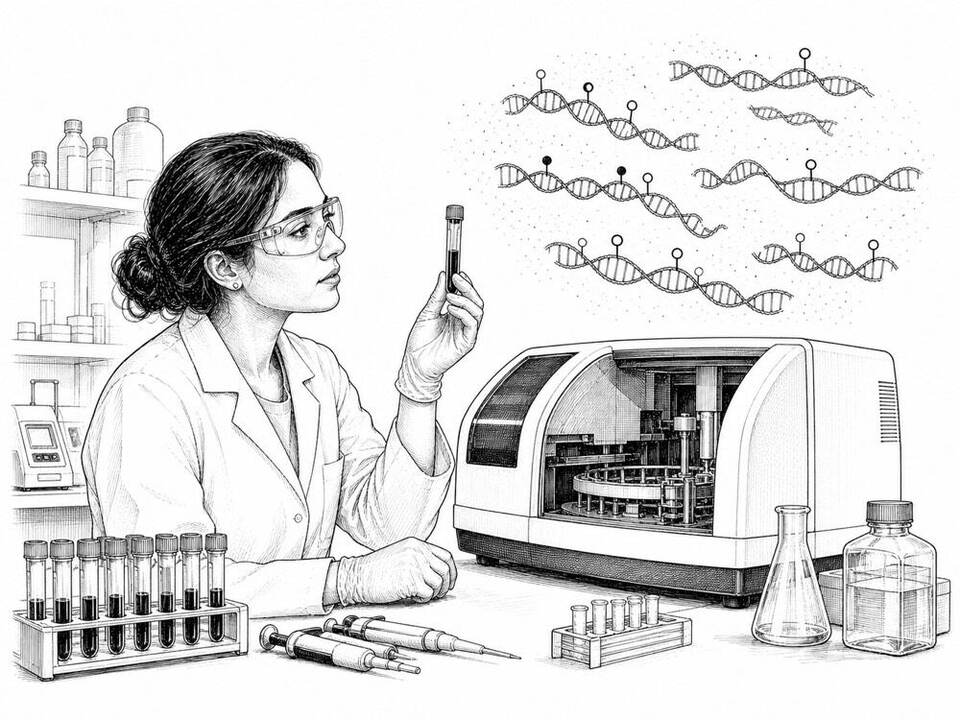
A blood test using machine learning to detect signs of colorectal cancer in circulating DNA.
Source: AI For Good
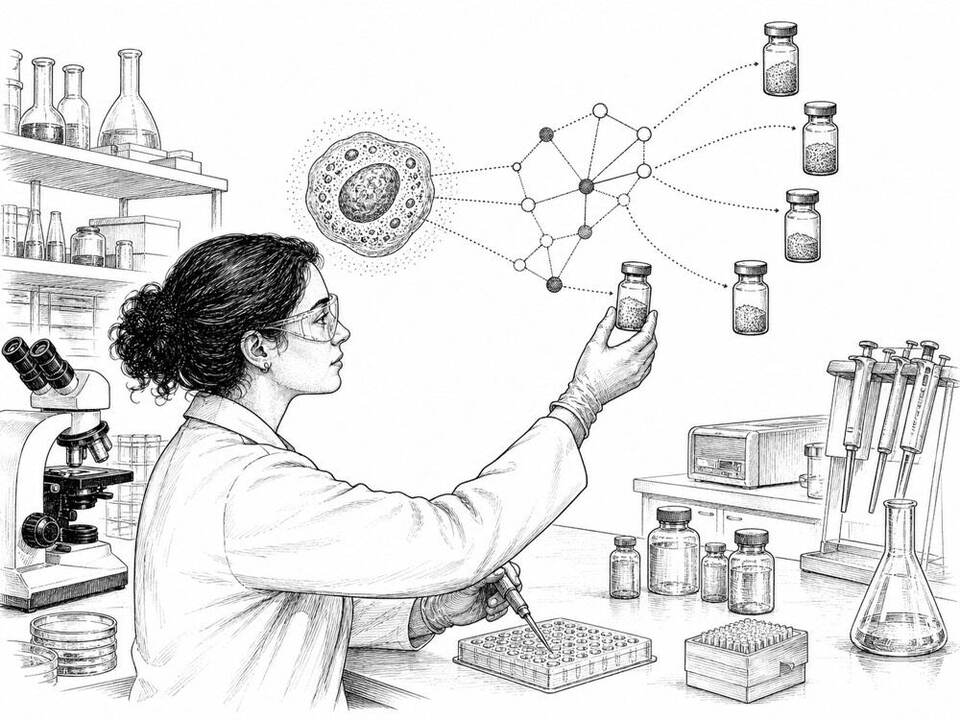
AI platform that searches existing and new drug candidates for rare diseases with few available treatments.
Source: AI For Good
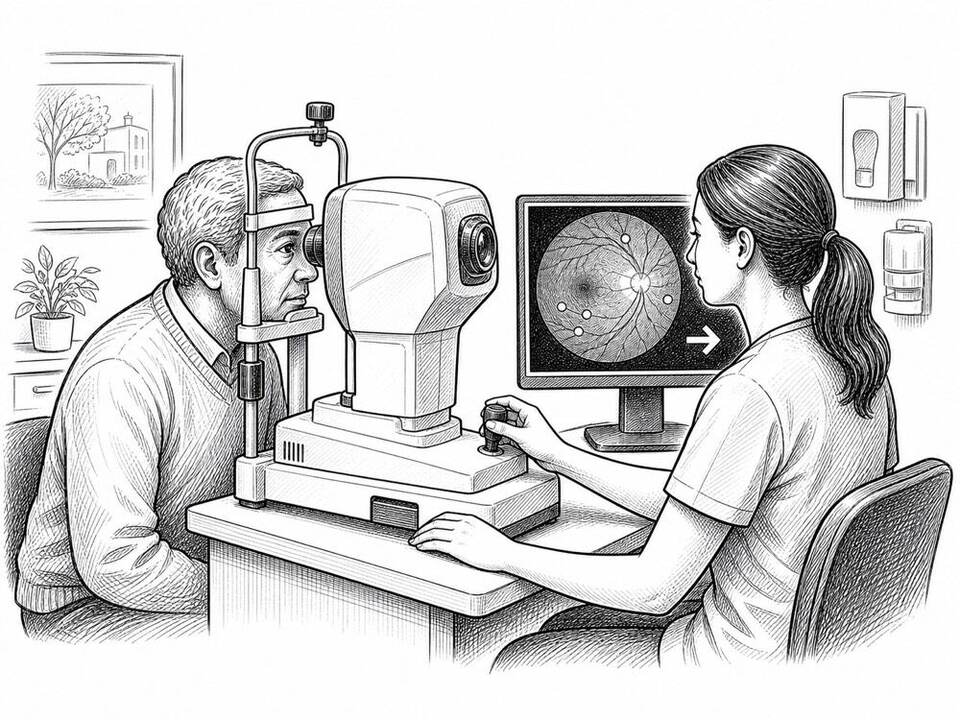
Autonomous AI that assesses retina images in primary care for diabetic retinopathy and immediately provides follow-up guidance.
Source: AI For Good
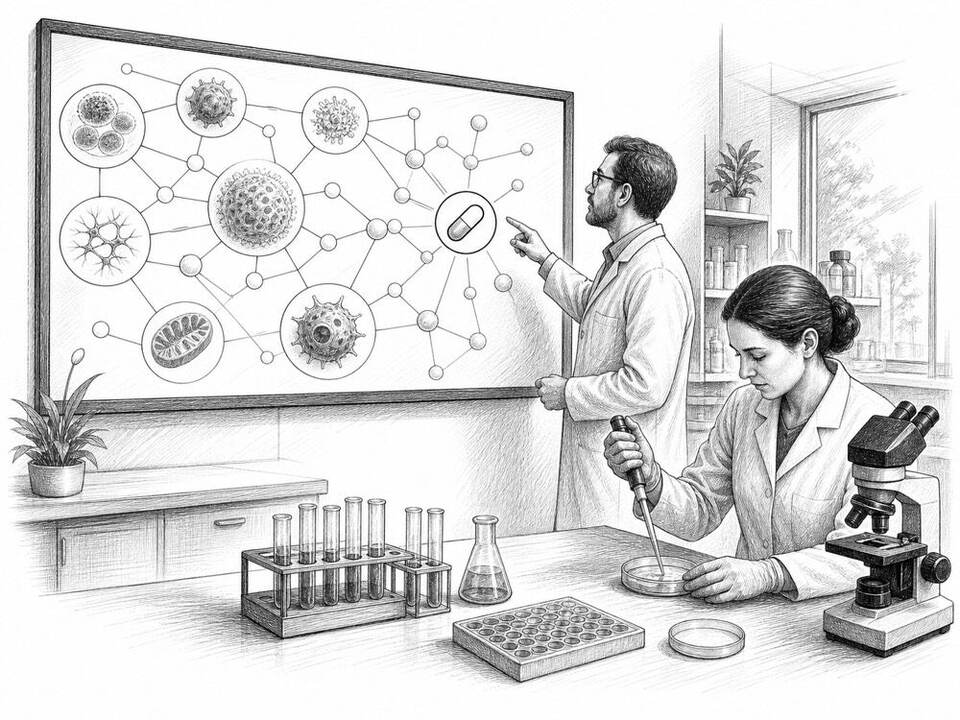
An AI-driven knowledge graph that early flagged baricitinib as a possible treatment for severe COVID-19.
Source: AI For Good
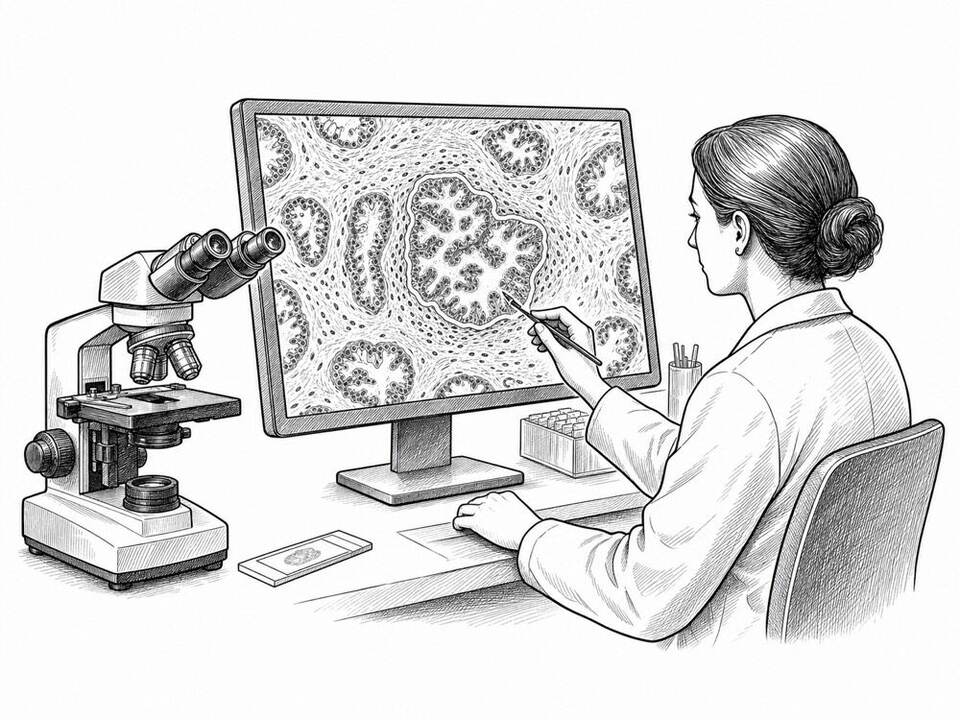
AI that analyses digitised prostate biopsy slides and flags suspicious areas for the pathologist.
Source: AI For Good
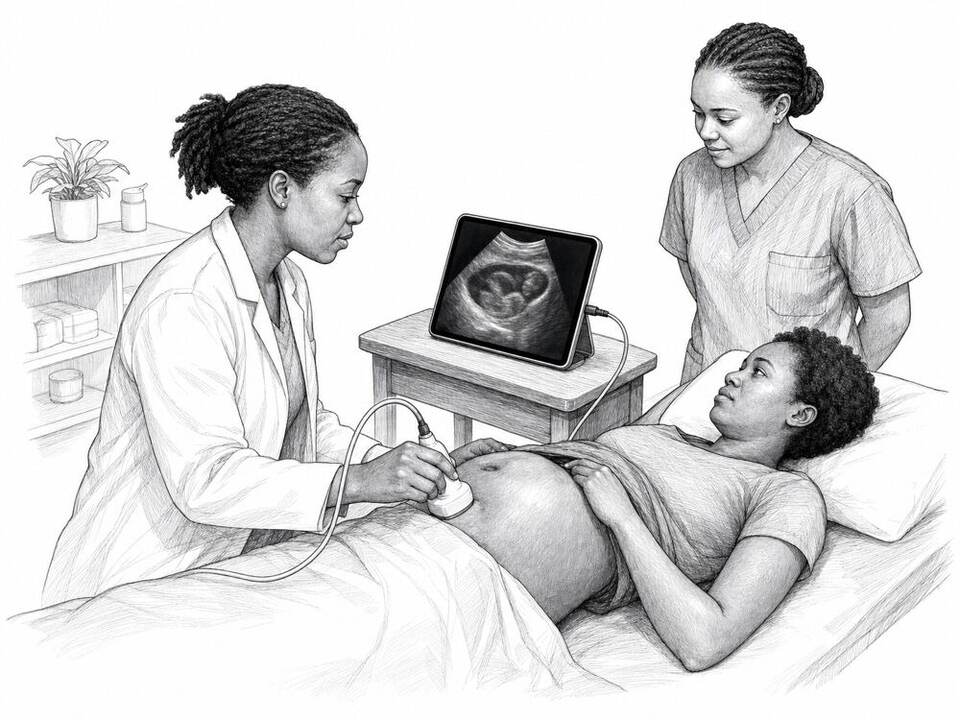
A portable ultrasound device with AI features that support clinicians in image acquisition and measurements.
Source: AI For Good
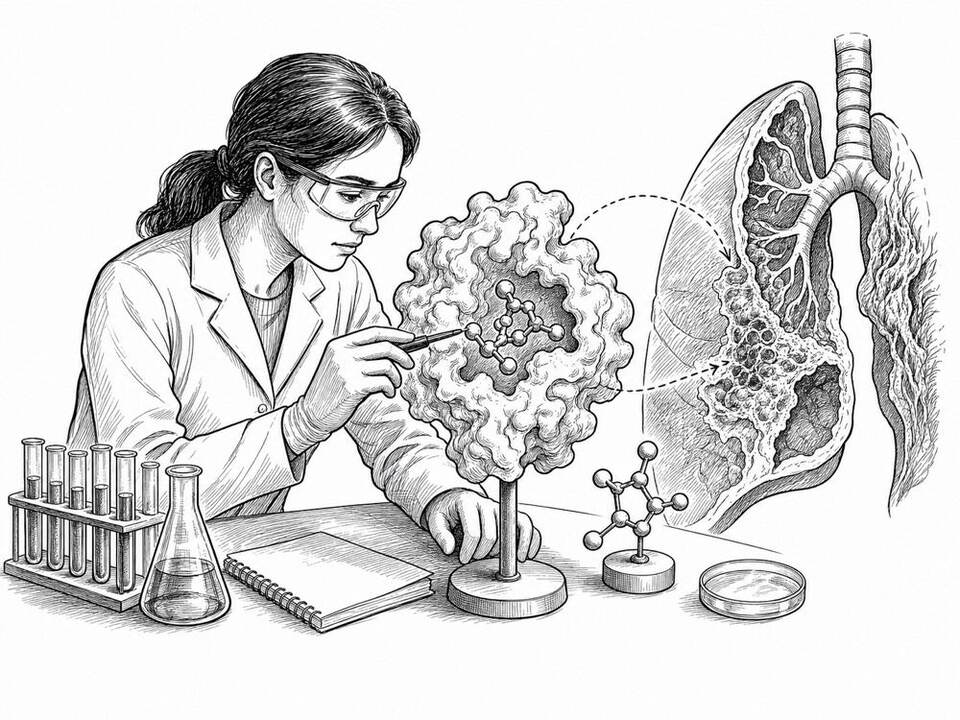
A drug candidate for pulmonary fibrosis whose biological target and molecule were both discovered using AI.
Source: AI For Good
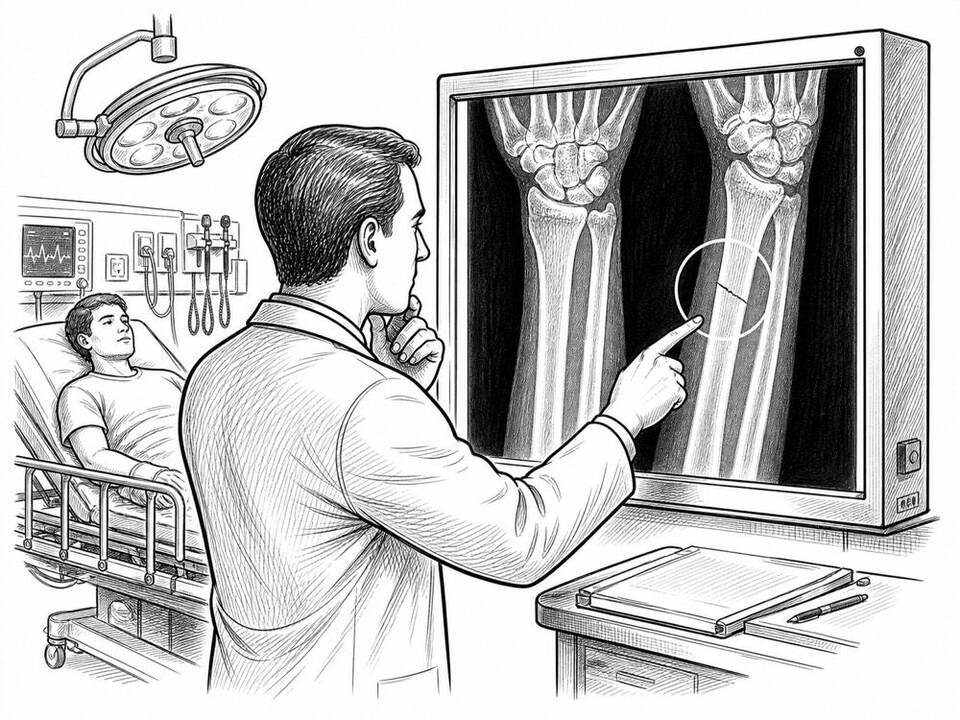
AI decision support that flags possible fractures on X-ray images for the physician.
Source: AI For Good
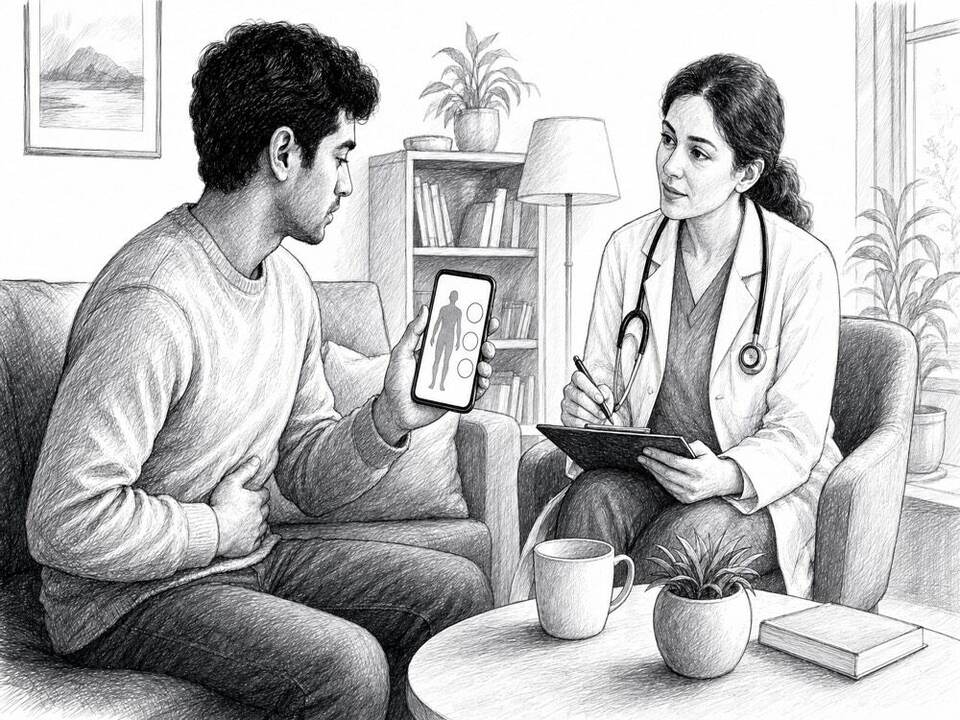
A digital symptom checker that helps people organize their symptoms and choose appropriate next steps.
Source: AI For Good
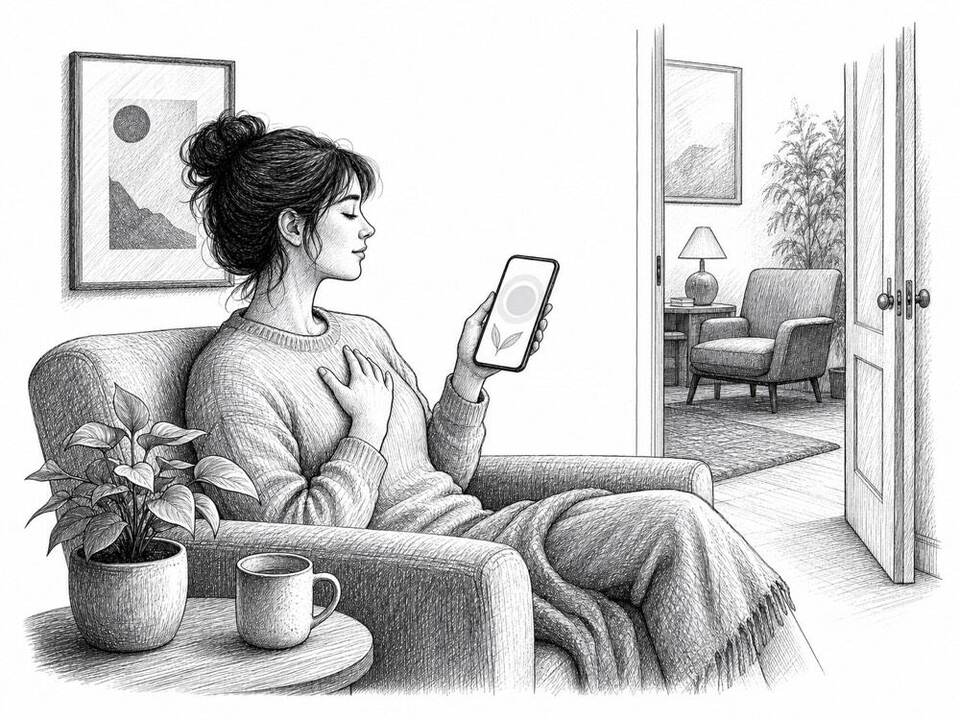
An AI chatbot provides structured exercises for stress, low mood, and anxiety as a complement to professional care.
Source: AI For Good
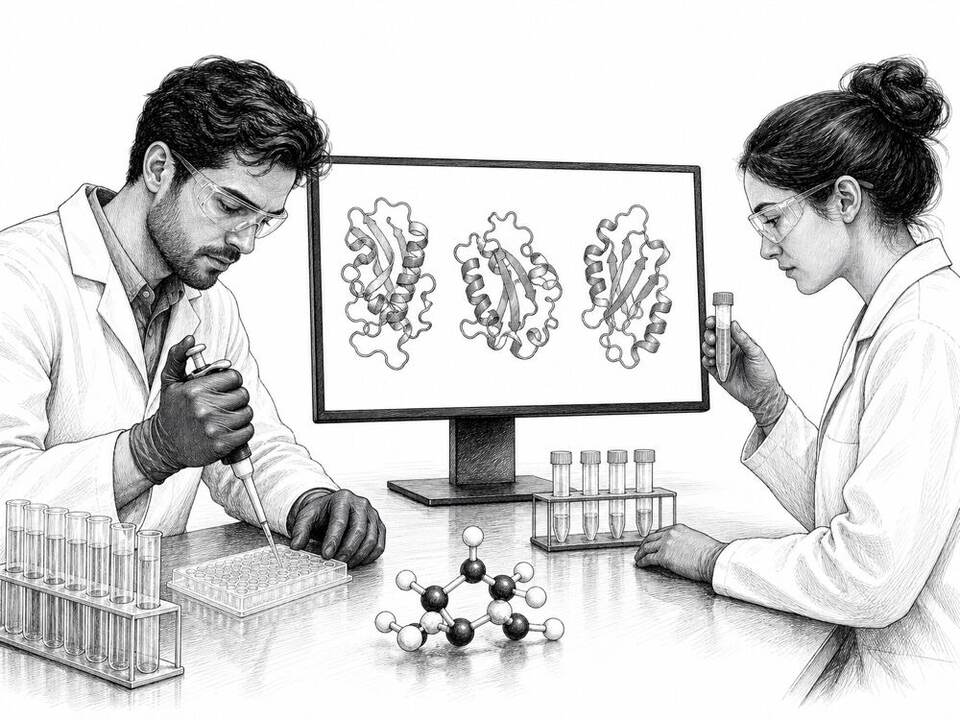
An AI platform that helps biologists design targeted variants of proteins for medicines, food, and industry.
Source: AI For Good
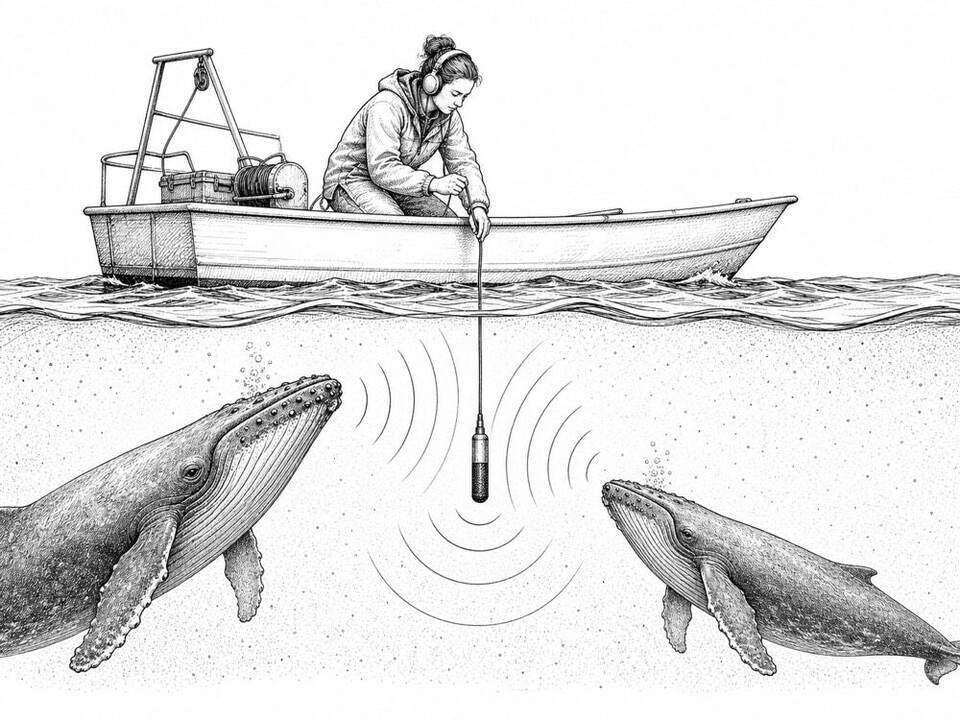
A non-profit building open AI models to detect, organize, and analyze animal sounds at scale.
Source: AI For Good
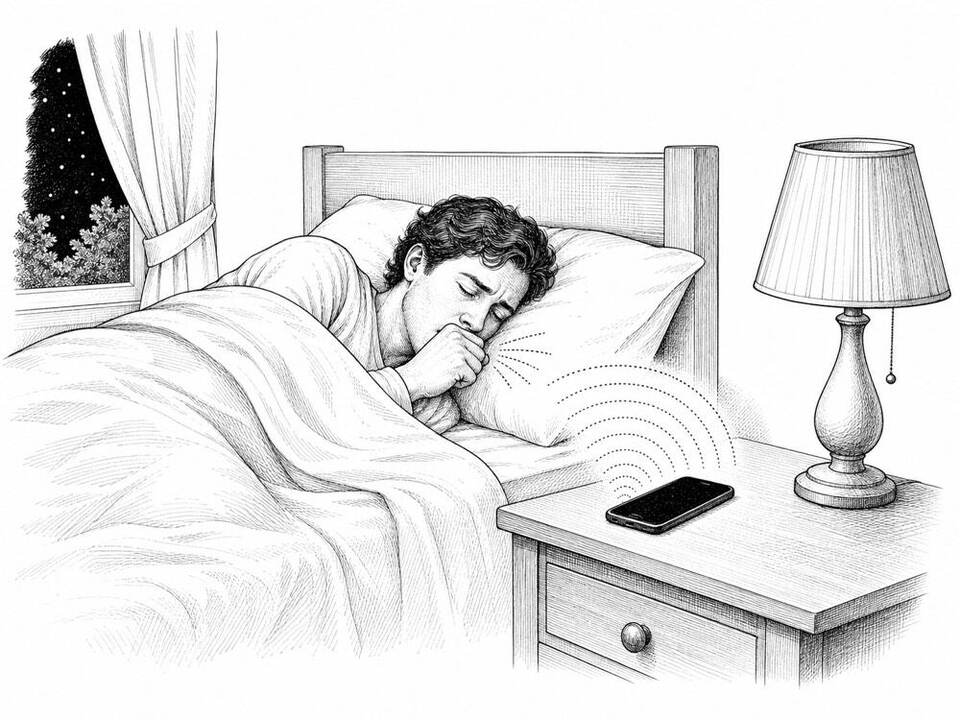
AI identifies cough sounds during sleep and aggregates anonymized trends as an additional signal for respiratory infections.
Source: AI For Good
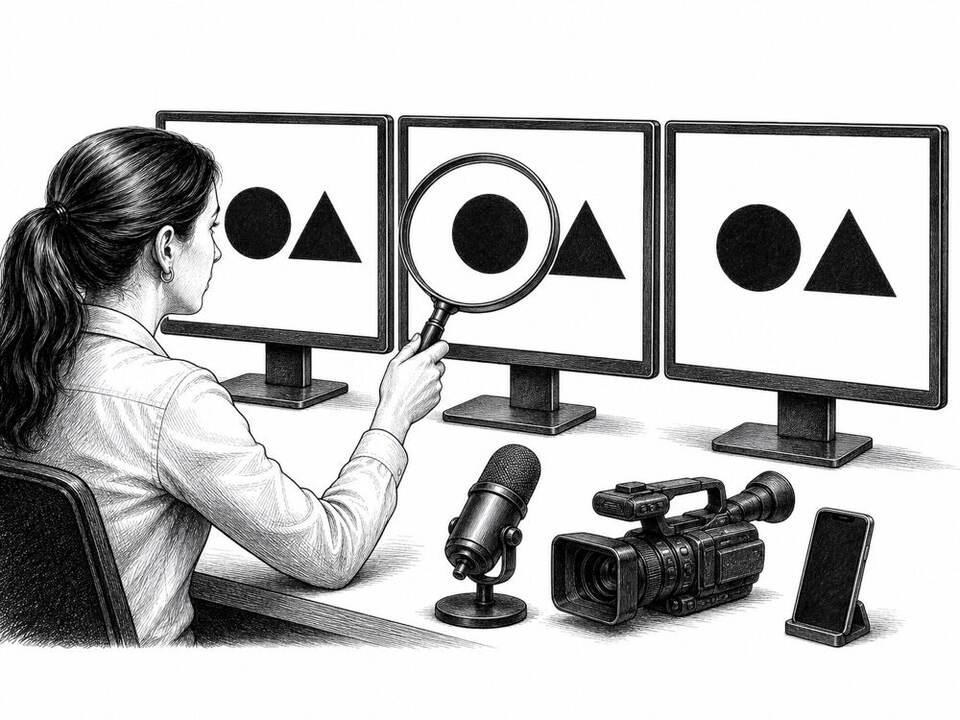
AI tools help fact-checkers track public statements, identify recurring claims, and prioritize their research.
Source: AI For Good
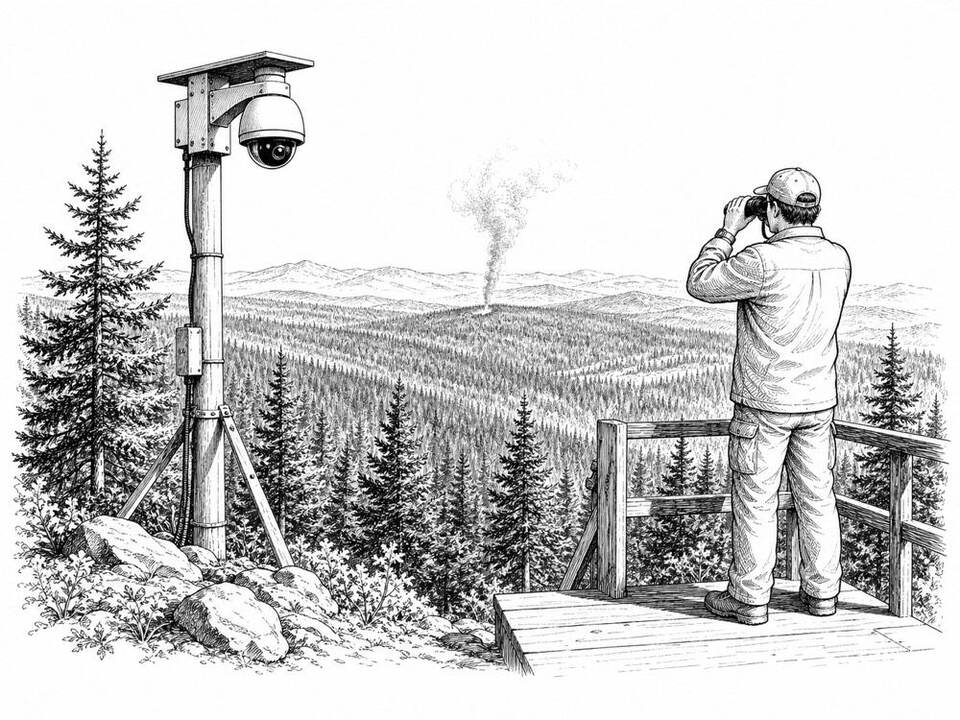
Cameras with image recognition that detect smoke from starting wildfires and warn emergency services faster.
Source: AI For Good
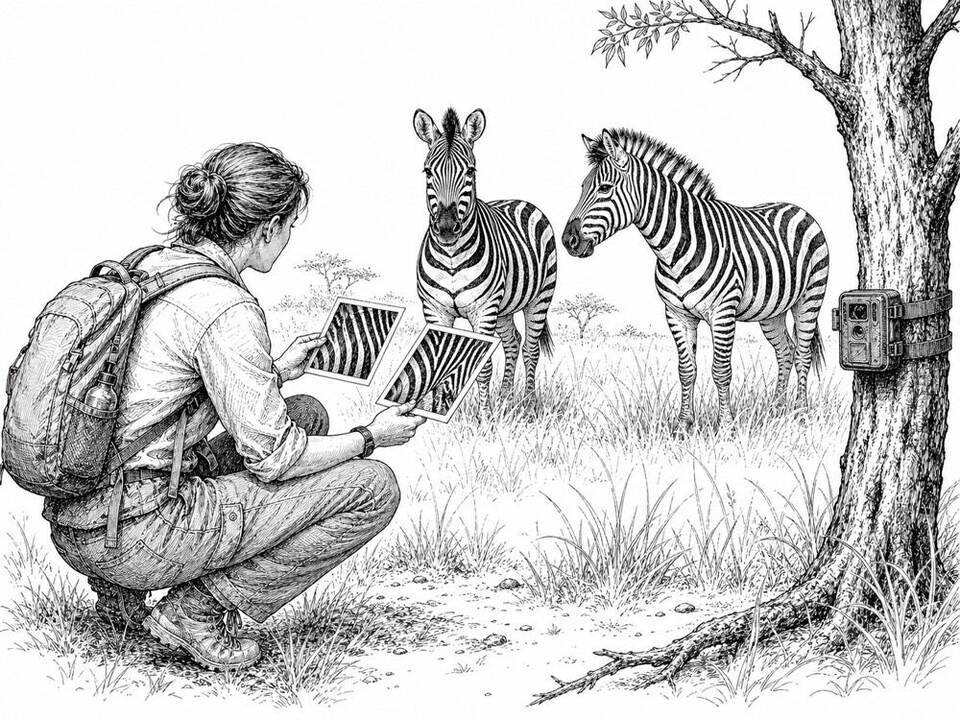
Open-source image recognition that helps identify and track individual wild animals from photos.
Source: AI For Good
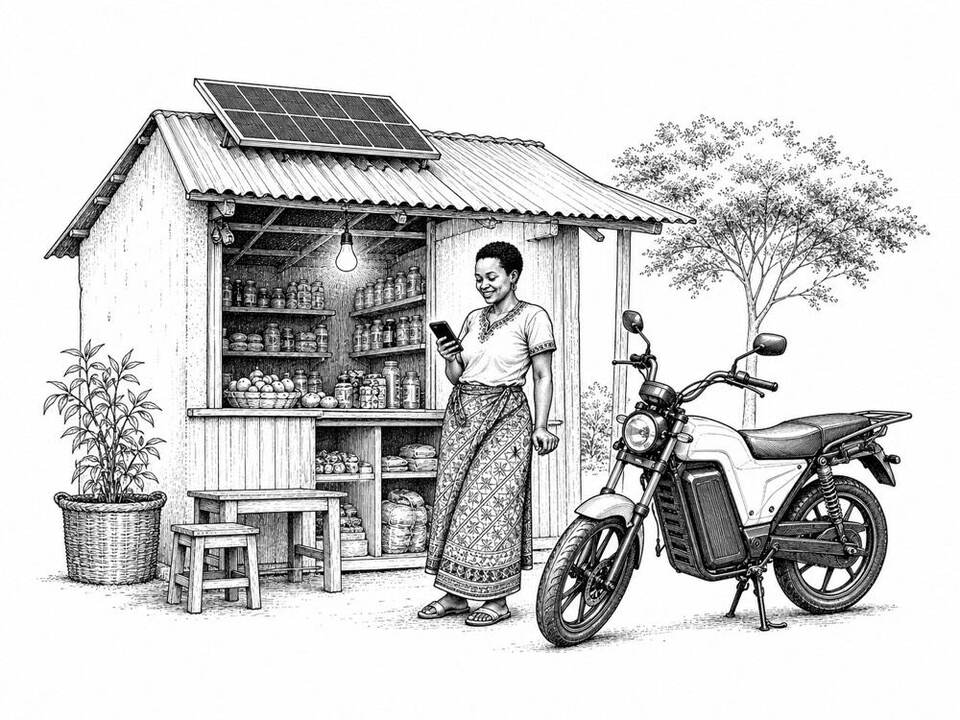
A financing platform giving people without formal credit histories access to smartphones, solar energy, and other productive assets.
Source: AI For Good
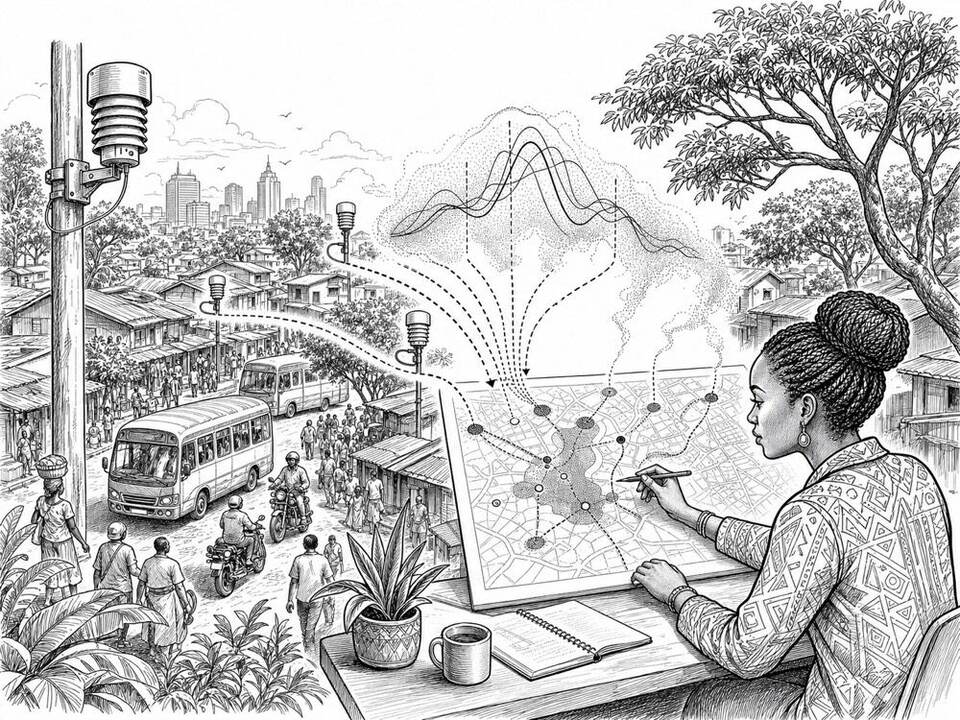
An African network of affordable sensors that measures, complements, and predicts local air pollution using machine learning.
Source: AI For Good
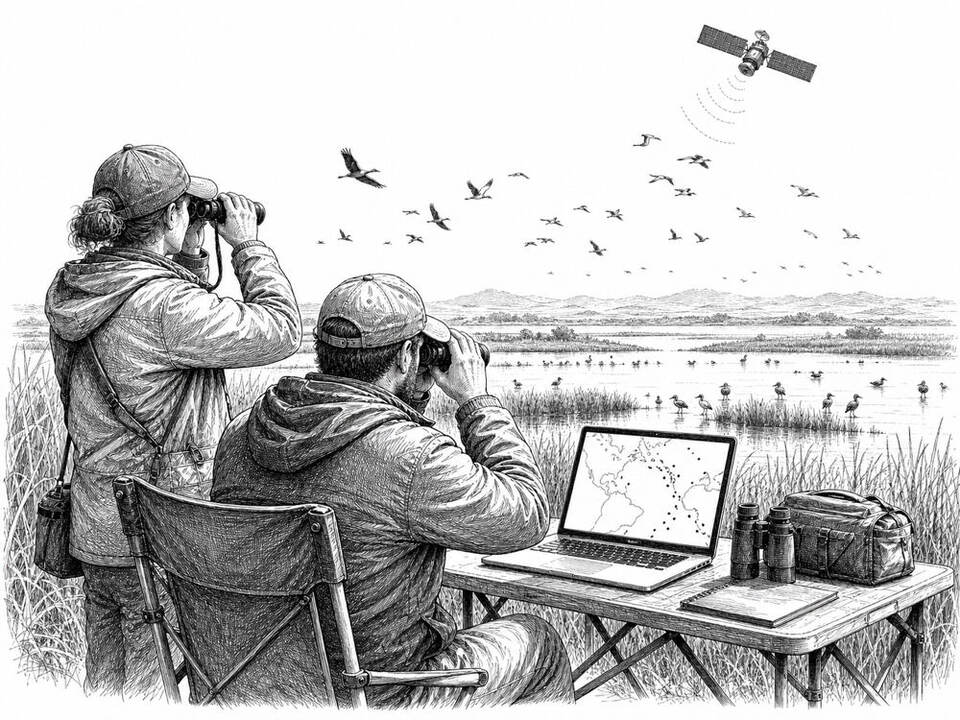
Machine learning converts citizen scientist bird observations into up-to-date maps of species distribution, migration, and population trends for conservationists.
Source: AI For Good
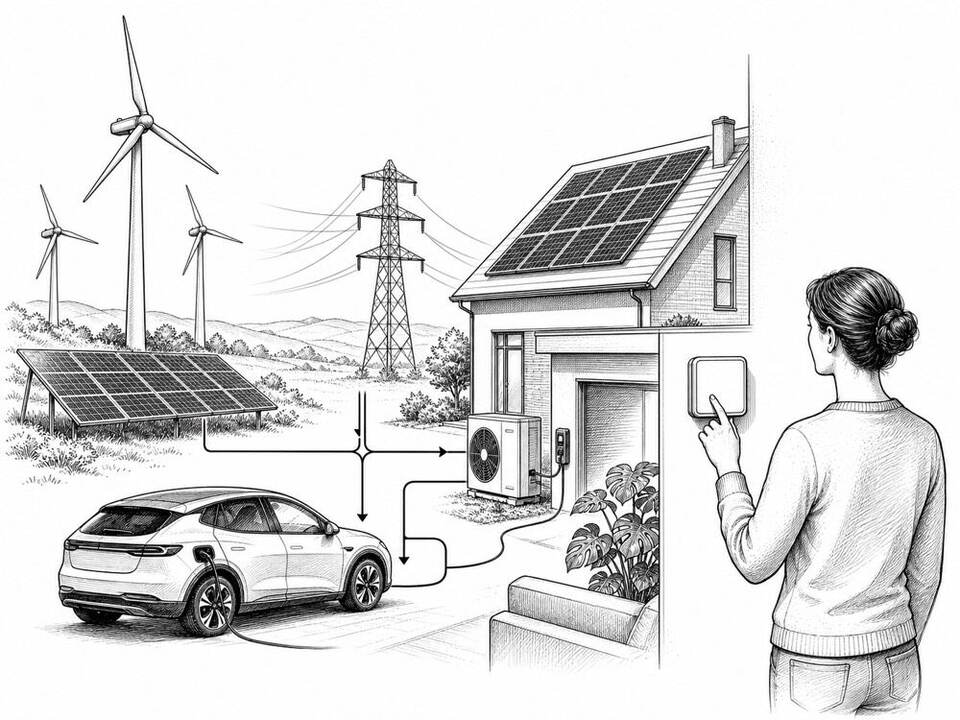
An open machine-learning forecast predicts when and where British electricity has the lowest CO2 intensity.
Source: AI For Good
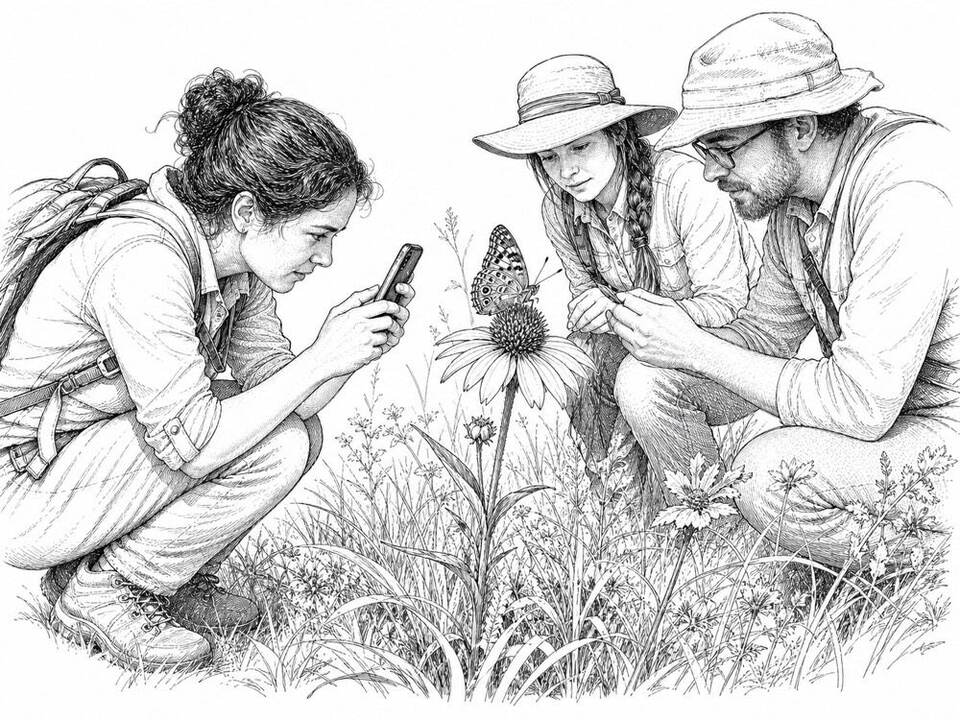
Image recognition helps people identify plants, animals, and fungi in photos; the community verifies identifications and builds open biodiversity data.
Source: AI For Good
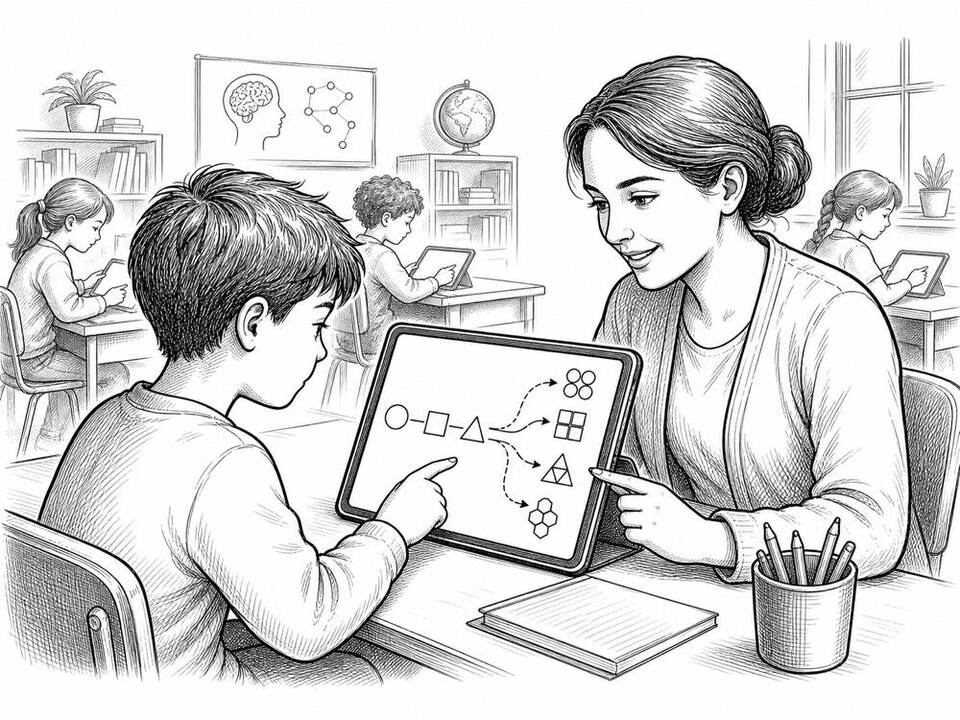
An adaptive learning program that adjusts math and language exercises to what a student actually masters, even when that is below class level.
Source: AI For Good
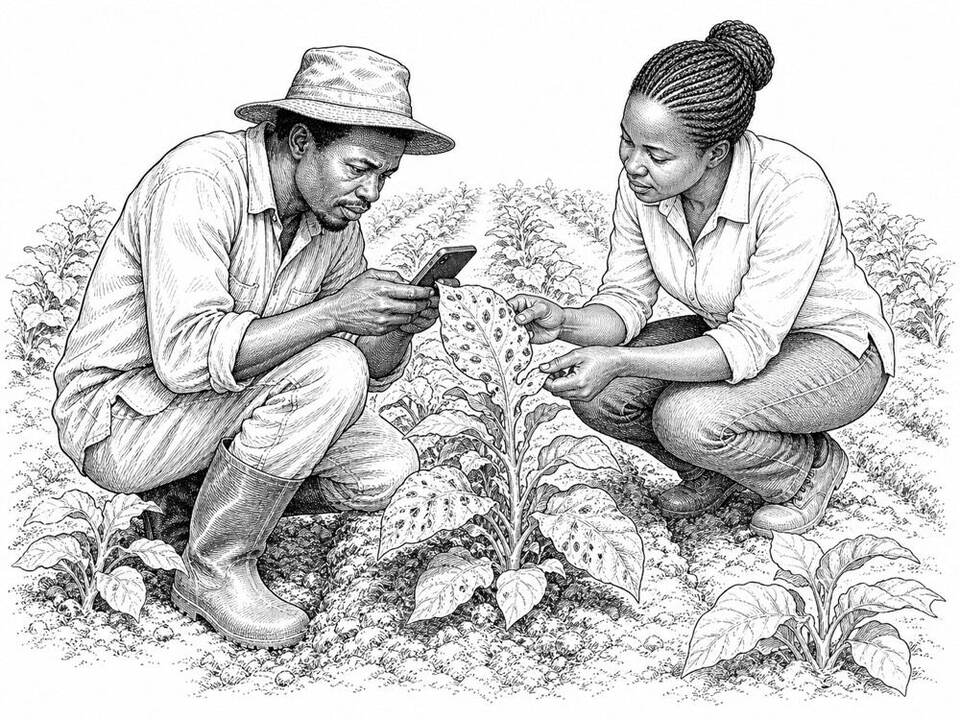
A multilingual AI assistant that gives smallholder farmers access to local agricultural advice via text, voice, and photos.
Source: AI For Good
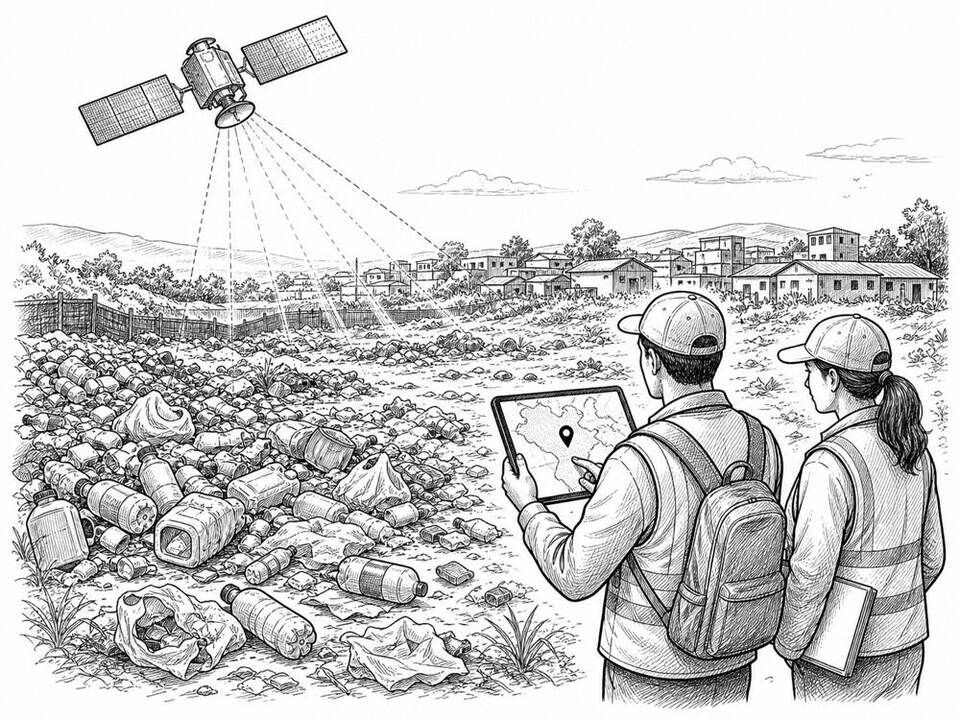
AI scans satellite images of plastic waste sites and publishes the locations found in an open world map.
Source: AI For Good
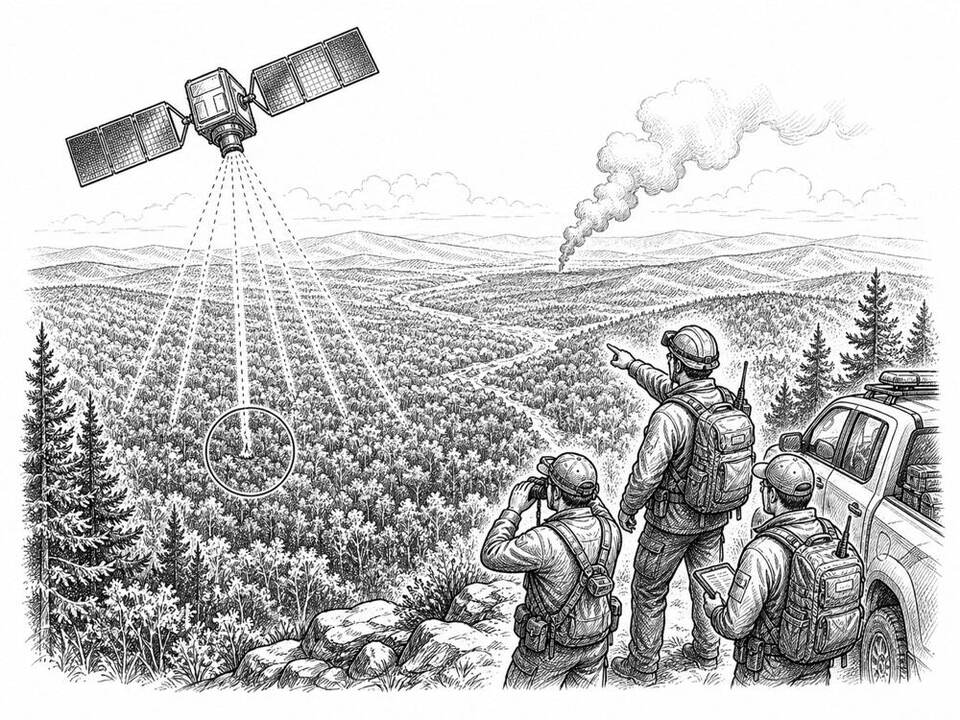
A satellite network using AI aims to find small wildfires faster and track their development more often.
Source: AI For Good
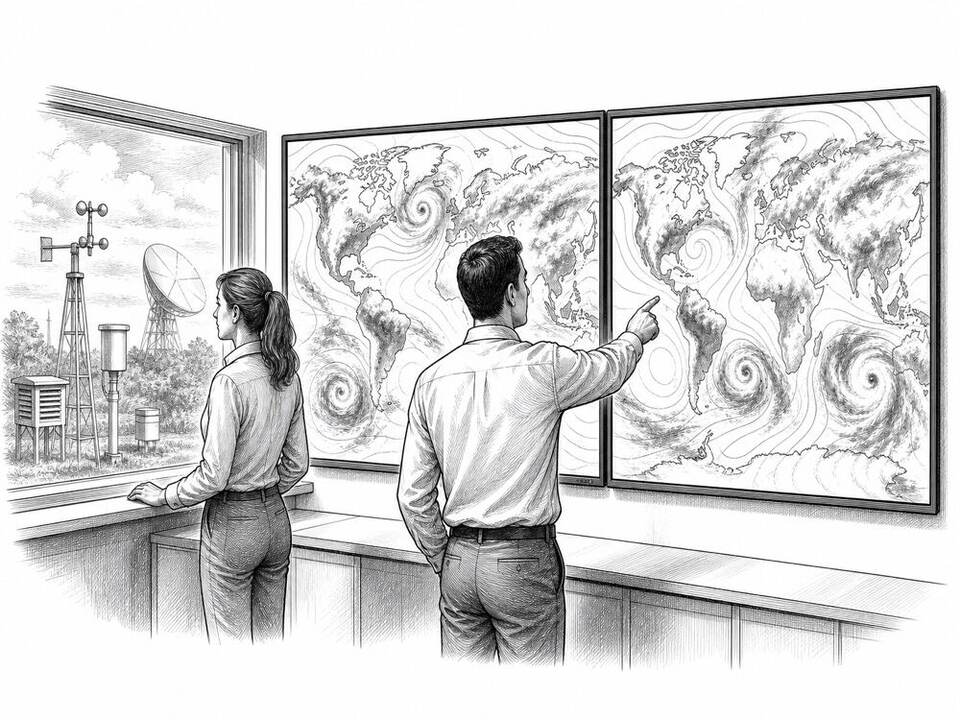
The European weather centre now runs an AI weather model operationally alongside its physics-based model and makes forecasts available as open data.
Source: AI For Good
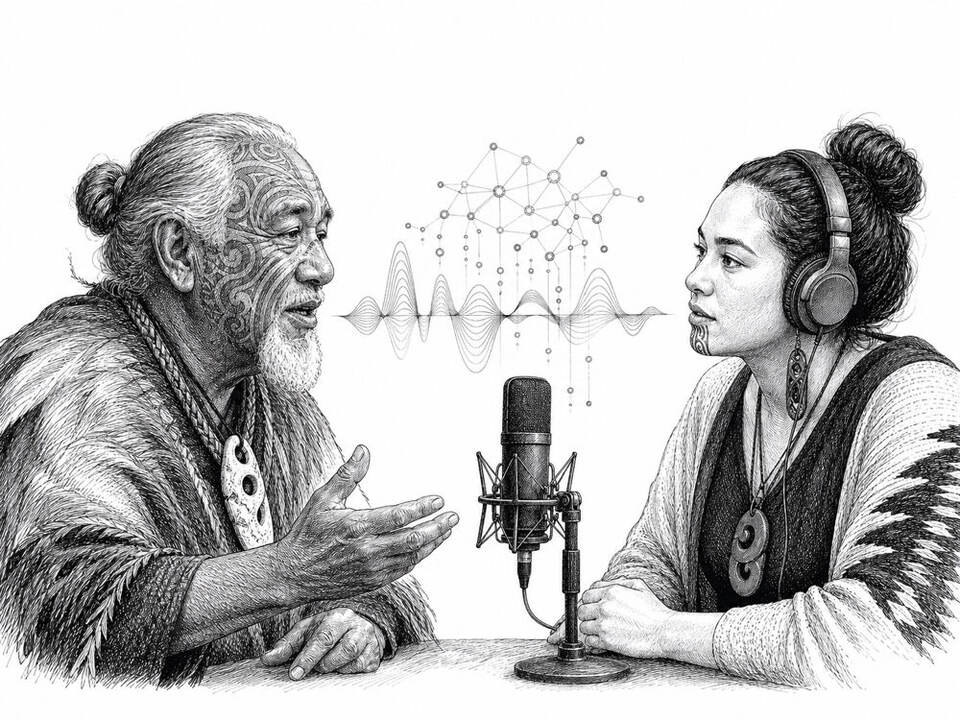
A Māori-led speech recognition system transcribes te reo Māori and keeps language data under local control.
Source: AI For Good
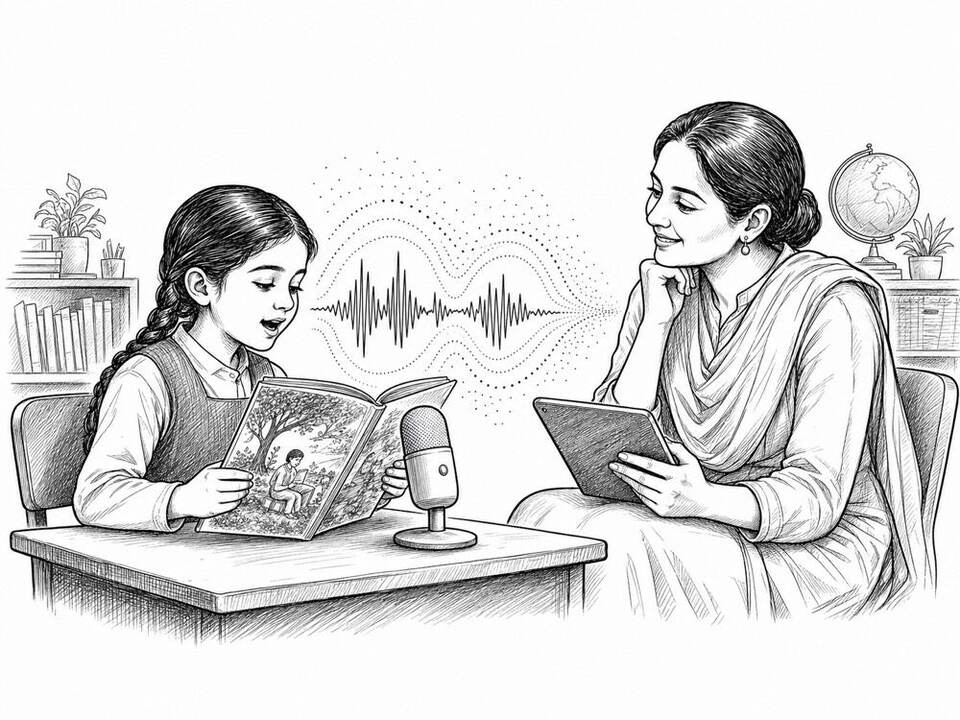
An AI reading tutor that listens to children read aloud and immediately provides targeted practice and feedback in English and Spanish.
Source: AI For Good
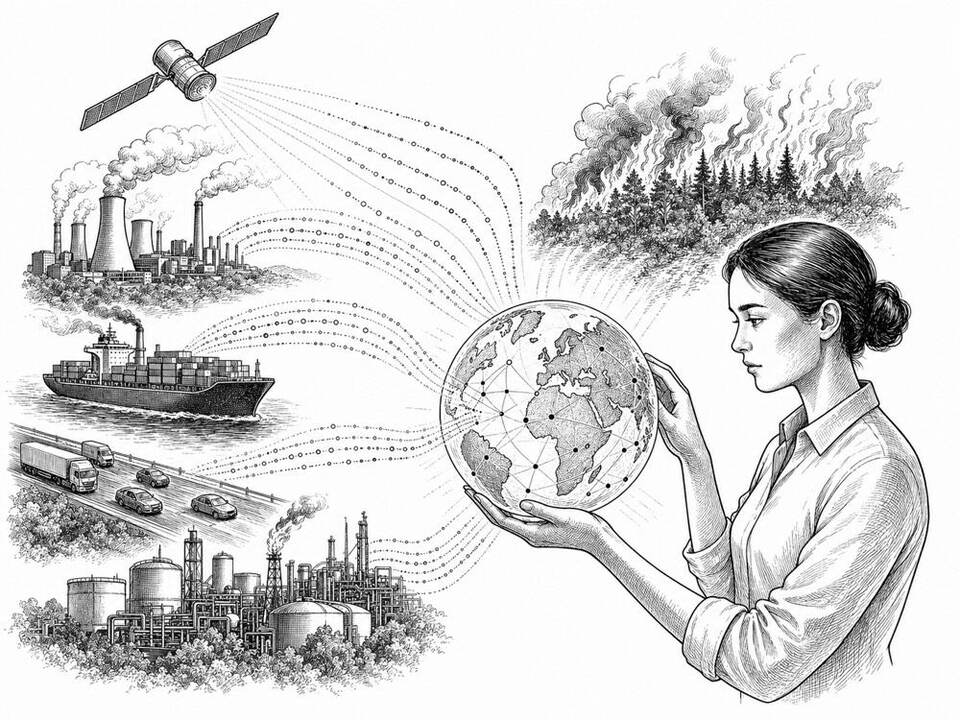
An open database uses satellite imagery and machine learning to make emissions visible down to the level of individual sources.
Source: AI For Good
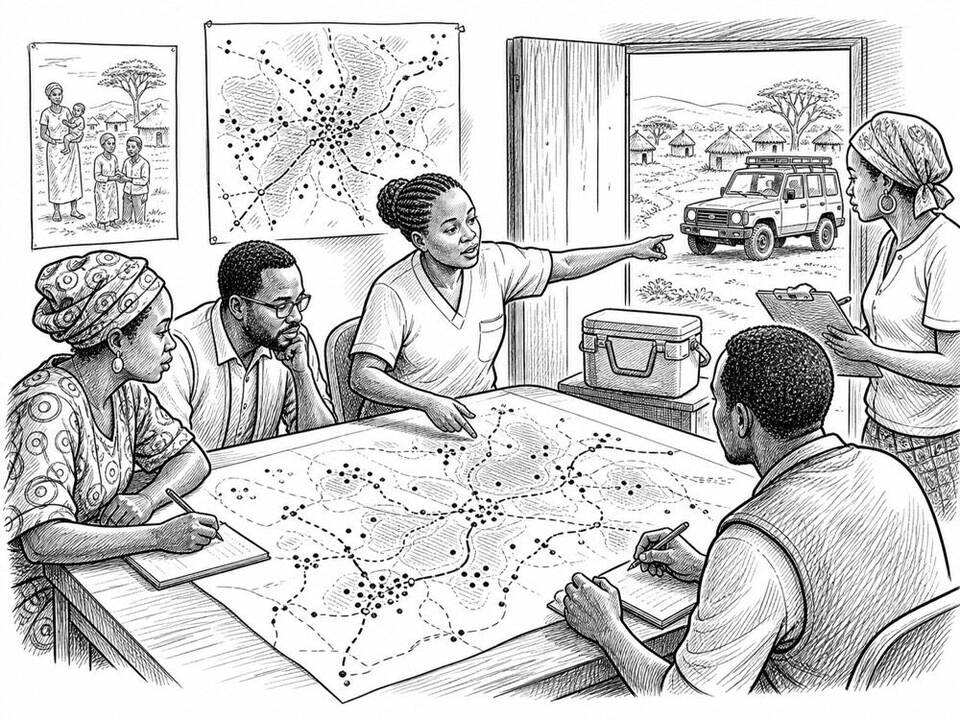
Machine learning fills in missing population maps, enabling governments to plan vaccinations, censuses, and other public services more precisely.
Source: AI For Good
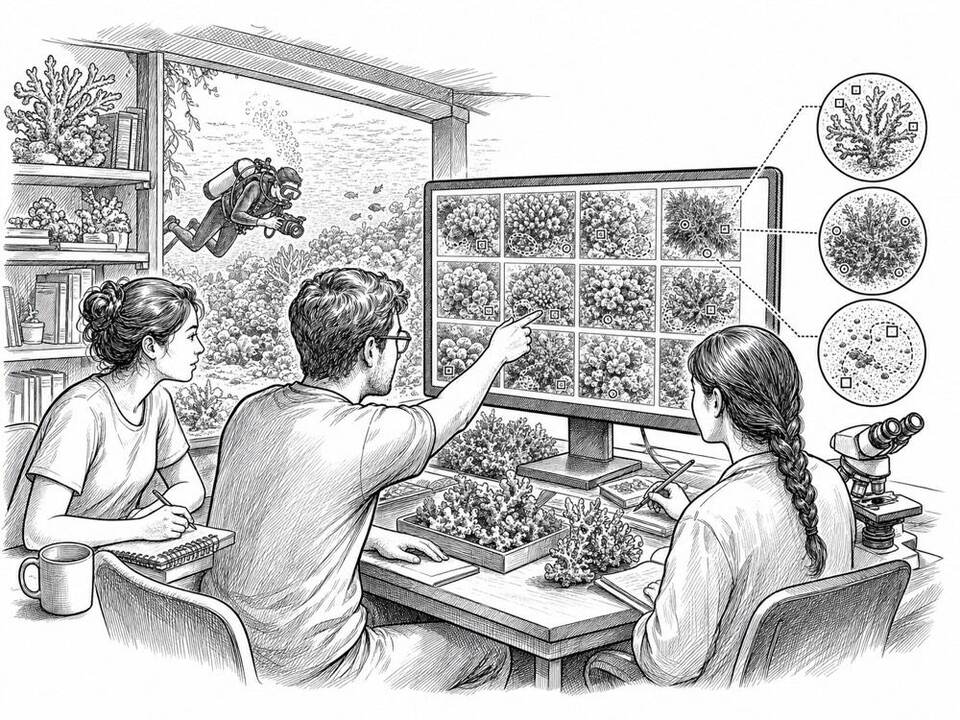
A free, open platform that uses image recognition to help coral reef researchers annotate large volumes of underwater photos faster.
Source: AI For Good
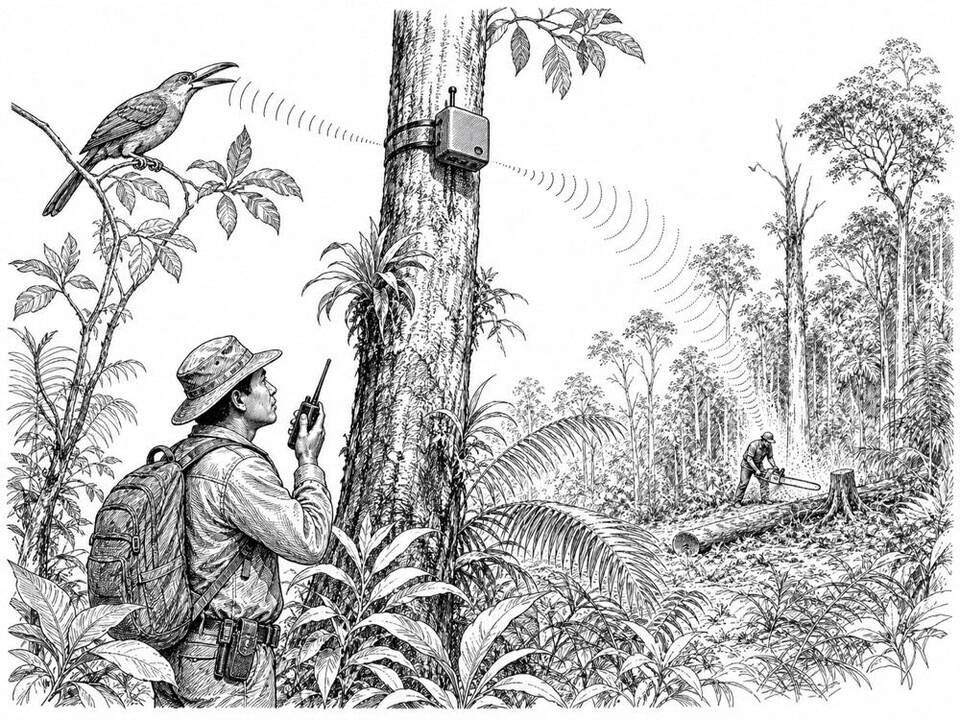
Acoustic sensors and AI that recognize threats and animal sounds in forests and alert local protectors.
Source: AI For Good
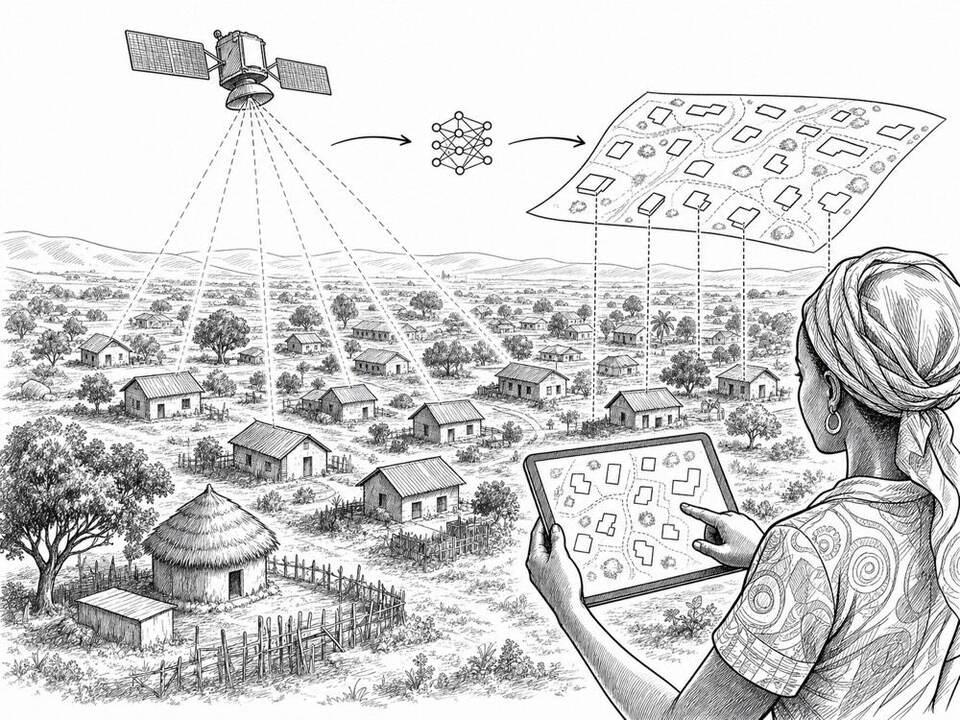
AI extracts building outlines from satellite imagery and makes them available as an open map layer for regions lacking good base maps.
Source: AI For Good
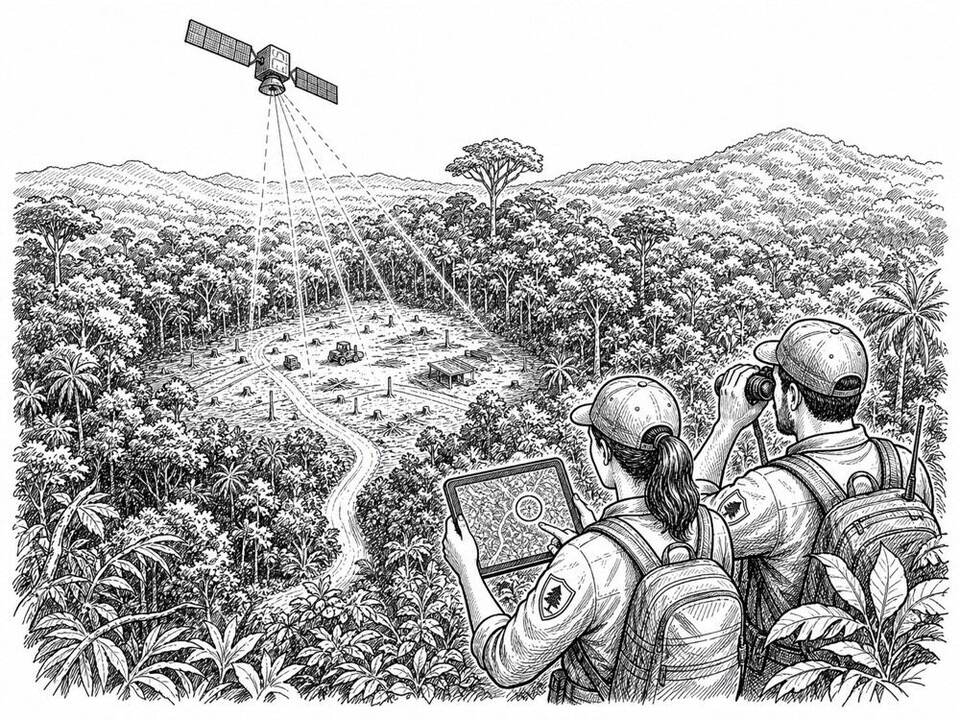
Satellite systems detect forest disturbance almost immediately; a deep-learning model helps identify in the tropics whether agriculture, mining, fire, or flooding is the cause.
Source: AI For Good
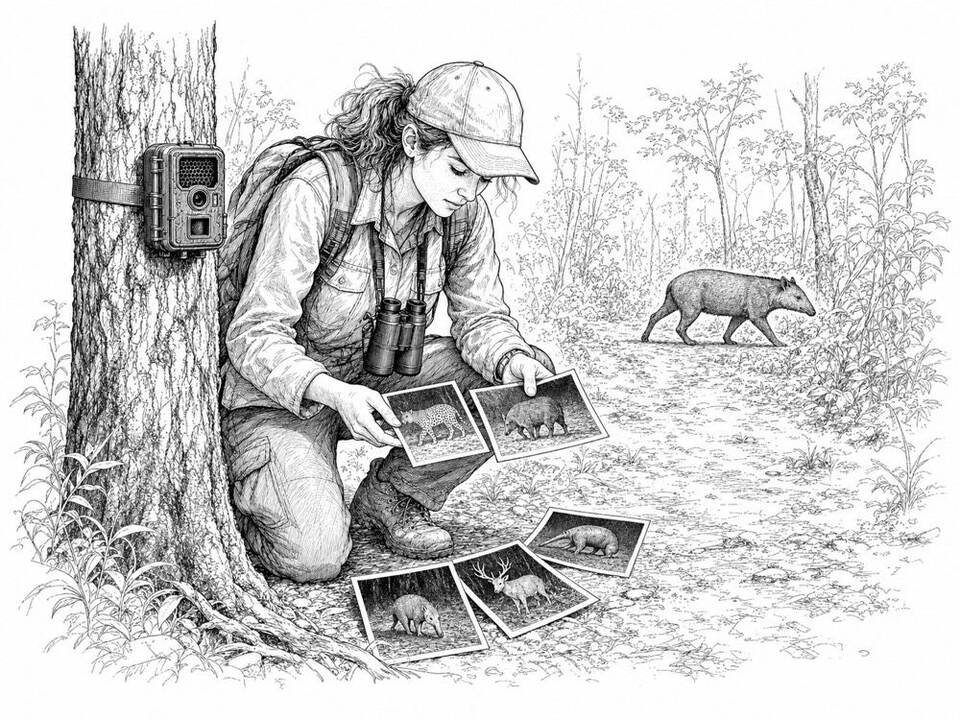
An open platform that sorts camera-trap images with AI and suggests species, enabling conservationists to measure biodiversity faster.
Source: AI For Good
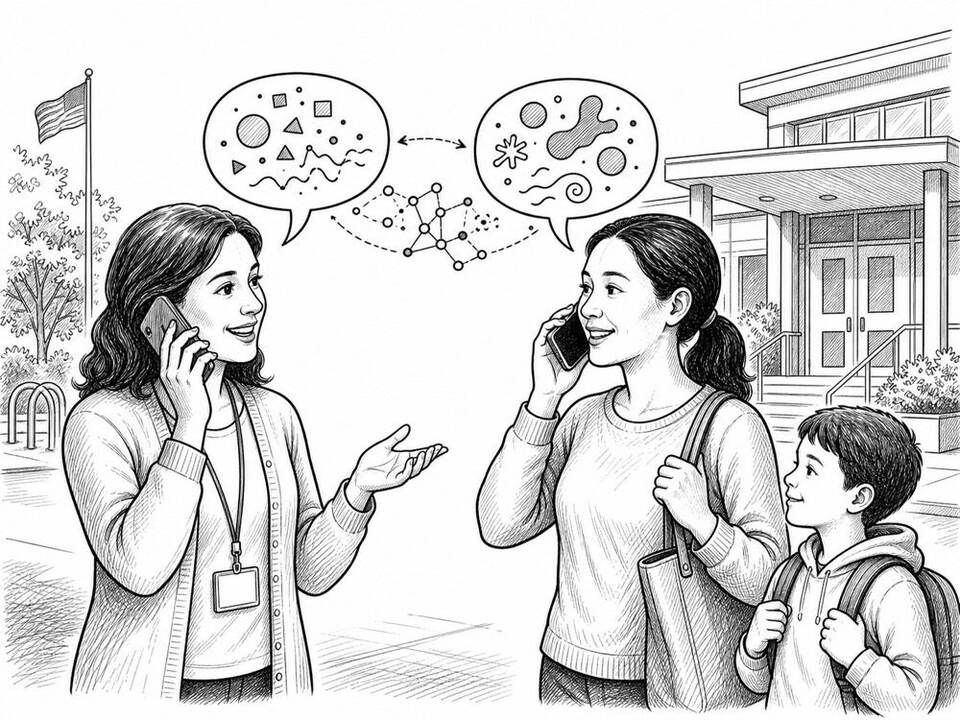
A non-profit platform translates messages between schools and families in more than 150 languages and helps teachers write more clearly and accessibly.
Source: AI For Good
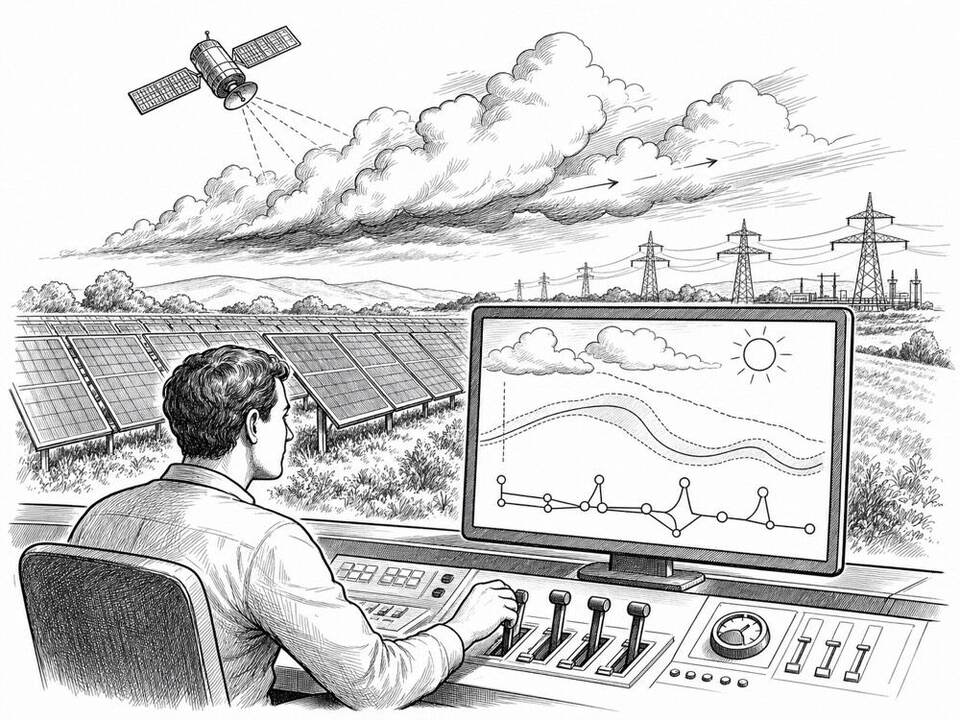
Operational AI forecasting that shows the British grid operator how much solar power is likely to be available in the coming hours.
Source: AI For Good
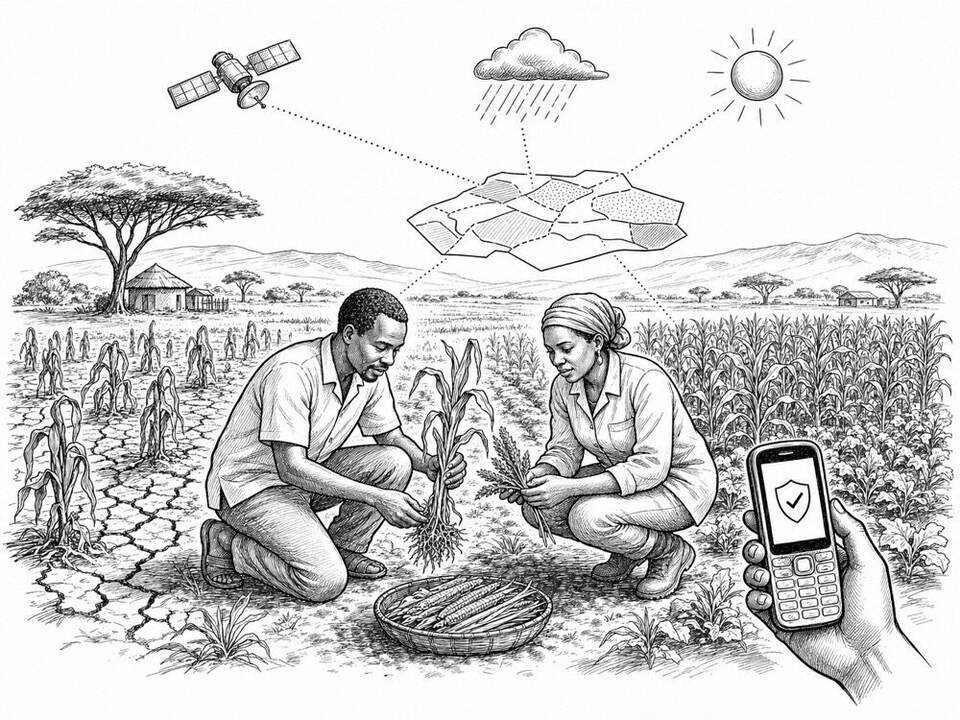
Data-driven crop insurance that protects smallholder farmers against drought, flooding and other losses without costly individual damage inspections.
Source: AI For Good
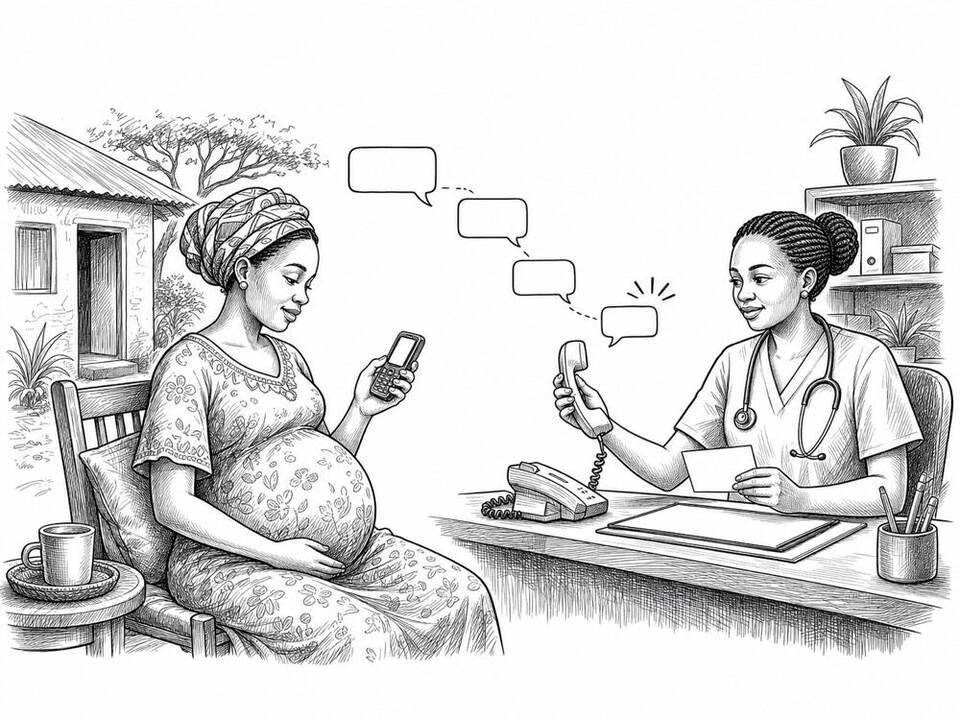
Free SMS service that provides pregnant women and new mothers with information and quickly routes medical risk signals to a human helpdesk.
Source: AI For Good
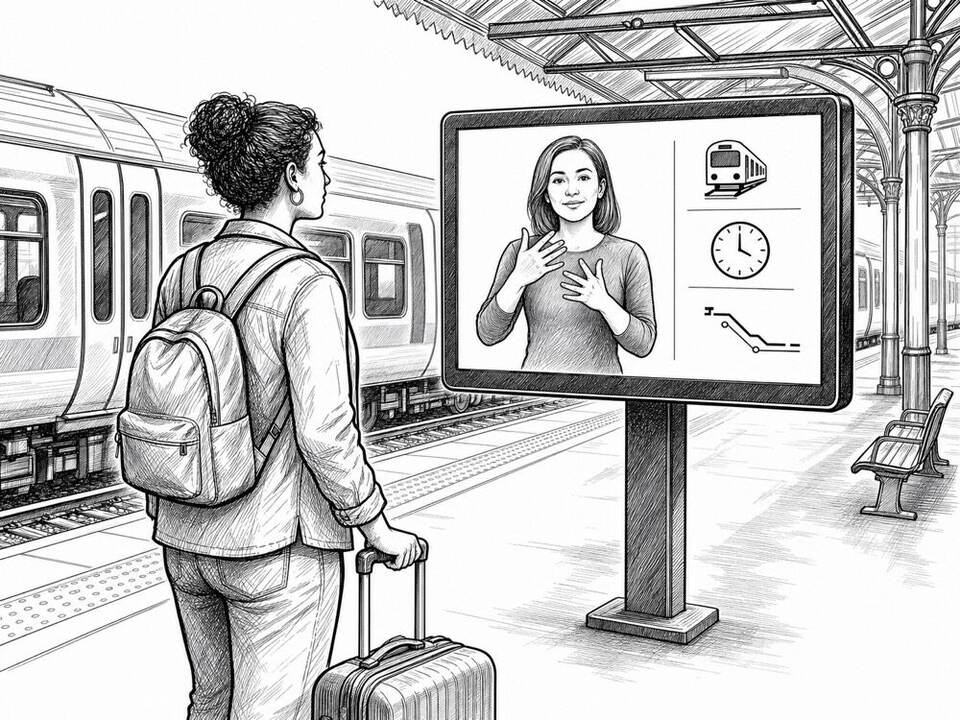
AI converts current British rail information into videos in British Sign Language for deaf travelers.
Source: AI For Good
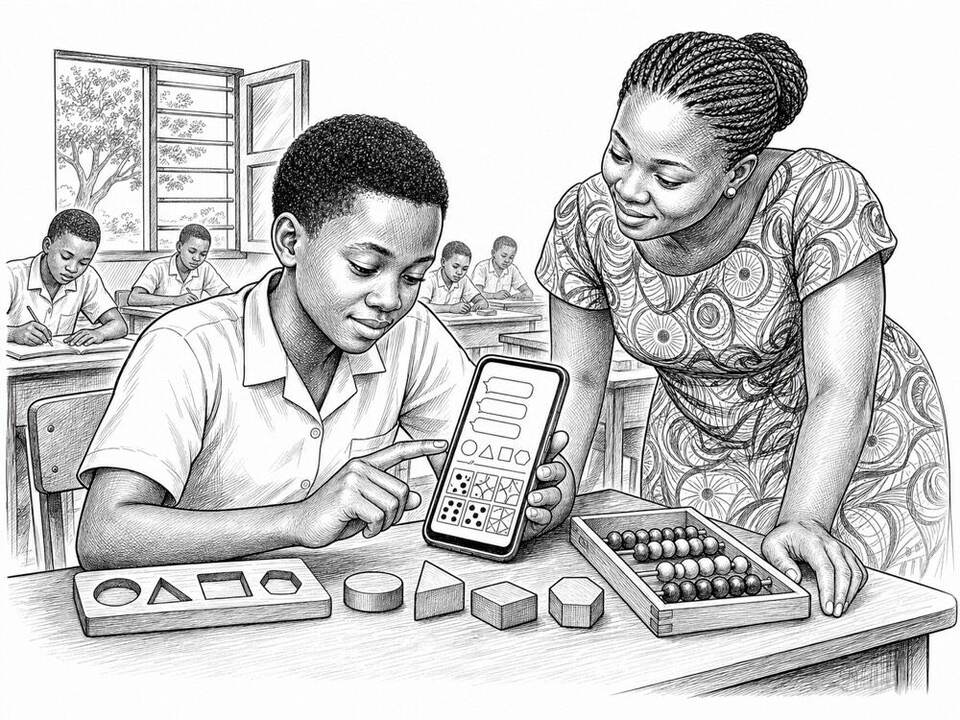
A math tutor via WhatsApp that guides students in African schools through step-by-step practice on ordinary, low-cost phones.
Source: AI For Good
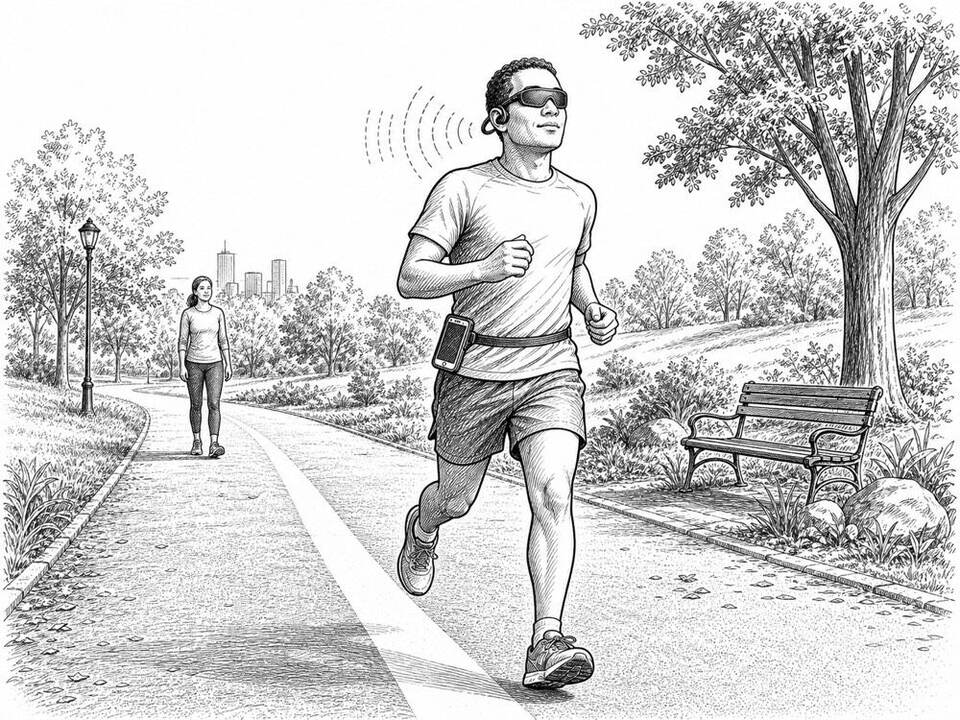
An open-source smartphone trial uses image recognition and sound to guide blind and visually impaired runners along a marked route.
Source: AI For Good
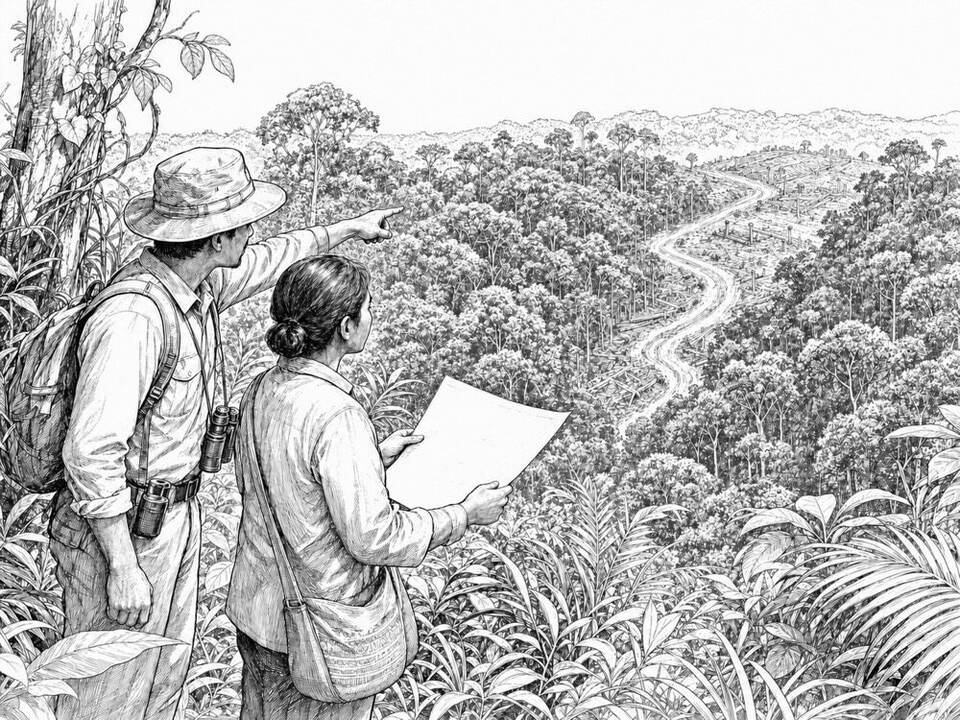
AI predicts where deforestation is likely to occur, allowing conservationists to act earlier.
Source: AI For Good
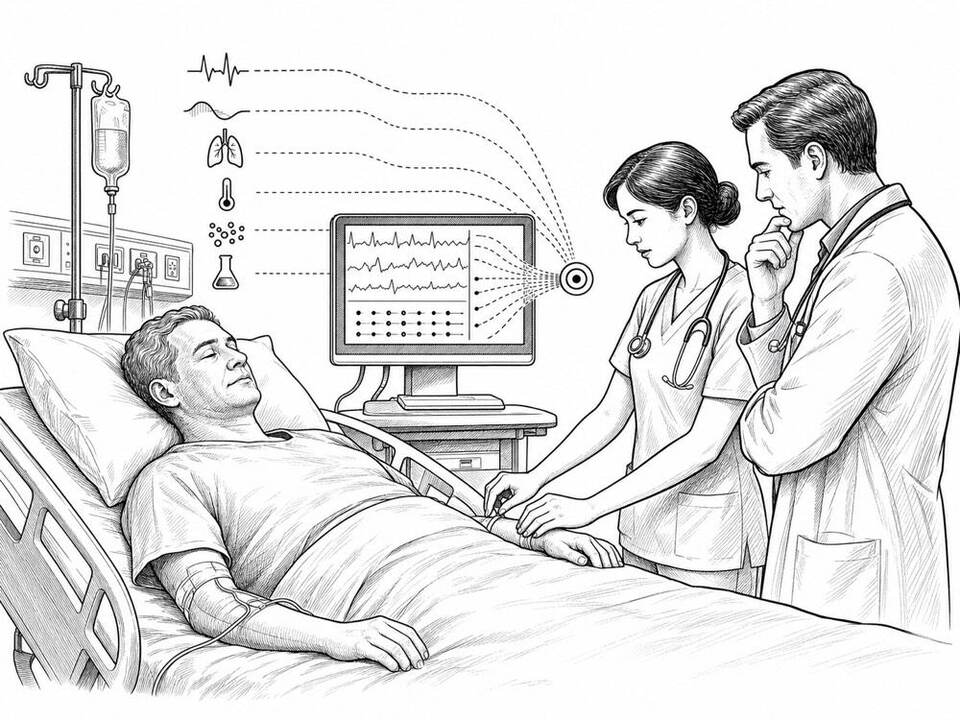
A machine-learning model alerts hospital teams when patient data points to possible sepsis.
Source: AI For Good
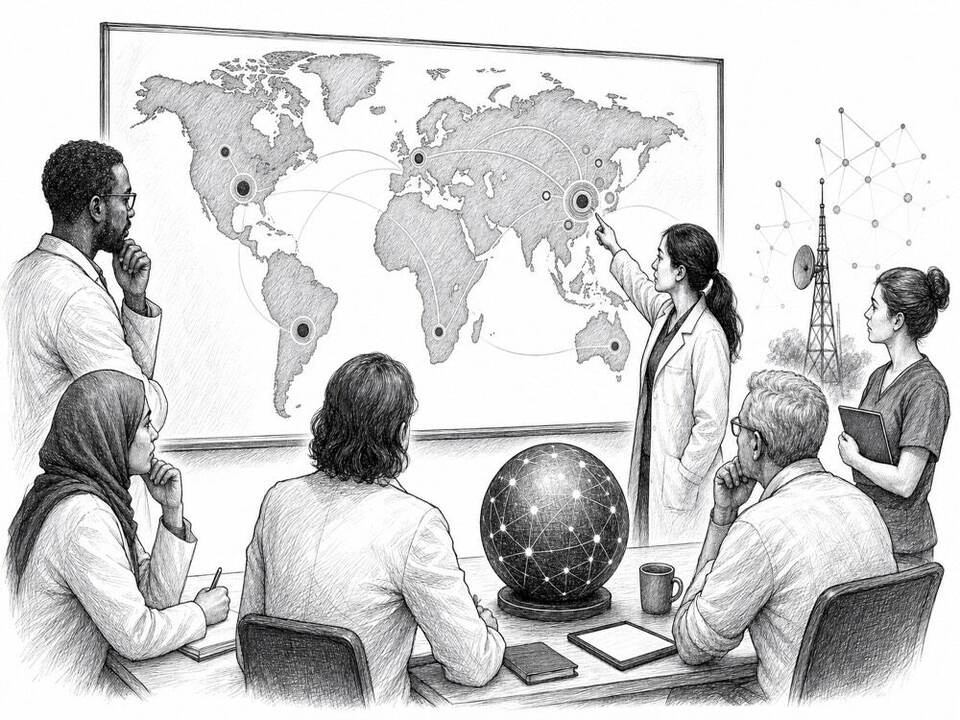
A WHO system that searches open internet sources for early signals of outbreaks and other public health threats.
Source: AI For Good
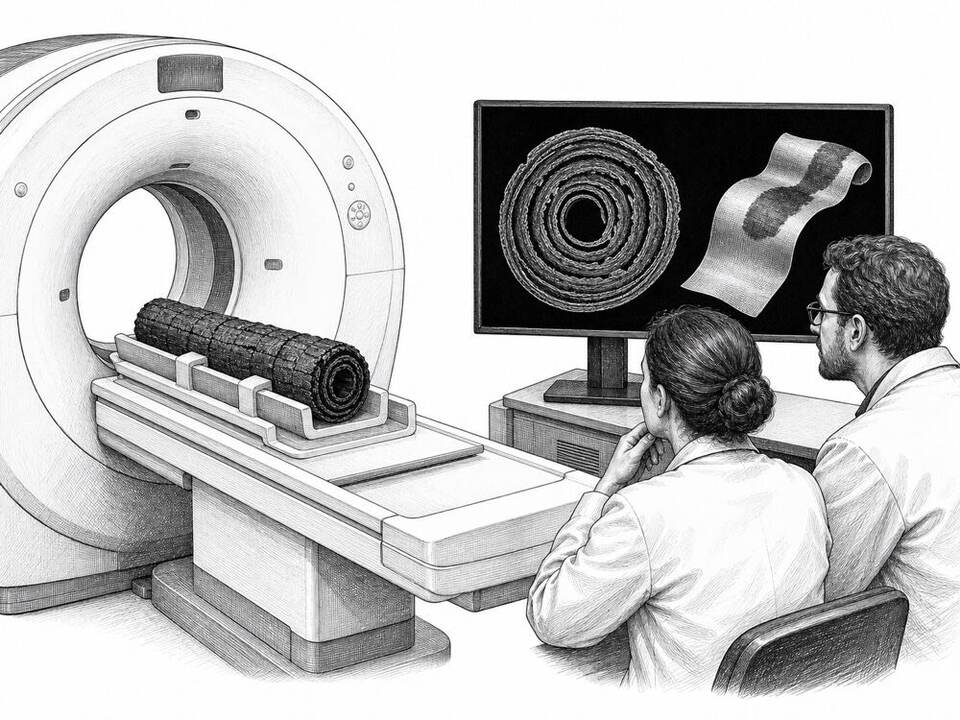
Machine learning helps read carbonized Roman papyrus scrolls without physically opening them.
Source: AI For Good
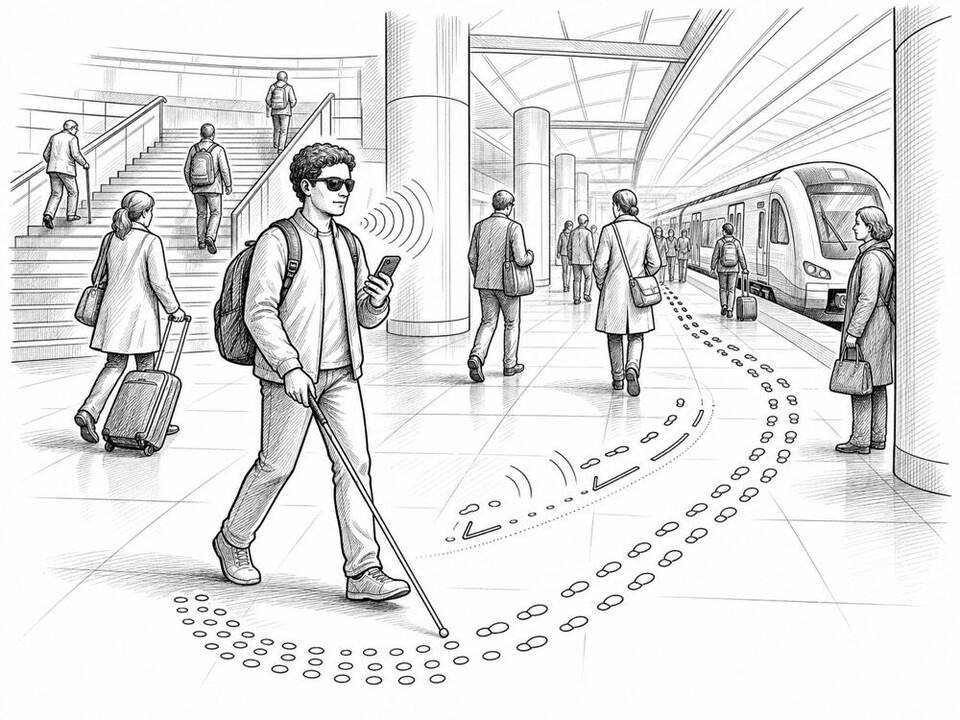
A free navigation app that guides blind and visually impaired travelers through stations and public transport with precise spoken directions.
Source: AI For Good
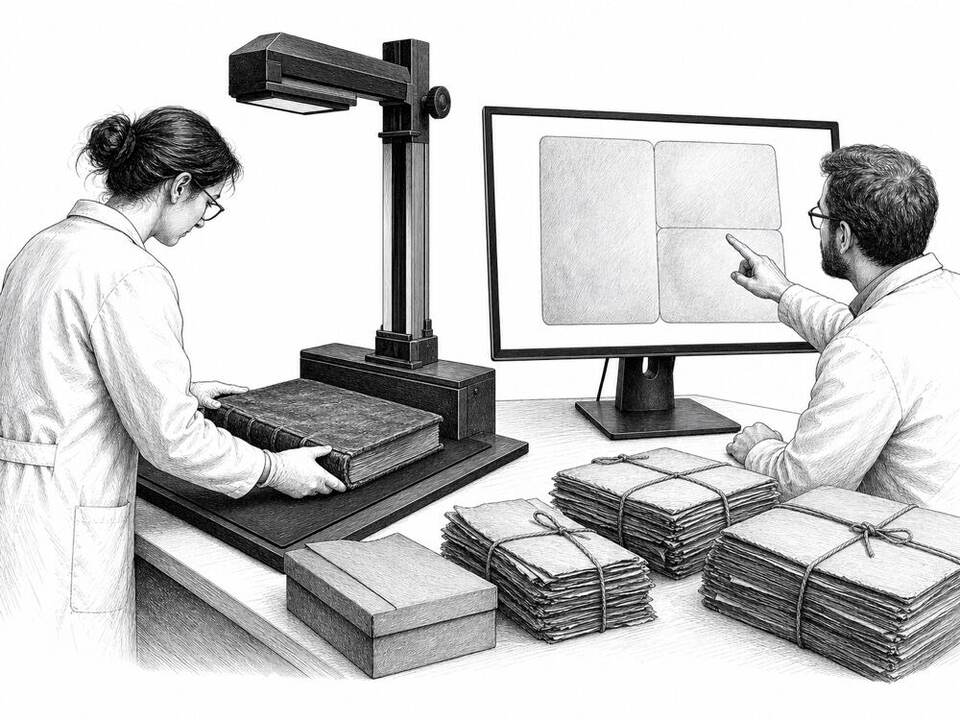
AI makes handwritten archival documents searchable and helps heritage institutions transcribe large collections faster.
Source: AI For Good
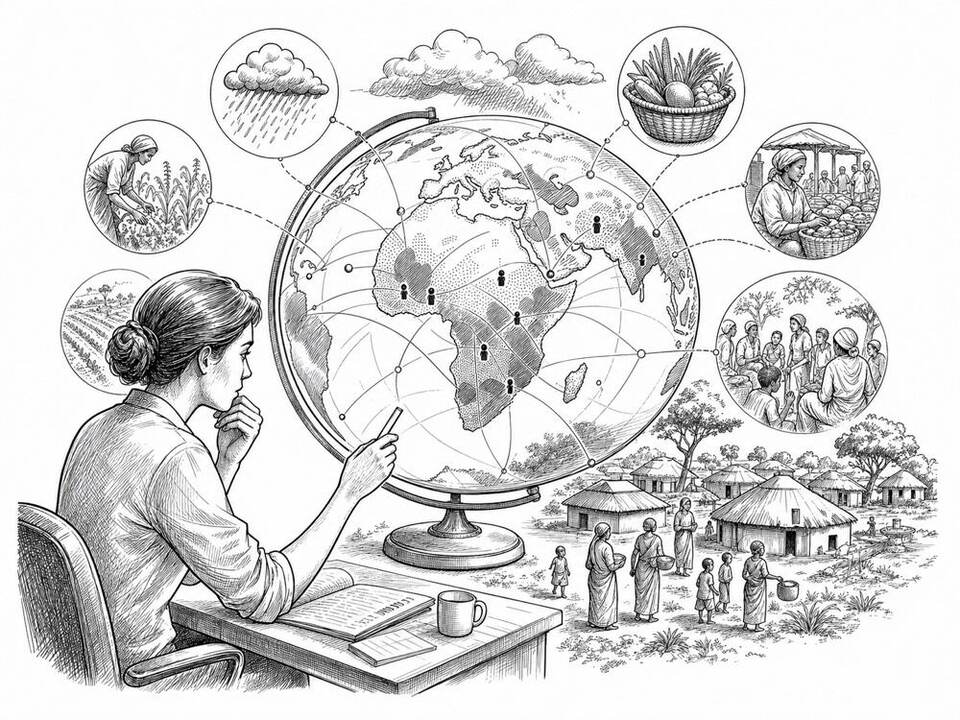
A data platform uses AI and statistical models to make current food insecurity and potential deterioration visible.
Source: AI For Good
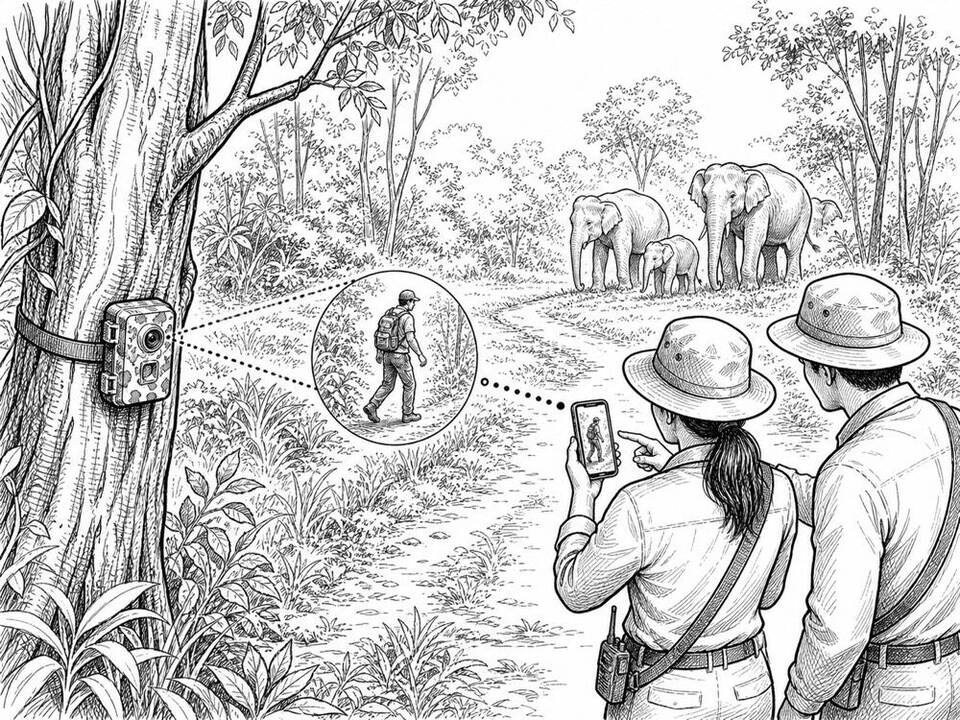
A hidden camera recognizes local animals or people and sends only relevant footage directly to rangers and nearby residents.
Source: AI For Good
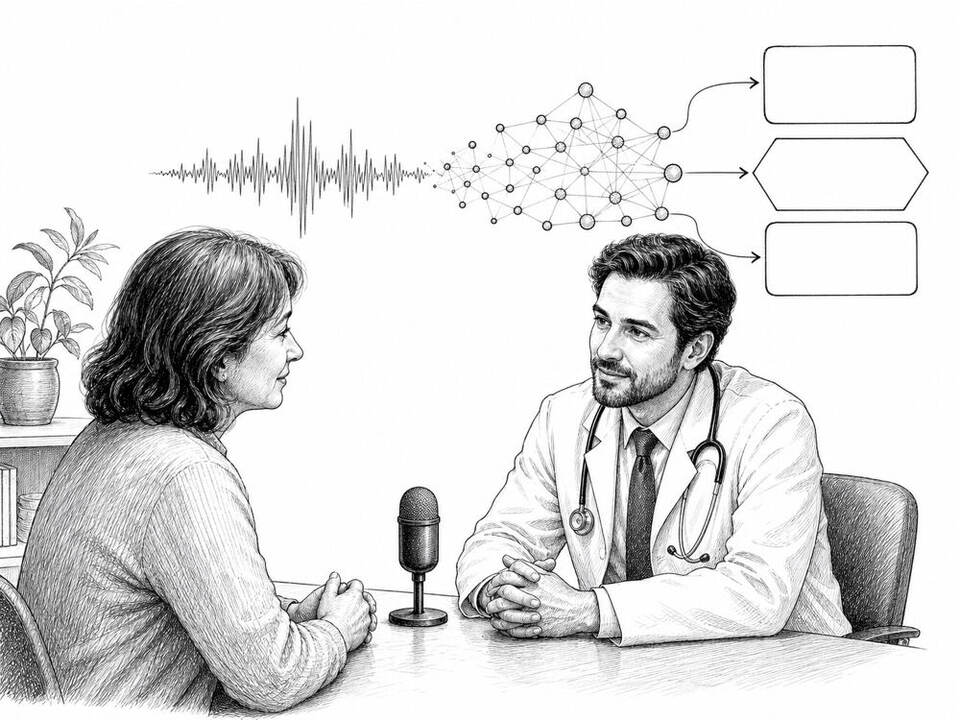
AI from Eindhoven that turns a doctor-patient conversation into a draft note for the medical record.
Source: AI For Good
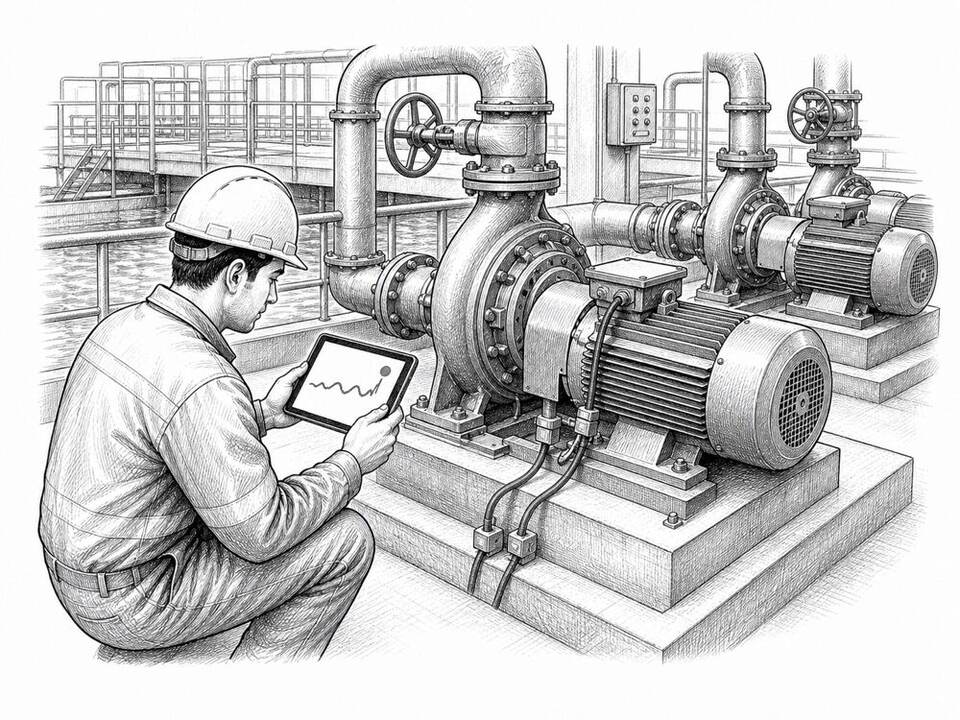
AI from Leiden that tries to detect faults in pumps and other hard-to-reach machines early.
Source: AI For Good
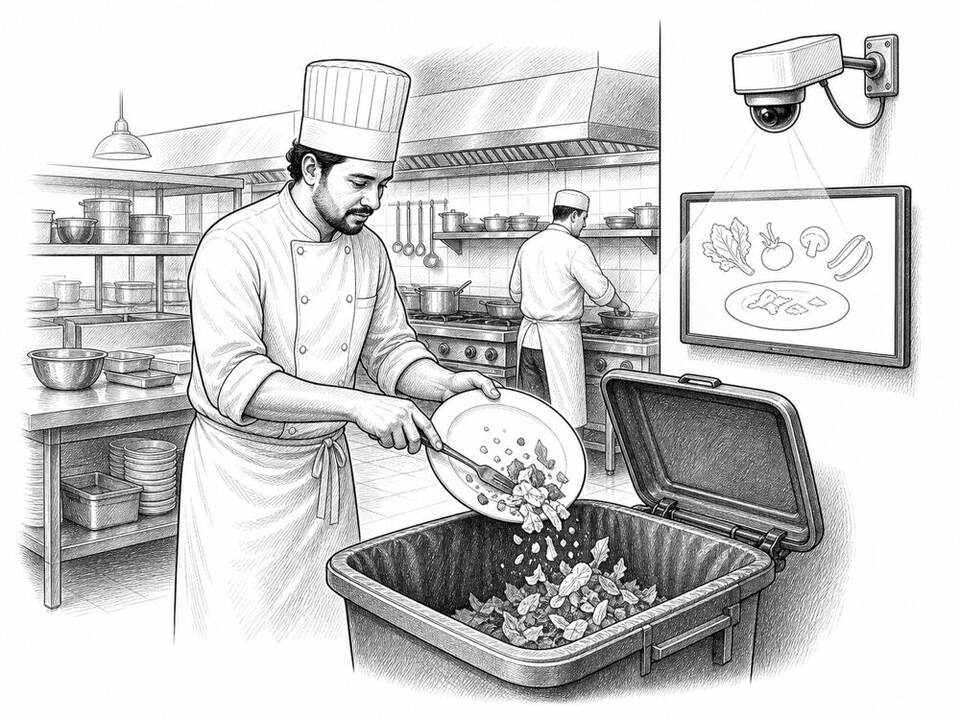
A Dutch camera above the trash bin that recognizes and measures wasted food in professional kitchens.
Source: AI For Good
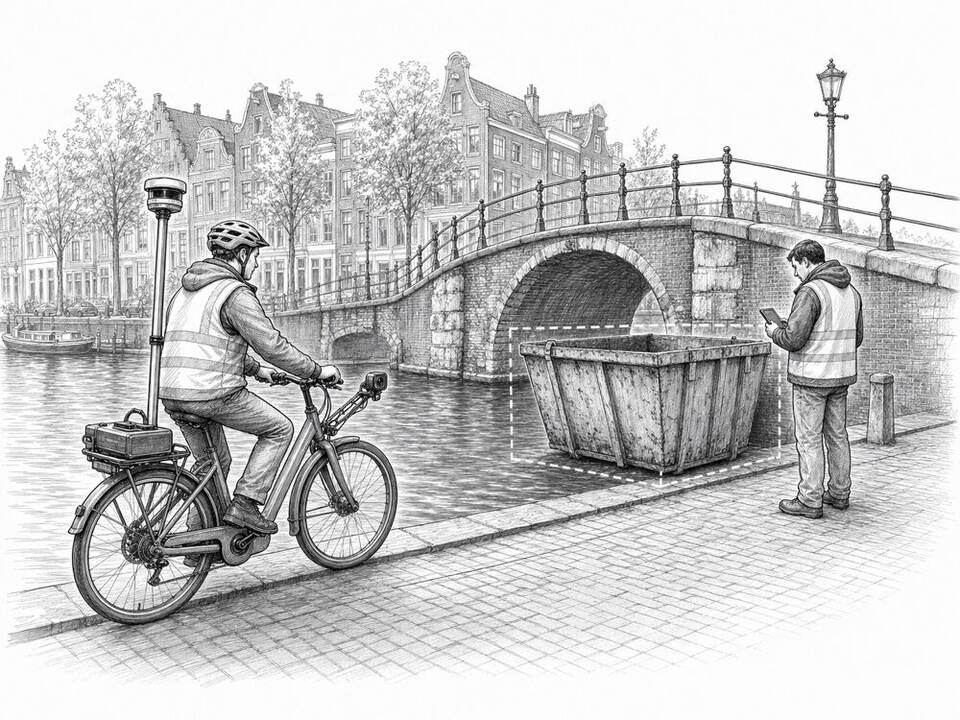
Amsterdam's Scan Bike uses image recognition to locate heavy objects near vulnerable bridges and quay walls for inspection by a supervisor.
Source: AI For Good
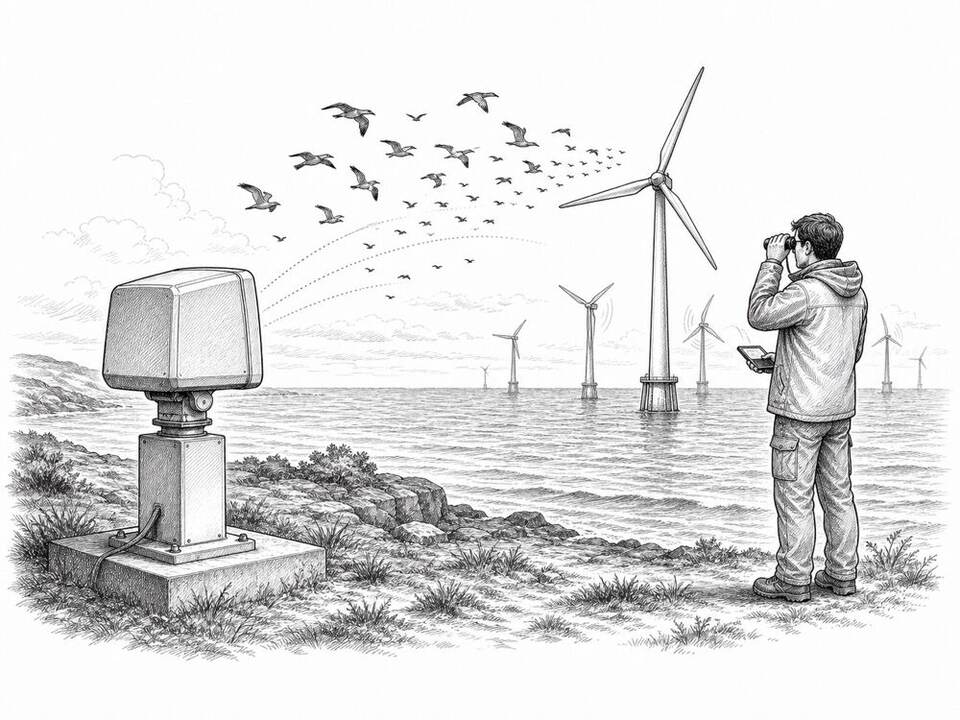
A Dutch bird radar that can automatically stop wind turbines at Maasvlakte 2 when risky birds approach.
Source: AI For Good
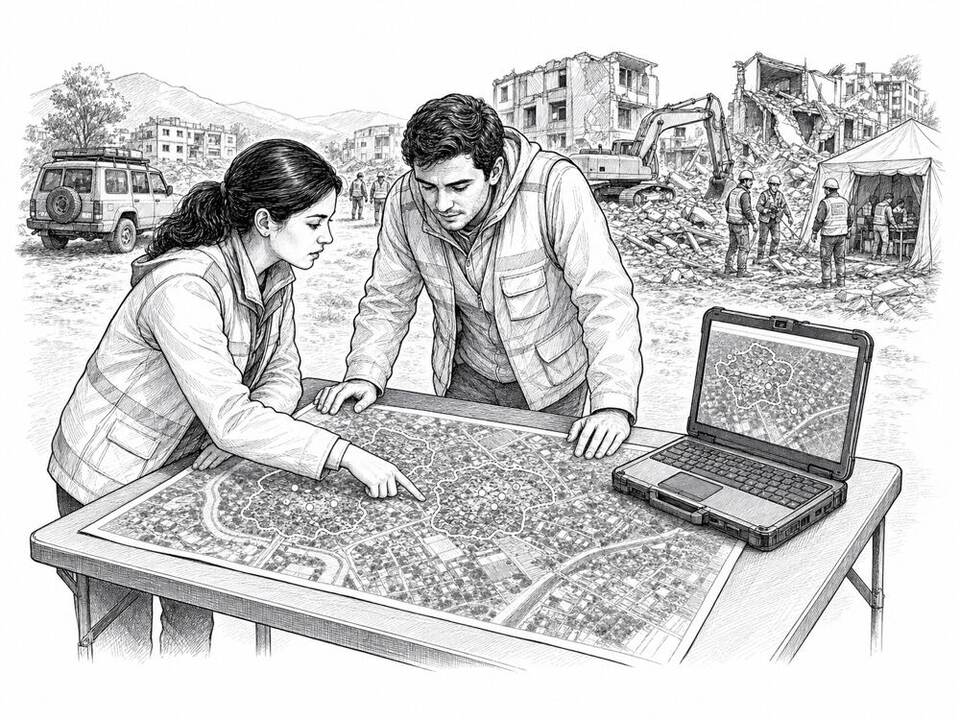
AI from the Dutch Red Cross that compares satellite images to map building damage after disasters faster.
Source: AI For Good
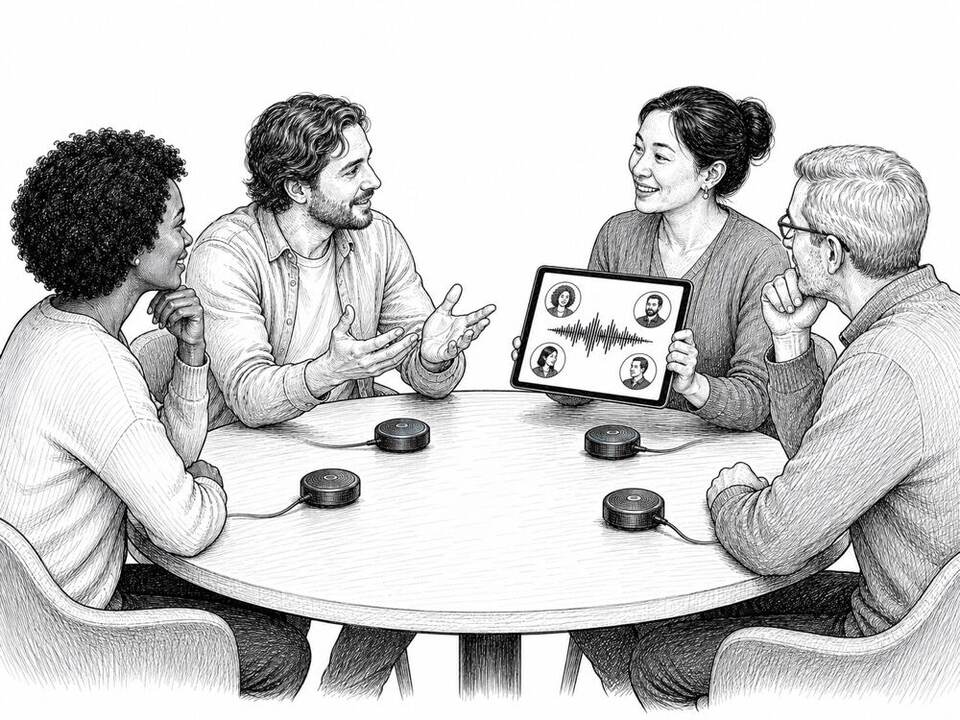
A Dutch microphone system that live-subtitles group conversations for deaf and hard-of-hearing people.
Source: AI For Good
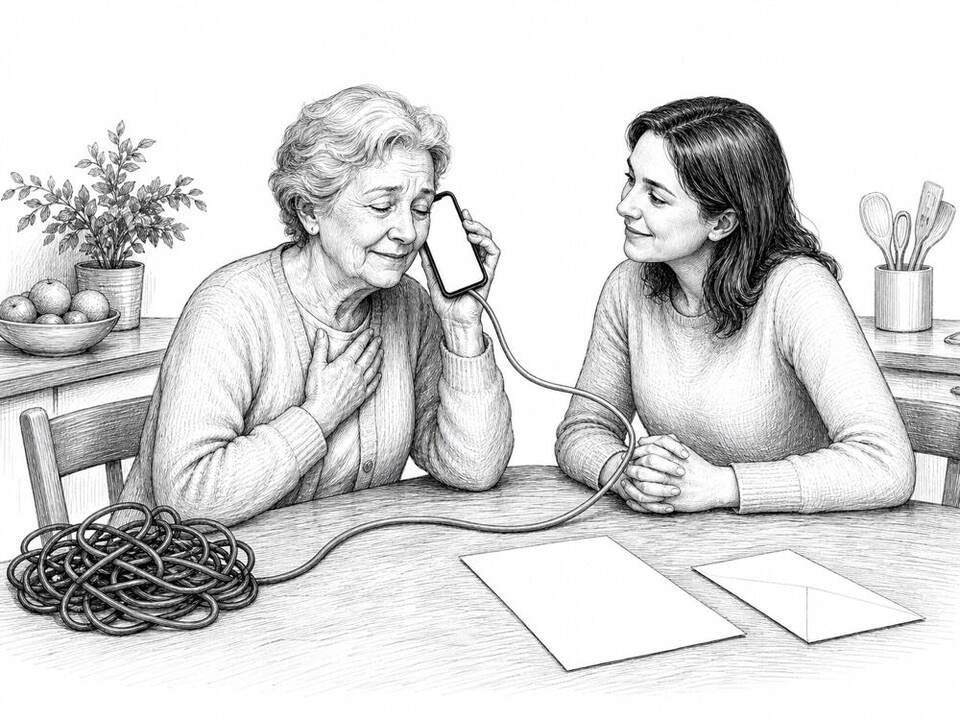
A free Dutch app that summarizes complex letters in simple language and can read them aloud or translate them.
Source: AI For Good
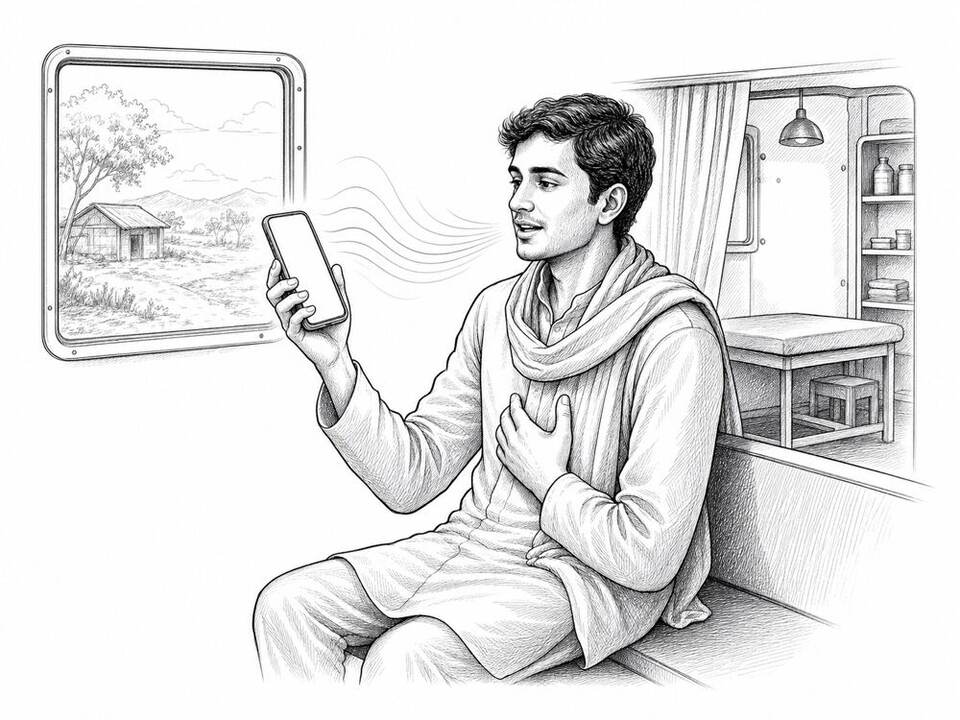
An app from Leiden that converts soft or strained speech during conversations into a clearer voice.
Source: AI For Good
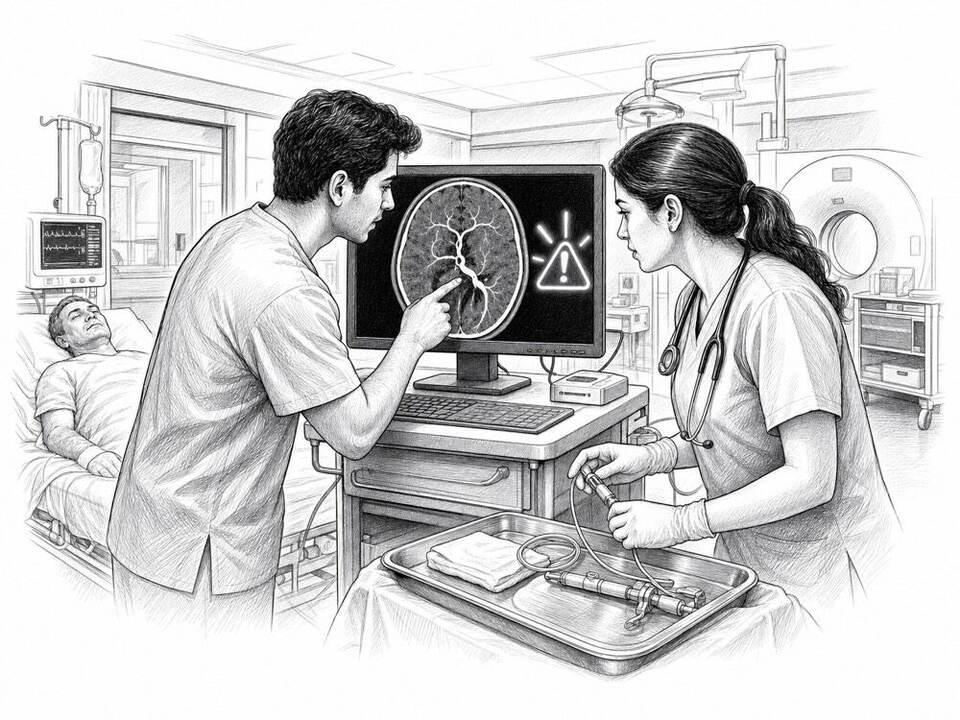
AI from Amsterdam that assesses brain scans for vascular occlusions and directly alerts the stroke team.
Source: AI For Good
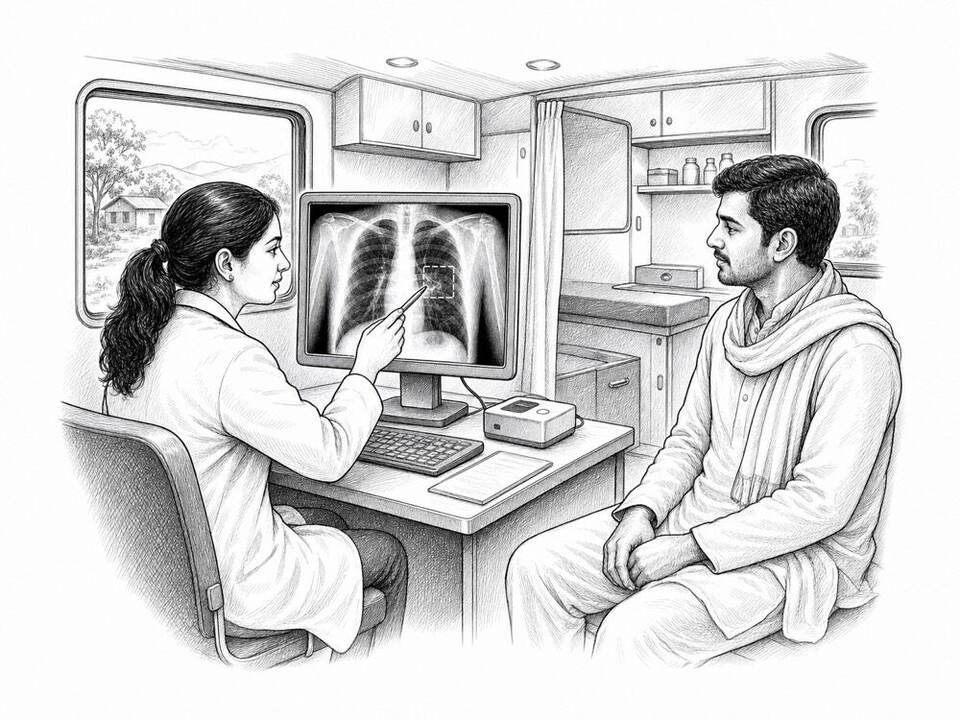
AI that evaluates chest X-rays for signs of tuberculosis, even in areas with few available radiologists.
Source: AI For Good
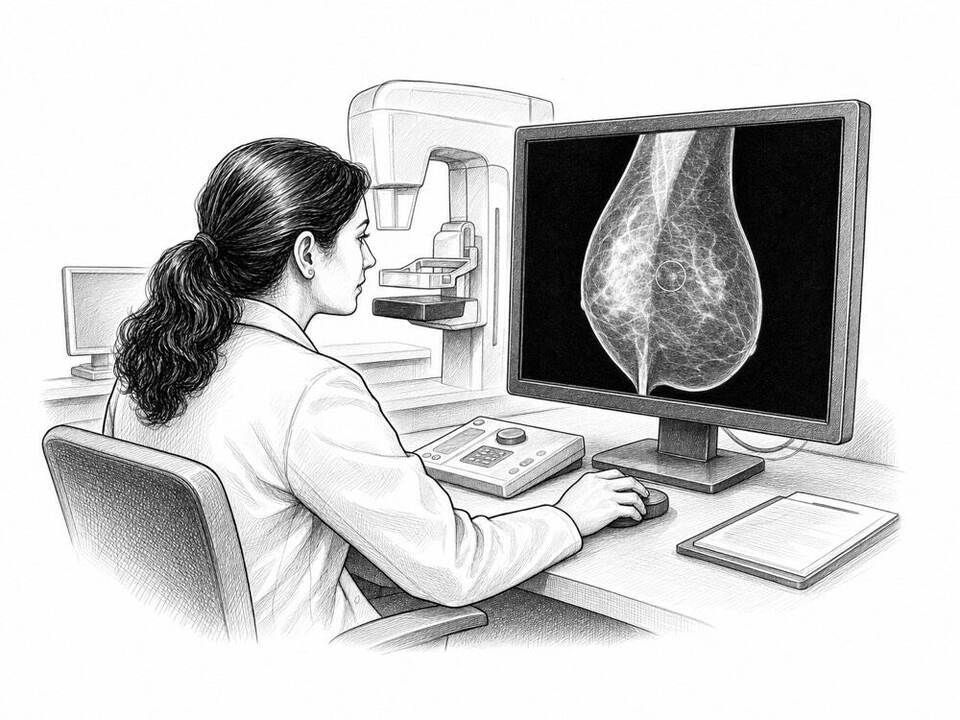
AI from Nijmegen that assesses mammograms and flags suspicious areas for the radiologist.
Source: AI For Good
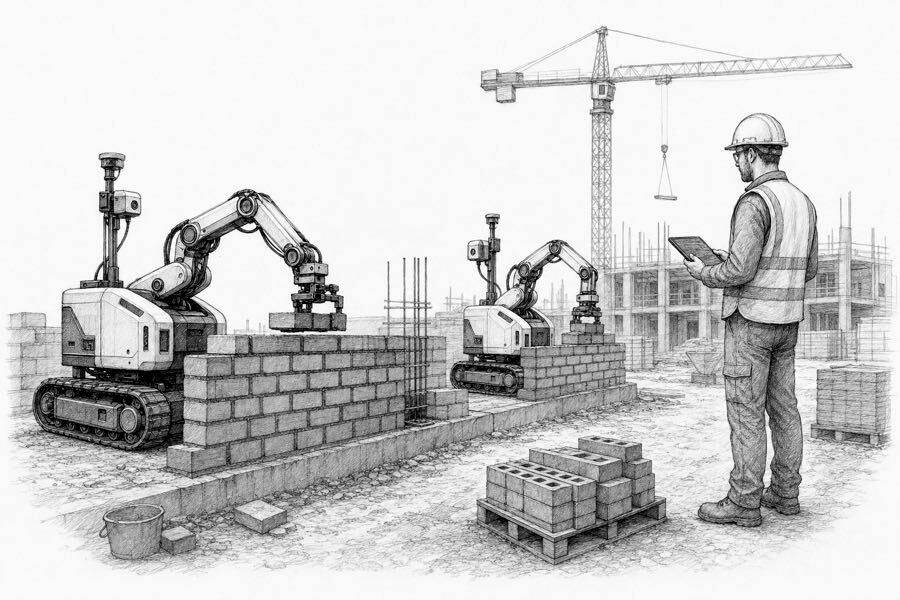
An Amsterdam startup deploying autonomous robots and AI to perform masonry work on real construction sites.
Source: AI For Good
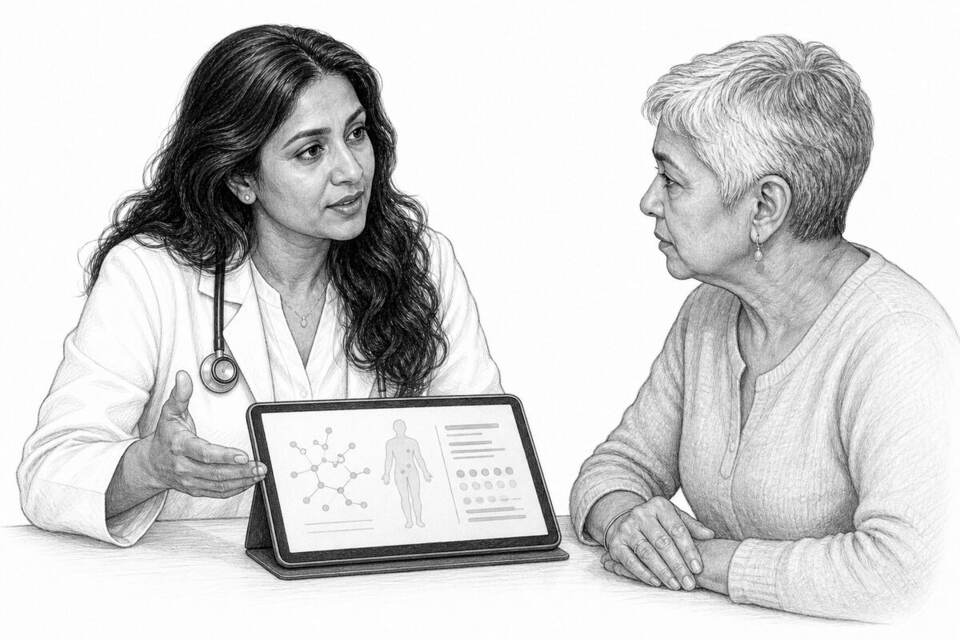
A Dutch AI search engine that lets care professionals research medical questions with verifiable source references.
Source: AI For Good
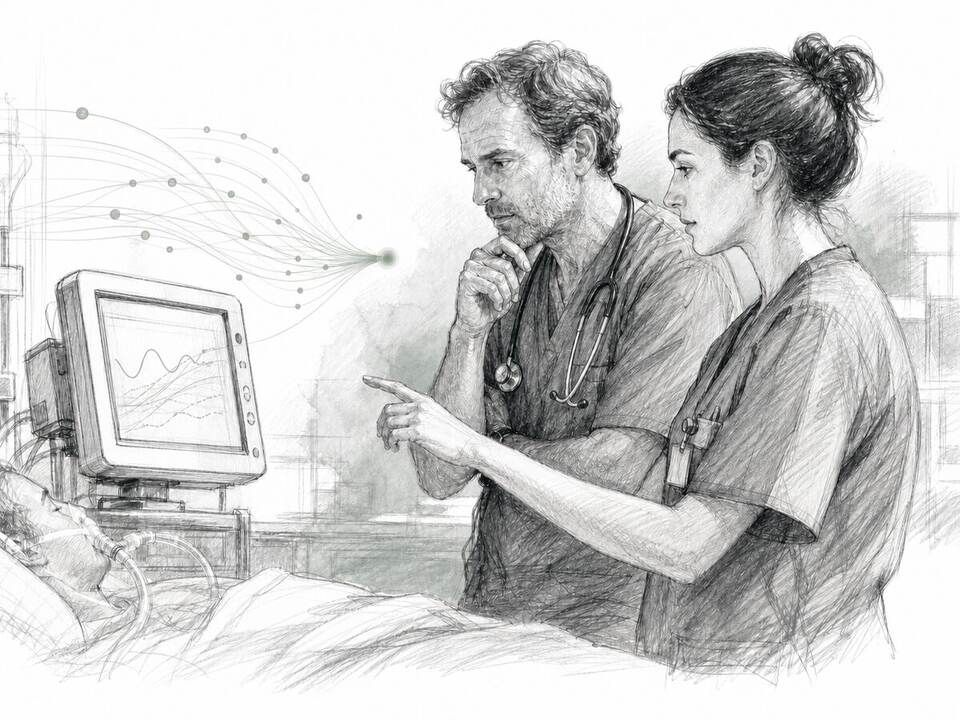
Dutch AI decision support that helps ICU teams assess the right moment to discharge a patient.
Source: AI For Good
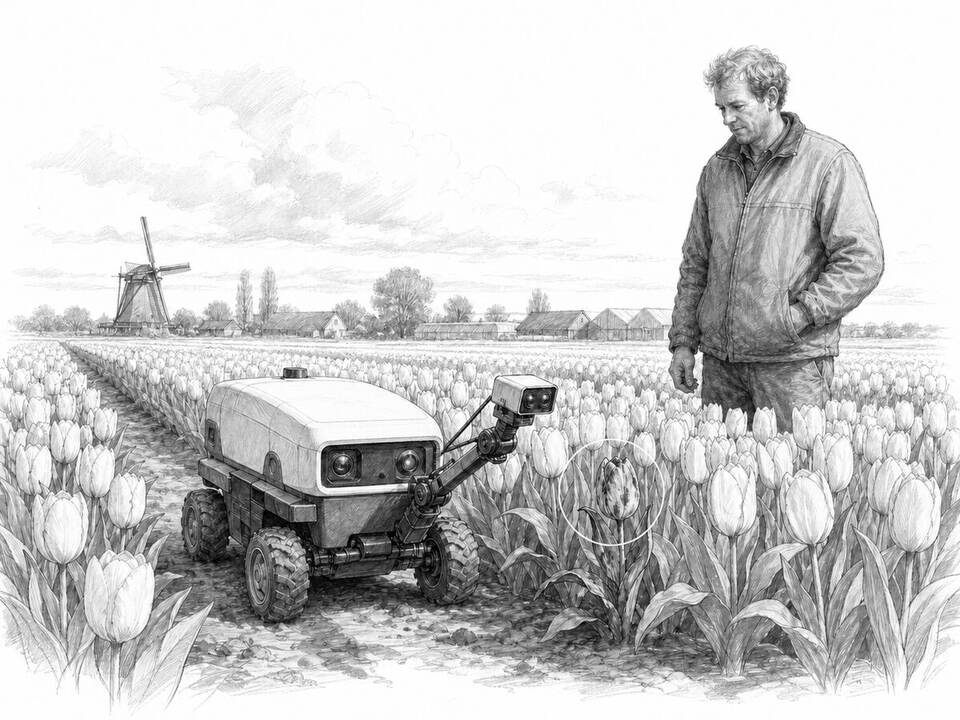
A Dutch robot that uses AI to identify sick tulips, enabling growers to intervene precisely.
Source: AI For Good
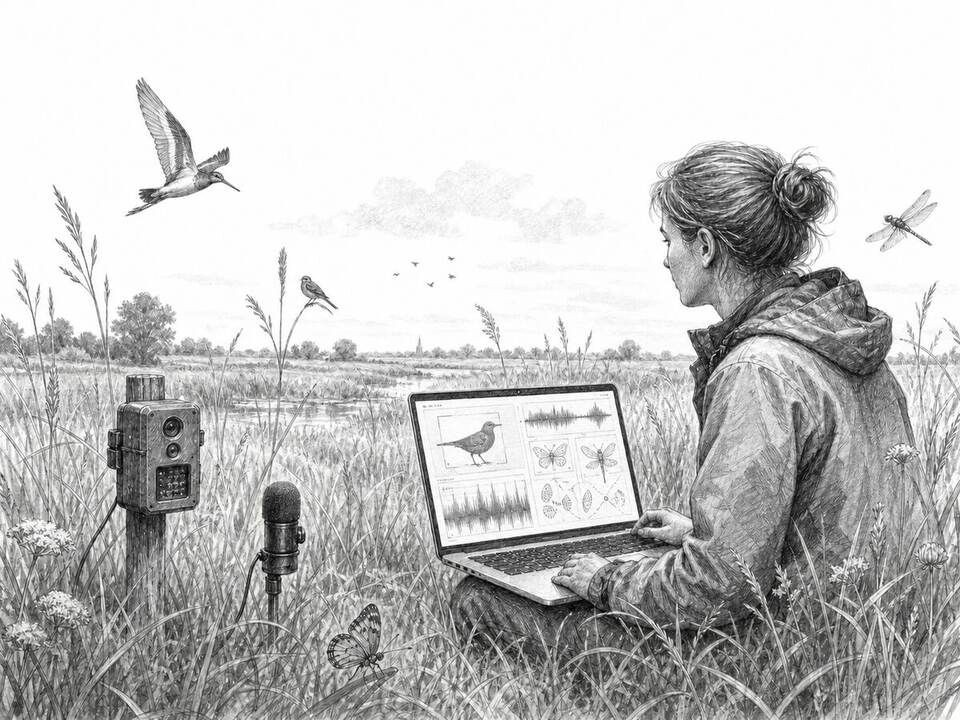
A Dutch open infrastructure using AI to identify species through images and sound, enabling better biodiversity monitoring.
Source: AI For Good
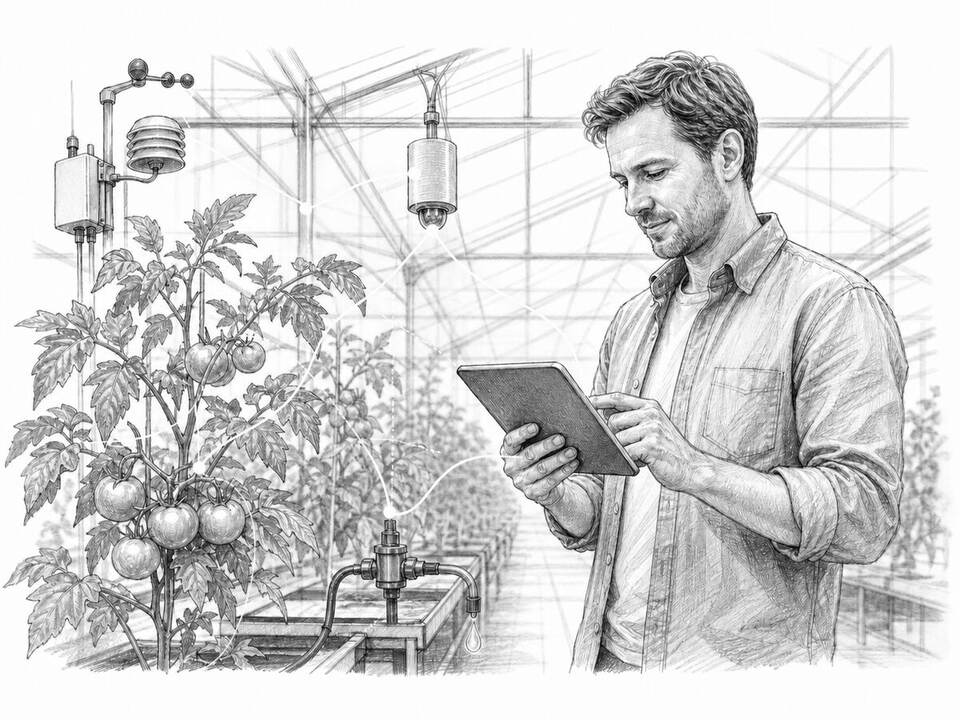
Dutch AI for greenhouse horticulture that helps growers better predict harvests and use resources more targeted.
Source: AI For Good
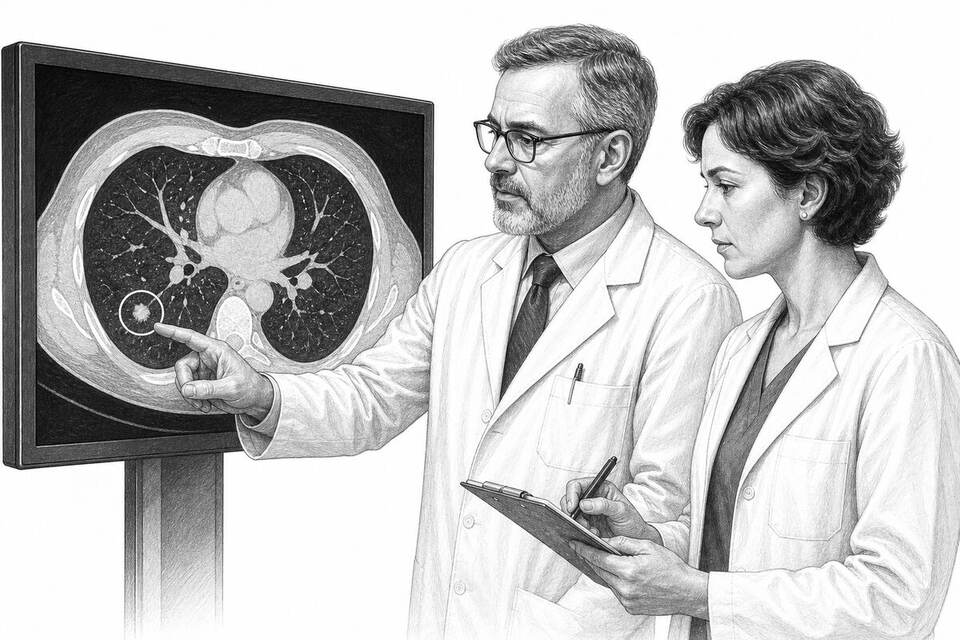
Dutch software that helps radiologists find, measure, and monitor possible lung nodules on CT scans.
Source: AI For Good
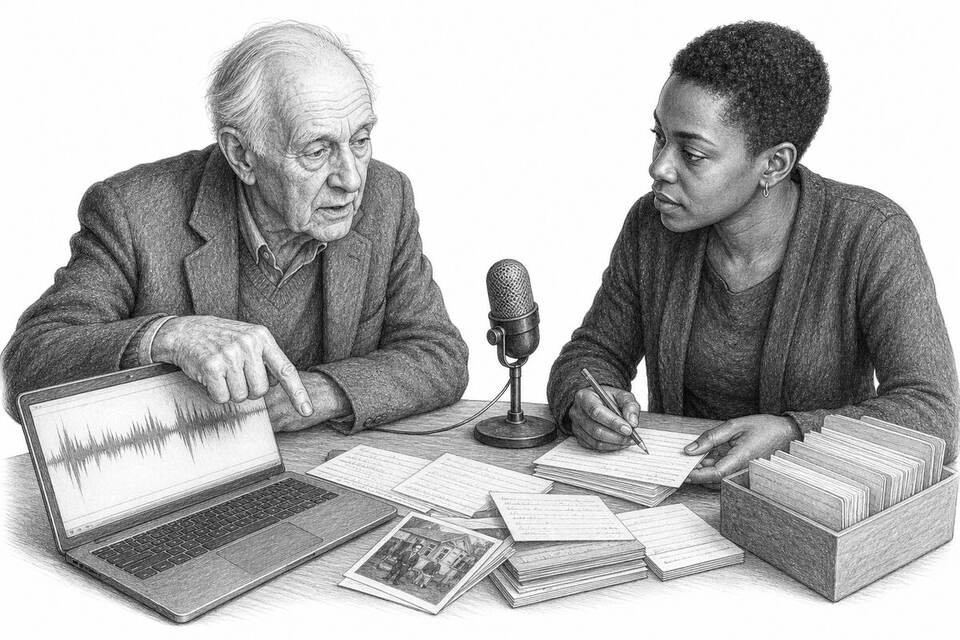
WO2Net uses AI to break down long eyewitness interviews about World War II into searchable fragments with a title and subject.
Source: AI For Good
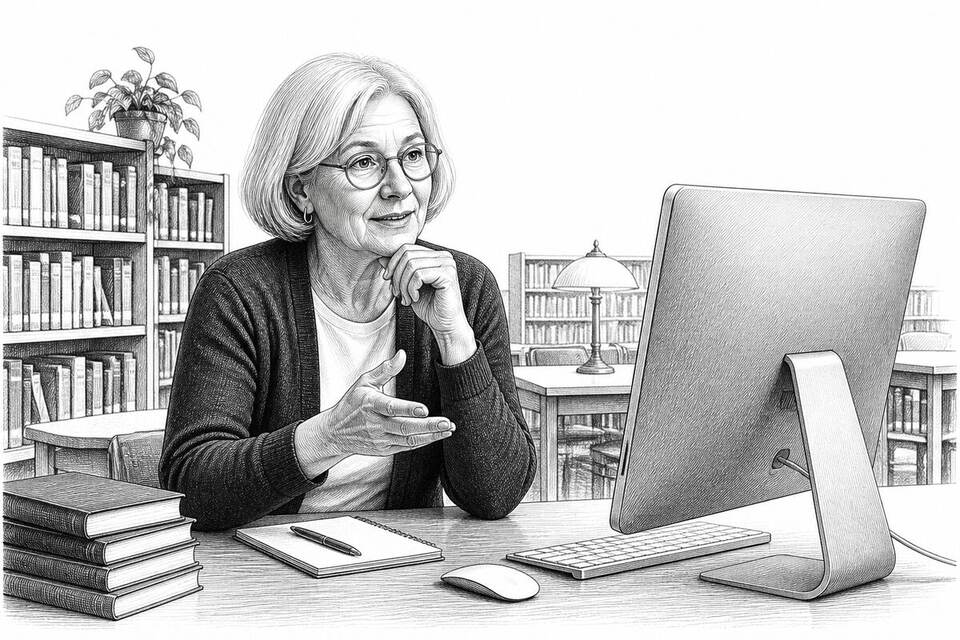
An open, Dutch-language AI chatbot trained and hosted in the EU, using open models and training data.
Source: AI For Good
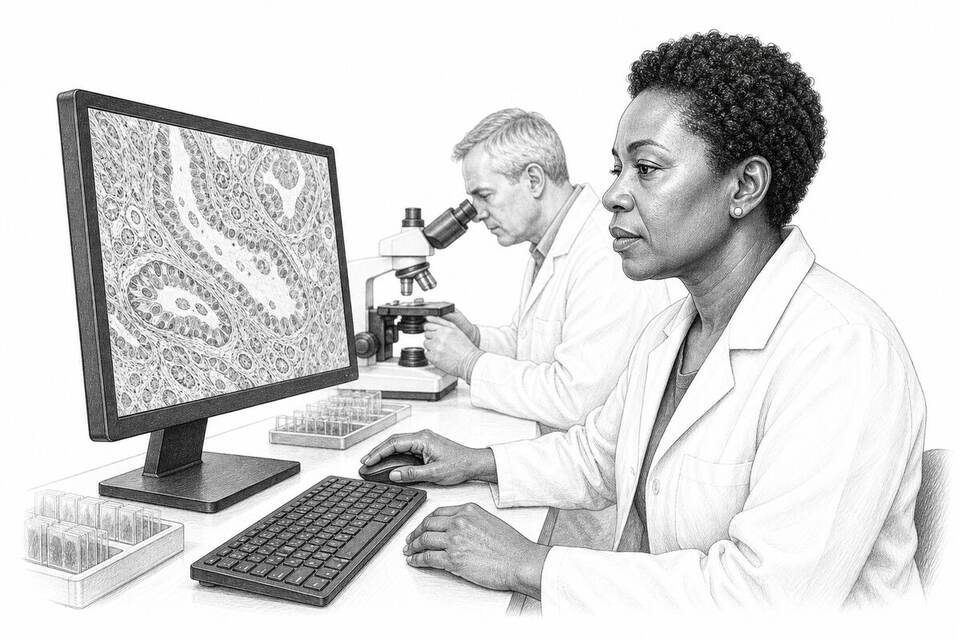
Nijmegen AI pathology helps laboratories assess digital tissue biopsies faster and more consistently, including in cancer.
Source: AI For Good
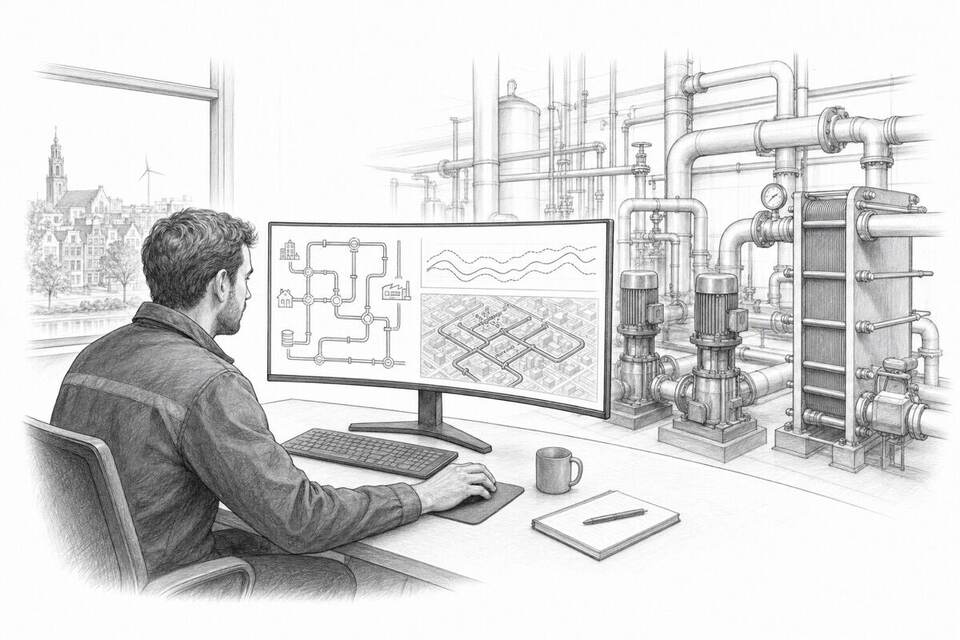
Dutch software uses a digital copy of a district heating network, along with data and AI, to help operate the network more intelligently and efficiently.
Source: AI For Good
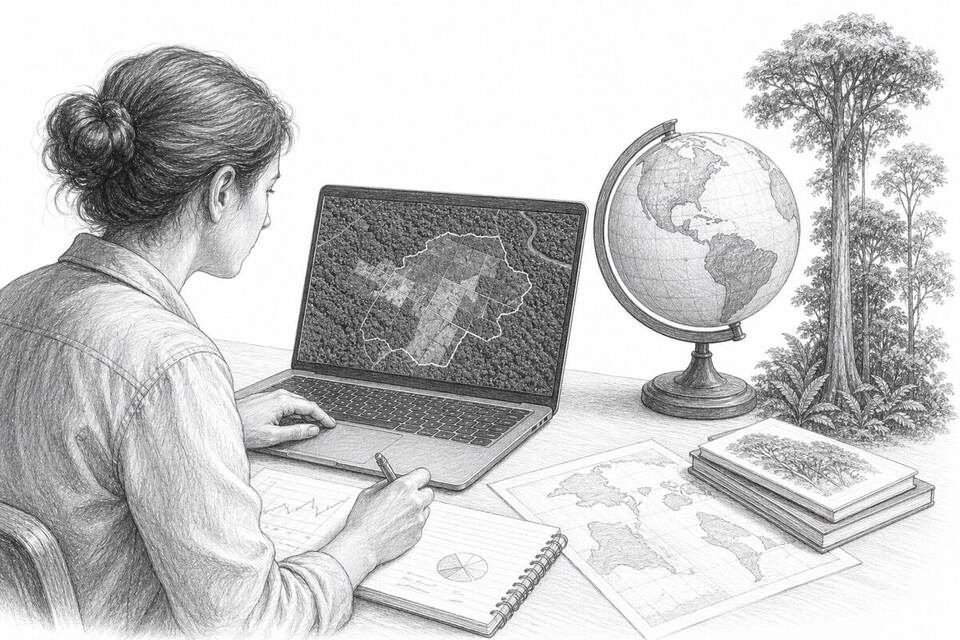
A Utrecht-based service that uses satellite imagery and AI to make deforestation and risks in supply chains visible.
Source: AI For Good
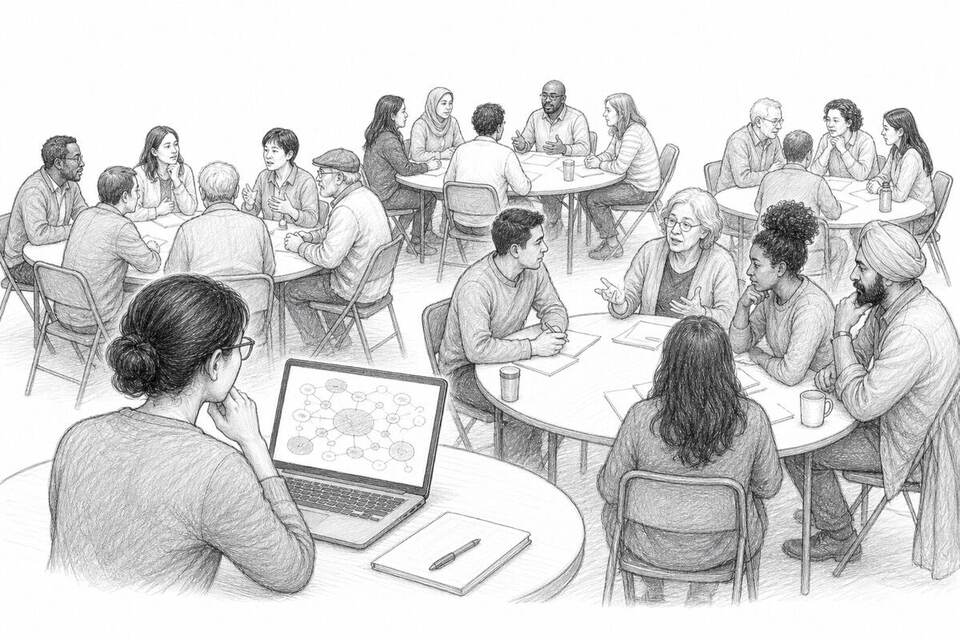
A Dutch participatory platform that uses AI to synthesize many group discussions into traceable summaries, while allowing participants to verify the results.
Source: AI For Good
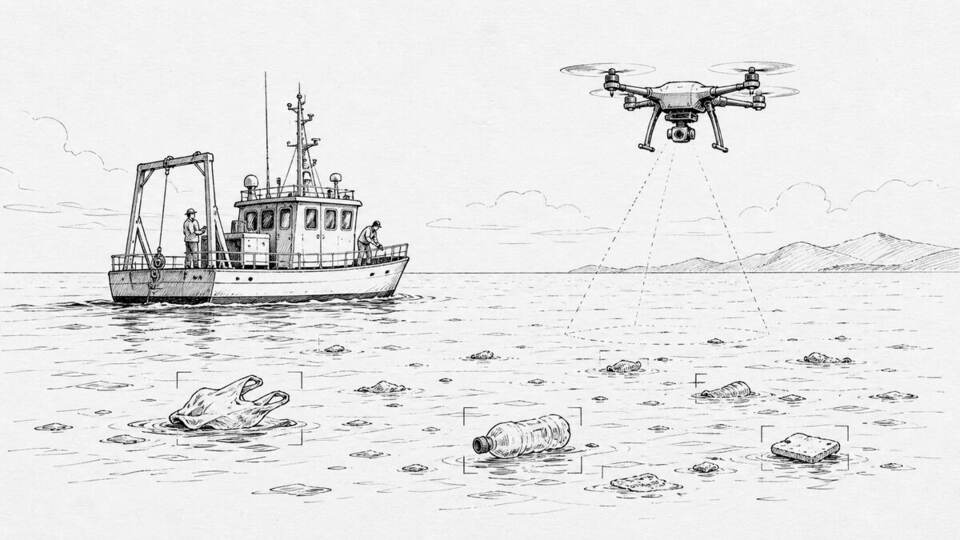
AI cameras on drones and ships help locate plastic pollution so research and cleanup efforts can be targeted more effectively.
Source: AI For Good
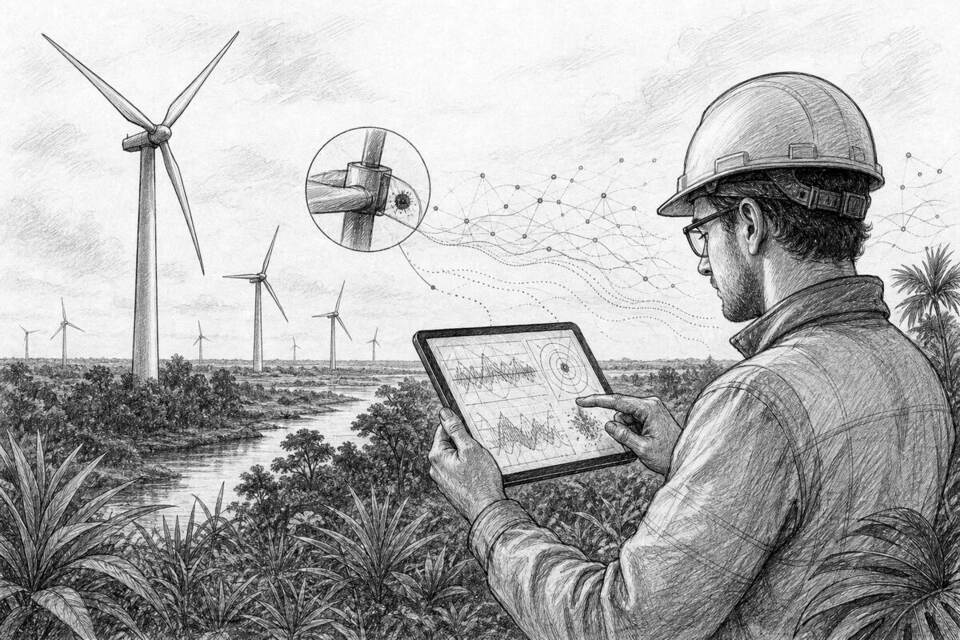
Dutch AI detects hidden performance losses in wind turbines and helps direct maintenance to spots where energy is being lost.
Source: AI For Good
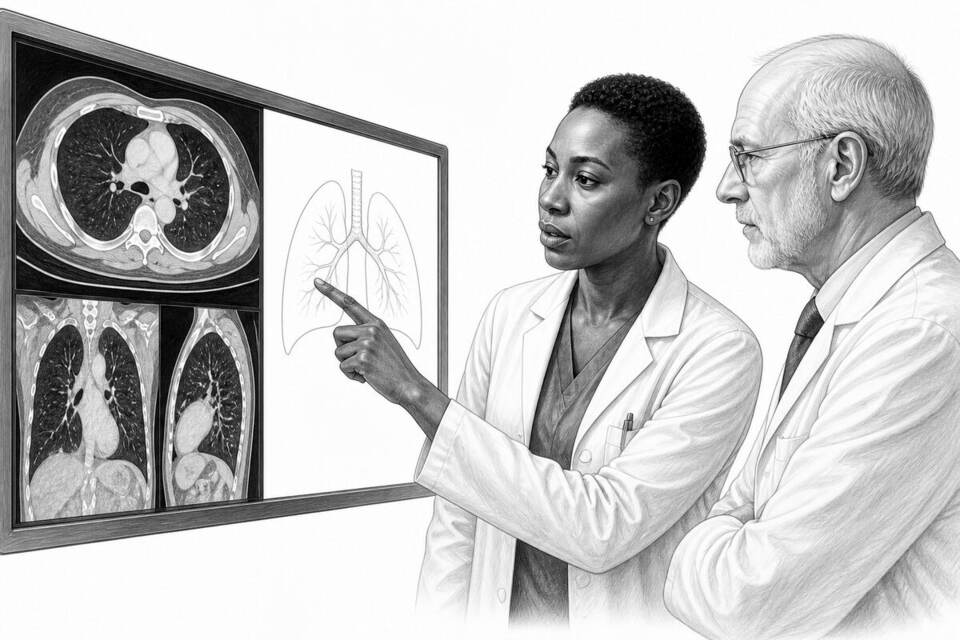
Nijmegen AI analyses chest CT scans and makes lung structures and abnormalities measurable for physicians.
Source: AI For Good
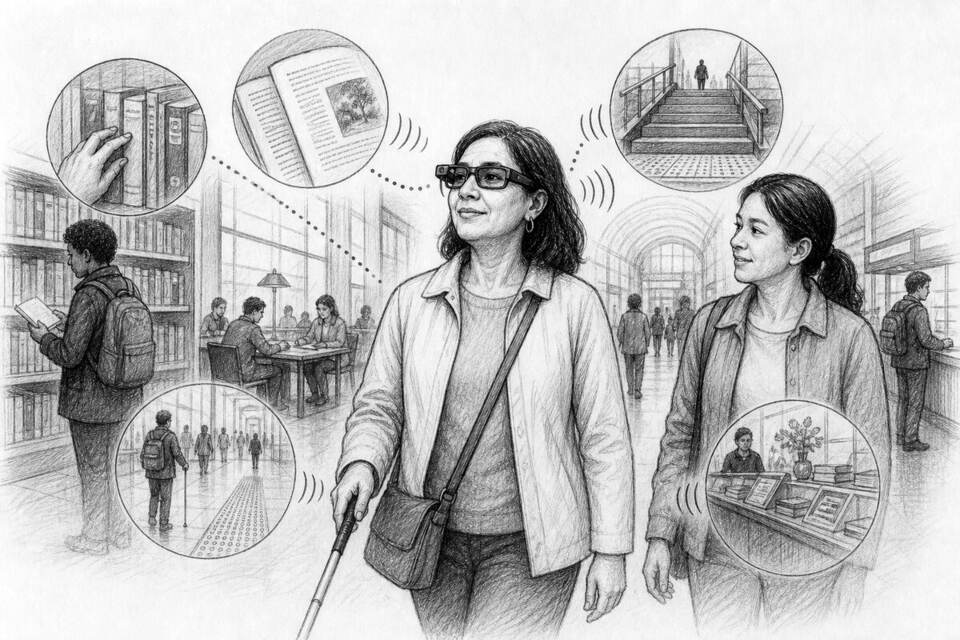
Dutch smart glasses convert text, objects, and other visual information into spoken cues for blind and low-vision users.
Source: AI For Good
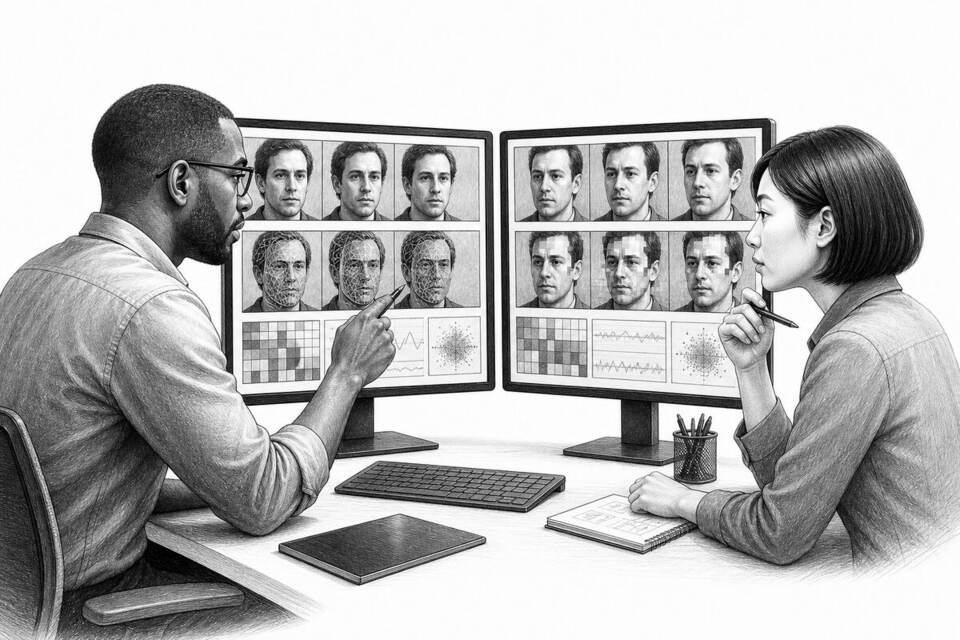
Delft-based AI helps identify manipulated faces and deepfakes during digital identity verification.
Source: AI For Good
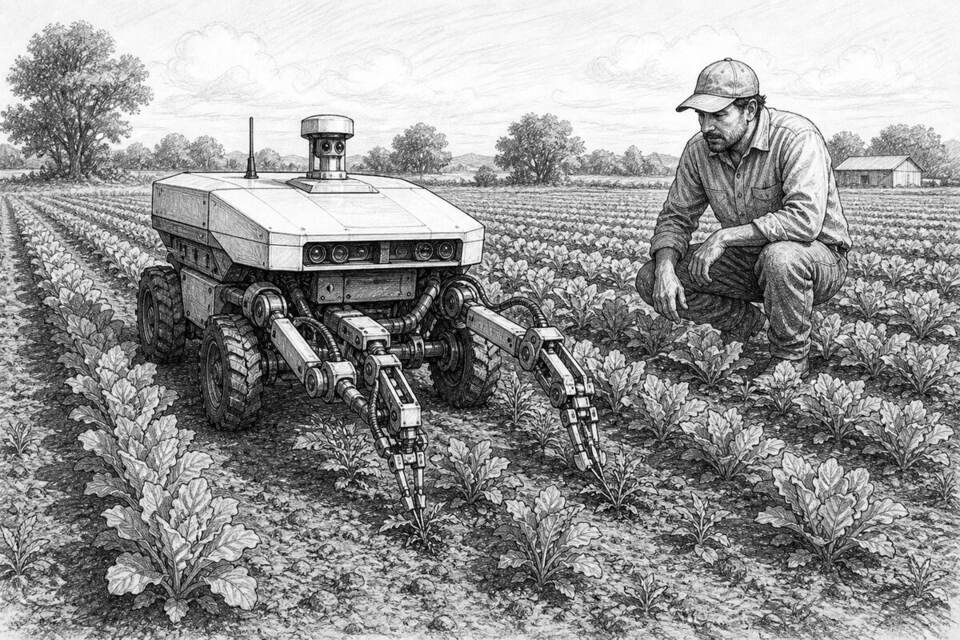
A Dutch field robot uses AI to distinguish crops from weeds and removes the weeds mechanically.
Source: AI For Good
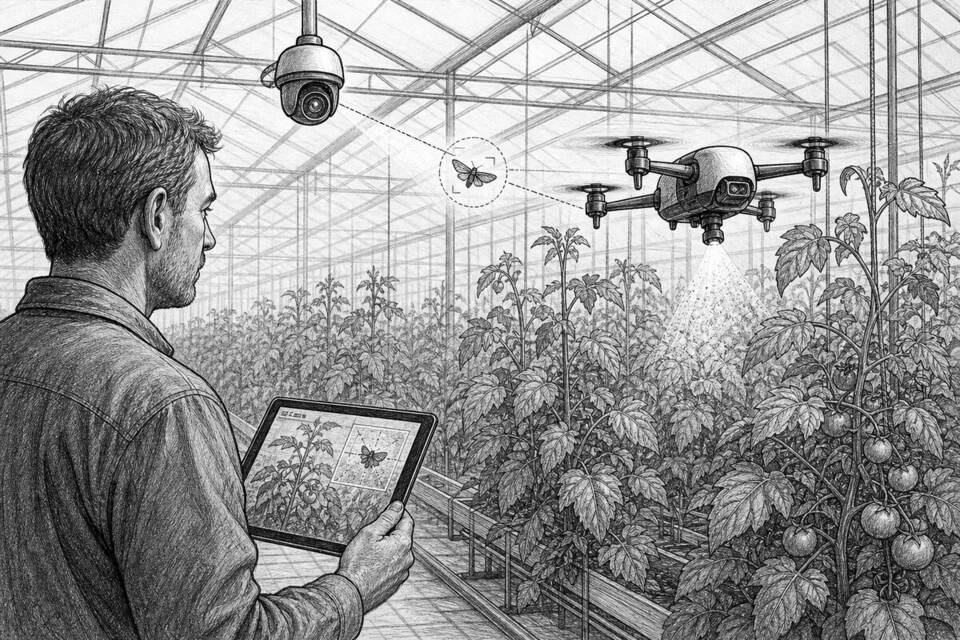
Delft-based AI identifies flying pest insects in greenhouses and supports targeted control using cameras and small drones.
Source: AI For Good
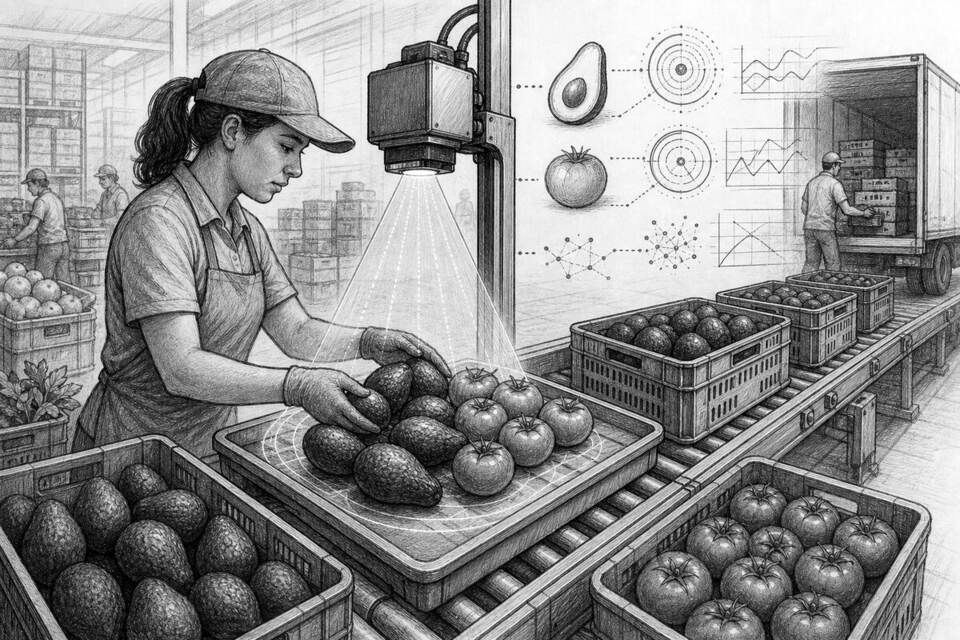
AI scanners from Enschede predict the quality and shelf life of vegetables and fruit to reduce waste in the supply chain.
Source: AI For Good
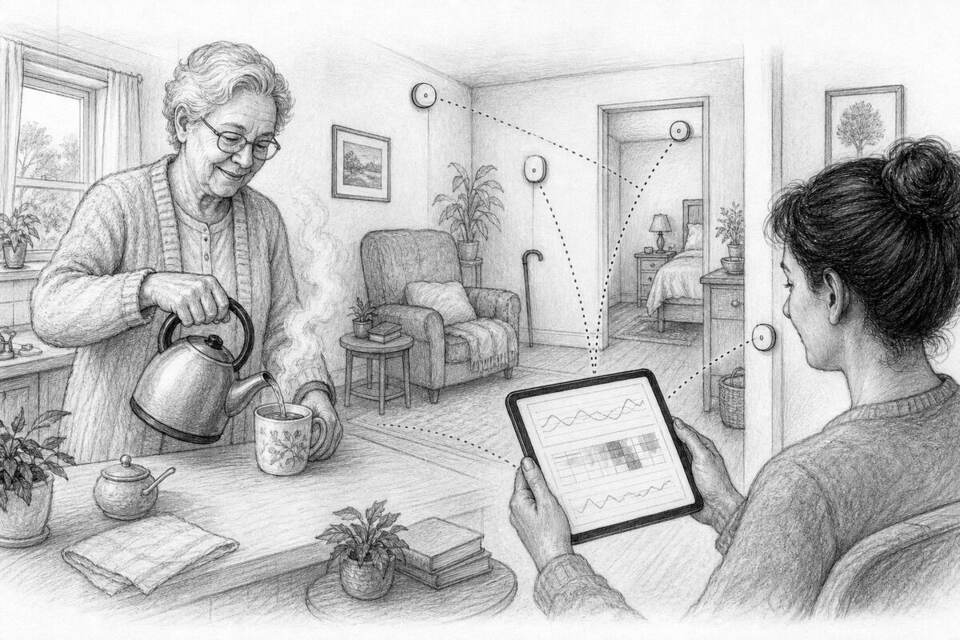
Self-learning sensors detect changes in the daily living patterns of independent-dwelling older adults, enabling care to respond earlier.
Source: AI For Good
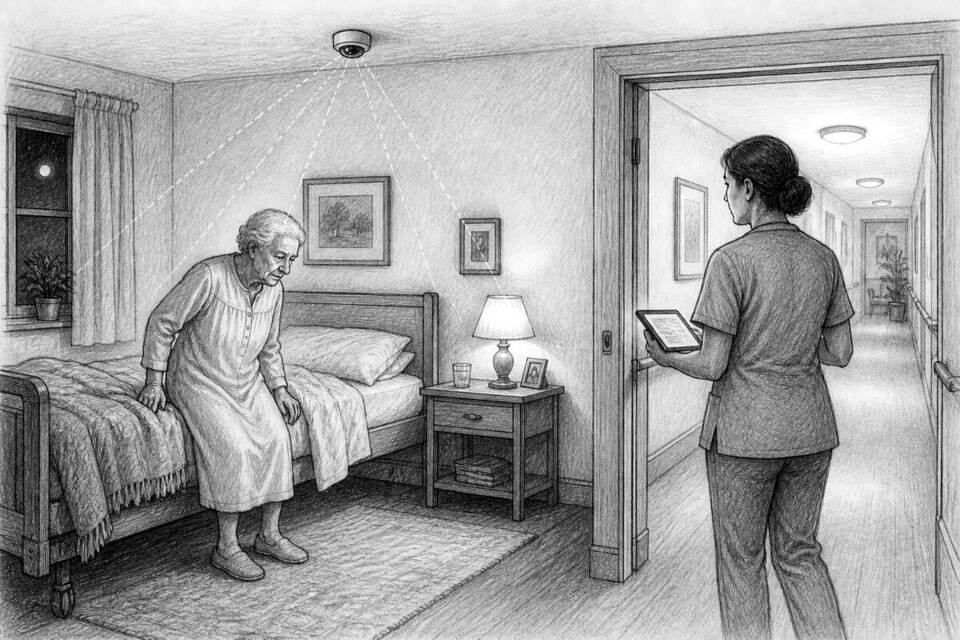
An Amsterdam-based computer vision system detects falls and other unsafe situations in elderly care and alerts care staff.
Source: AI For Good
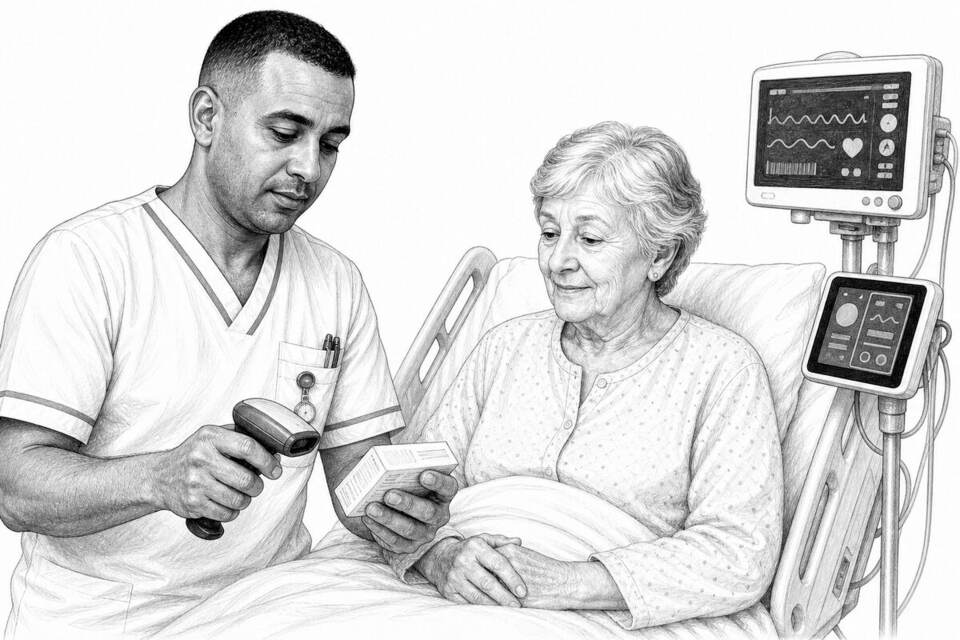
Dutch visual AI verifies that a patient at home or in bed receives the correct medication and dosage.
Source: AI For Good
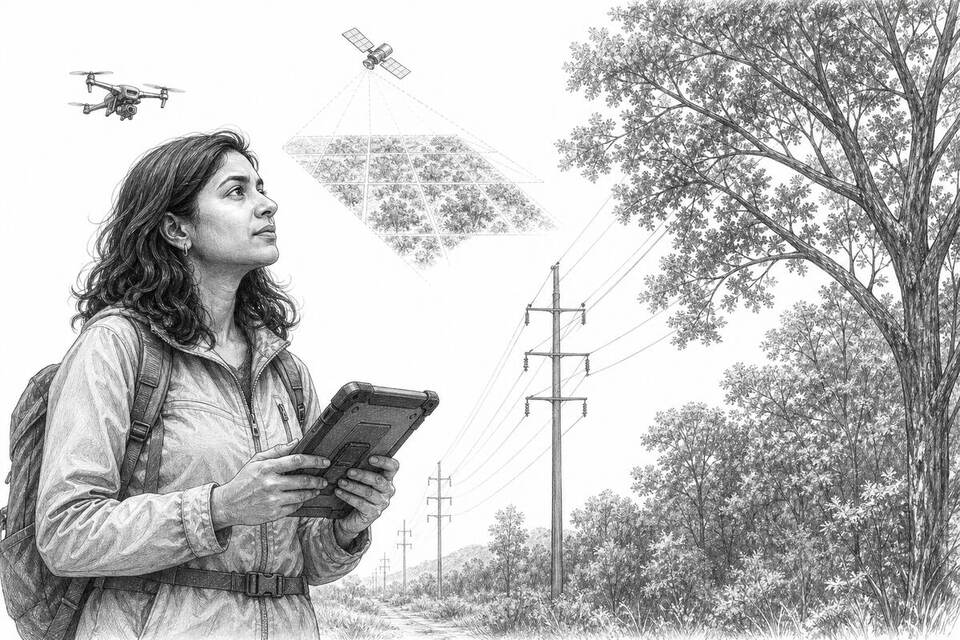
Amsterdam-based AI analyzes satellite imagery to detect tree risks near power lines earlier, reducing outages and wildfire risk.
Source: AI For Good
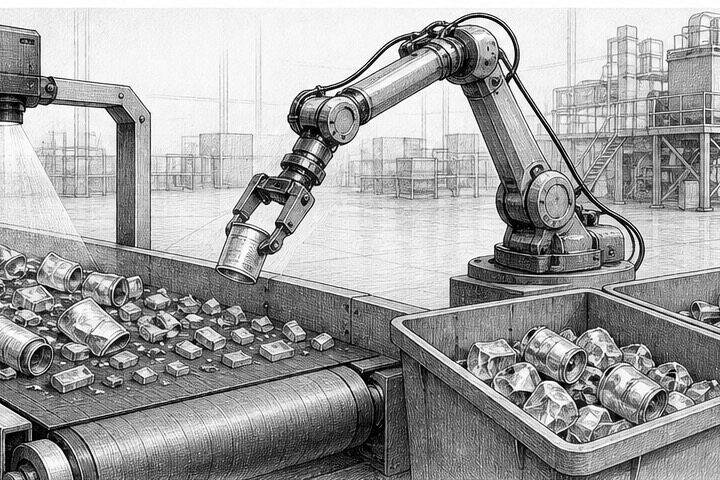
AI and robots sort aluminium scrap by alloy for higher-quality recycling.
Source: AI For Good
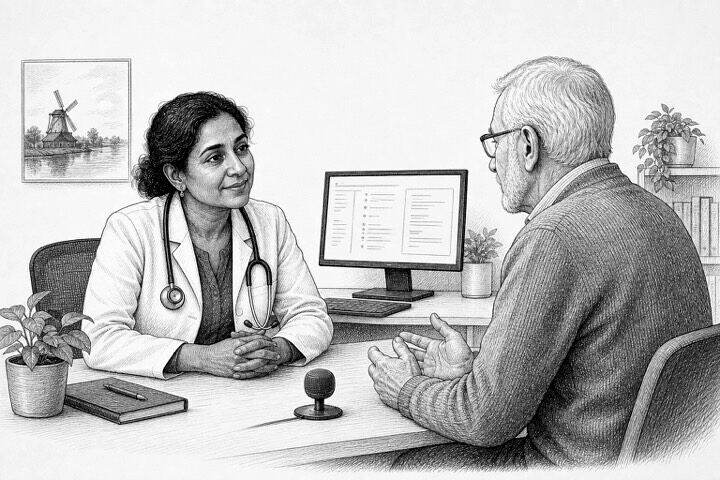
AI documentation that helps care providers update patient records after a consultation.
Source: AI For Good

A social robot guides exercises during rehabilitation and provides professionals with data on progress, without replacing the therapist.
Source: AI For Good

A Finnish chatbot makes health information more findable in Finnish and English and links back to the original sources.
Source: AI For Good

A language model helps translate Basque municipal text into simpler language; a human checks the final version.
Source: AI For Good

A man with partial paralysis operated a robotic arm using a non-invasive system supported by AI.
Source: AI For Good

An AI telephone assistant conducted natural-language conversations with patients after a cataract surgery.
Source: AI For Good

A WHO prototype provided information on health, stress, and quitting smoking 24 hours a day in eight languages.
Source: AI For Good

Full Fact's AI team helps factcheckers search large volumes of statements and publications.
Source: AI For Good

An N=1 study follows how GPT-4 supported a person with routines and questions around hypertension.
Source: AI For Good

A man with ALS used a brain-computer interface for text, speech, and cursor control at home for nearly two years.
Source: AI For Good

After a spinal cord injury, Jaiden Picot walked across the stage wearing a robotic exoskeleton.
Source: AI For Good

A scientist with motor neuron disease used eye-tracking and a stored voice to continue communicating; predictive language technology was part of further development.
Source: AI For Good

Blind piano teacher Claire Bowes uses OrCam MyEye to have text and objects read aloud.
Source: AI For Good

A neural bypass restored partial control over Ian Burkhart's hand and fingers.
Source: AI For Good

A man with paralysis uses a brain-computer interface to control a cursor and digital tools.
Source: AI For Good

After a stroke, Ann trained a system that converts her brain signals into text and a digital avatar.
Source: AI For Good

A small team at the Brian Impact Foundation uses Claude to carefully review many more applications from social innovators.
Source: AI For Good

The creator of Super Teacher uses Claude for exercise materials and guidance for young students.
Source: AI For Good

MagicSchool helps teachers with lesson preparation, feedback, and administrative work.
Source: AI For Good

Rising Academies makes math practice and teacher support accessible through widely used mobile channels.
Source: AI For Good

A math pilot in Laos paired adaptive exercises with regular classroom teaching.
Source: AI For Good

In twelve schools in Sierra Leone, Gemini Guided Learning supported the maths lessons of 1,763 students.
Source: AI For Good

A PhD student with a visual impairment uses ChatGPT to make hard-to-access PDFs easier to use.
Source: AI For Good

A teacher from Rhode Island uses ChatGPT to update teaching materials and create level-appropriate assignments.
Source: AI For Good

Farmers receive plot-specific advice on soil, crops and weather via WhatsApp.
Source: AI For Good

Women farmers receive agricultural advice via text and voice in local languages.
Source: AI For Good

A dairy farmer in Michigan uses Gemini to convert his own business data into a daily margin report.
Source: AI For Good

A farmer in Hokkaido builds tools for broccoli cultivation, field monitoring and multilingual instructions using ChatGPT and Codex.
Source: AI For Good

At GP practice De Enk, doctor Paul Morgenstern and practice support worker Kira Ask Aletta use it for protocols, patient questions, and questions that come up between consultations.
Source: AI For Good

The pathology team at Radboudumc uses Aiosyn to check digitized tissue slides for issues such as blur and folds before assessment.
Source: AI For Good

GP and instructor Paul Houben and curriculum developer Franciska Koens are building KARLA, an AI tutor that lets students practice with realistic patient cases.
Source: AI For Good